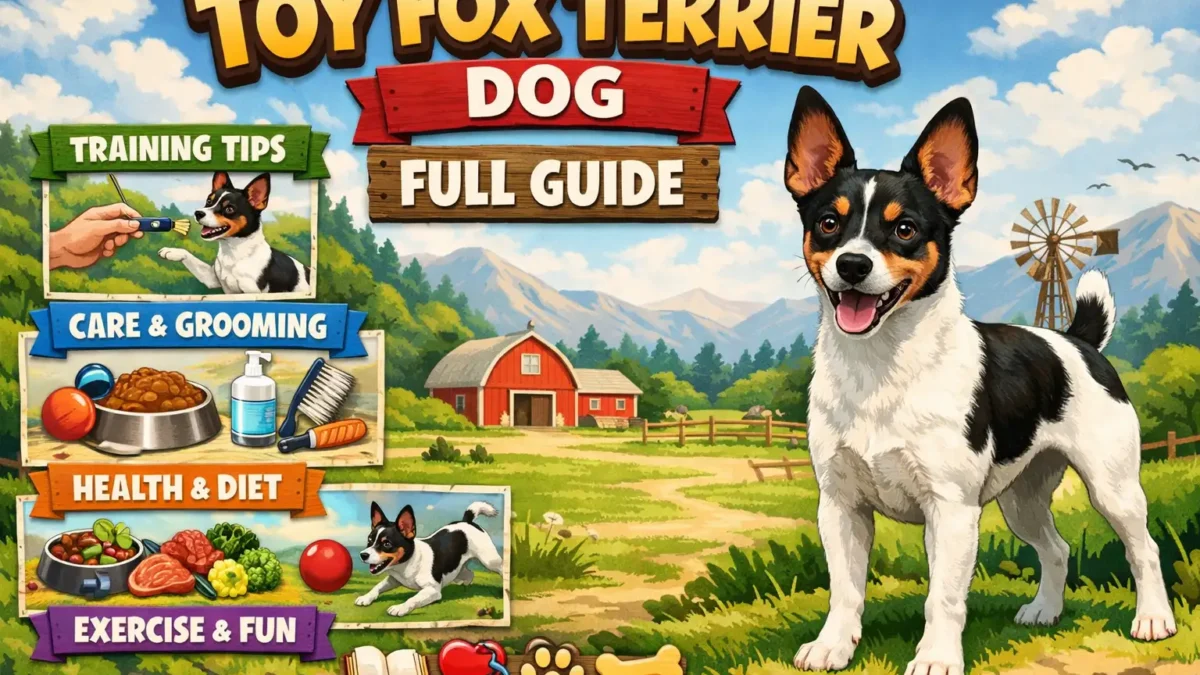
Toy Fox Terrier: Complete Breed Guide, Temperament, Size, and Care
The Toy Fox Terrier is a small but strikingly confident American toy breed, known for combining true terrier drive with a compact, companion-friendly size. Despite being classified as a toy dog, this breed behaves more like a full-sized working terrier—alert, athletic, and intensely engaged with its surroundings. People often underestimate the Toy Fox Terrier based on size alone, but owners quickly learn that this is a bold, intelligent dog that expects to be treated as a capable partner, not a fragile lap ornament.
Before diving deeper into temperament and care, it helps to ground expectations with a clear snapshot of what this breed actually is in everyday terms.
Toy Fox Terrier Quick Facts
| Trait | Details |
|---|---|
| Breed group | Toy |
| Country of origin | United States |
| Height | ~8.5–11.5 inches |
| Weight | ~3.5–7 pounds |
| Build | Fine-boned, athletic, well-balanced |
| Coat type | Short, smooth, close-lying |
| Common colors | White with black, tan, or chocolate markings |
| Average lifespan | ~13–15 years |
| Energy level | High for a toy breed |
The Toy Fox Terrier was developed in the United States in the early 20th century, primarily from Smooth Fox Terriers, with selective crosses to smaller breeds to reduce size while preserving terrier instincts. Farmers valued these dogs as ratters and watchdogs, while households appreciated their compact size and sharp intelligence. Over time, the breed transitioned from farm utility to a dedicated companion role, without losing its working-dog mentality.
Physically, the Toy Fox Terrier is squarely built and surprisingly athletic. The body is lean and muscular rather than delicate, giving the dog a balanced, agile appearance. This structure allows them to move with speed and precision, which becomes obvious during play, training, or even quick bursts of zoomies around the house.
The coat is one of the breed’s most defining features. It is short, smooth, and glossy, lying close to the body with minimal insulation. White is always the dominant base color, paired with clearly defined black, tan, or chocolate markings on the head and body. Because the coat is so fine, the breed’s muscle tone and outline are easy to see, contributing to their clean, elegant look.
Facially, Toy Fox Terriers are instantly recognizable. Large, upright ears give them a permanently alert expression, while dark, intelligent eyes reflect the breed’s curiosity and confidence. The overall look is sharp and expressive, often described by owners as “always switched on.” Even at rest, these dogs appear ready to react, observe, or engage.
In practical terms, this combination of small size and athletic build makes the Toy Fox Terrier highly adaptable to indoor living while still needing regular outlets for movement and stimulation. They fit comfortably into small homes or apartments, but their physical capability means they are far from low-energy or passive.
Toy Fox Terrier Temperament, Personality, and Everyday Behavior
The Toy Fox Terrier may be small, but its personality is anything but. This breed is known for being confident, curious, and full of energy. Many owners say their Toy Fox Terrier acts like a big dog in a tiny body. They are quick thinkers, very aware of their surroundings, and often want to be involved in everything happening at home.
To make this easier to understand at a glance, here is a simple breakdown of their main temperament traits.
Toy Fox Terrier Temperament Traits at a Glance
| Trait | What It Means in Daily Life |
|---|---|
| Intelligence | Learns fast, notices patterns, gets bored easily |
| Energy level | Very active for a toy breed |
| Affection | Loyal and loving with their family |
| Barking | Alert barker, reacts to sounds and movement |
| Confidence | Bold, fearless, sometimes bossy |
| Prey drive | Strong instinct to chase small animals |
| Independence | Can be stubborn if not guided well |
In a family setting, Toy Fox Terriers usually bond very closely with their people. They often pick one favorite person but still enjoy time with the whole household. They like to sit near you, follow you from room to room, and stay involved. This strong bond is one reason many owners describe them as “velcro dogs.”
With strangers, this breed is usually alert and cautious at first. They are not naturally shy, but they like to assess new people before relaxing. Because of this, they make excellent little watchdogs. They will often bark to let you know someone is at the door or walking nearby. Early social time helps keep this alertness from turning into nonstop barking.
Toy Fox Terriers can do well with children, but age and handling matter a lot. They are best suited for homes with older children who understand how to be gentle. Rough grabbing or loud play can make them nervous or defensive, not because they are aggressive, but because they are small and easy to injure.
When it comes to other pets, things depend on the animal. They usually get along fine with other dogs, especially when raised together. Small pets like hamsters, birds, or mice can trigger their hunting instinct. Even friendly Toy Fox Terriers may chase without meaning harm, so supervision is very important in mixed-pet homes.
One thing new owners often notice is how confident and vocal this breed can be. They are quick to express opinions, whether it is excitement, warning, or boredom. This makes them fun and expressive companions, but it also means they need guidance and structure to stay polite.
Overall, the Toy Fox Terrier is best described as smart, bold, loving, and lively. They thrive in homes where their personality is understood and appreciated, not treated as a problem because of their size.
Training, Exercise, and Mental Stimulation Needs
The Toy Fox Terrier is a small dog with a lot of energy and a very active mind. Many people think toy dogs need little exercise, but this breed proves that idea wrong. They need daily movement, play, and learning time to stay happy and calm.
If their needs are ignored, they may bark too much, chew things, or act restless indoors. The good news is that their needs are easy to meet if you are consistent.
Daily Needs Breakdown
| Need | What This Looks Like |
|---|---|
| Daily exercise | 30–45 minutes total |
| Indoor activity | Playtime, games, short training |
| Outdoor activity | Walks, safe running, play |
| Mental stimulation | Puzzle toys, tricks, learning |
| Trainability | High, but can be stubborn |
| Common challenges | Barking, house training, focus |
Most Toy Fox Terriers enjoy short walks, active indoor play, and quick games throughout the day. They do not need long hikes, but they do need regular chances to move their body. A bored Toy Fox Terrier will often create its own fun, which owners usually do not enjoy.
Mental exercise is just as important as physical exercise. This breed is very smart and notices everything. Simple activities like learning new tricks, using food puzzles, or playing hide-and-seek help keep their brain busy. Even five to ten minutes of training can make a big difference.
Training a Toy Fox Terrier is usually fast but not always easy. They learn commands quickly, but they may choose when to listen. This is part of their terrier nature. Short training sessions work best. Praise, treats, and patience go a long way. Harsh methods often make them shut down or push back.
House training can take time, especially because of their small bladder size. Consistent routines, regular potty breaks, and calm praise help a lot. Barking can also become a habit if it is not guided early. Teaching quiet moments and rewarding calm behavior is important.
Overall, Toy Fox Terriers do best in homes where training is seen as a daily habit, not a one-time task. When their body and mind are both exercised, they are joyful, focused, and much easier to live with.
Grooming, Health, and Lifespan Considerations
The Toy Fox Terrier looks easy to care for, and in many ways it is. But “easy” does not mean “no care.” This breed has simple grooming needs, but health care and daily habits matter a lot, especially because of their small size.
The table below gives a quick and clear look at what owners should expect.
Grooming and Health Overview
| Area | What Owners Should Know |
|---|---|
| Shedding | Low to moderate, year-round |
| Brushing | 1–2 times per week |
| Bathing | Only when dirty or smelly |
| Dental care | Very important, brush often |
| Nail care | Nails grow fast, trim regularly |
| Cold sensitivity | High, may need clothes |
| Average lifespan | About 13–15 years |
| Common health concerns | Dental issues, knee problems |
Grooming a Toy Fox Terrier is simple. Their coat is short and smooth, so brushing once or twice a week is usually enough. This helps remove loose hair and keeps the skin healthy. Baths are only needed when they get dirty, since frequent bathing can dry out their skin.
Dental care is one of the most important parts of owning this breed. Like many small dogs, Toy Fox Terriers are prone to tooth problems. Brushing their teeth several times a week can help prevent pain, bad breath, and costly vet visits later.
Nail care is another area owners should not ignore. Because these dogs are light and small, their nails do not wear down easily on their own. Long nails can cause discomfort and affect how they walk, so regular trimming is important.
Toy Fox Terriers are sensitive to cold weather. Their thin coat offers little warmth. In cool or cold climates, many owners use sweaters or jackets during walks. This is not for style—it helps keep the dog comfortable and relaxed.
In terms of health, this breed is generally long-lived and sturdy for its size. Many live well into their teens with good care. Some may develop knee issues or dental problems, which is why regular vet visits and preventive care matter so much.
Overall, Toy Fox Terriers are low-maintenance in grooming but high-value in health attention. Small daily habits make a big difference in how long and how well they live.
Is a Toy Fox Terrier Right for You? Pros, Cons, Costs, and Alternatives
Choosing a dog is a big decision, and the Toy Fox Terrier is not the right match for everyone. This breed can be a wonderful companion for the right person, but it also comes with clear challenges. Looking at both sides helps avoid regret later.
To make this easier to scan, here is a simple pros and cons table.
Toy Fox Terrier Pros and Cons
| Pros | Cons |
|---|---|
| Very smart and quick to learn | Can bark a lot if bored |
| Small size, easy to carry | Needs daily activity and attention |
| Loyal and loving with family | Not ideal for rough young children |
| Low grooming needs | Sensitive to cold weather |
| Good watchdog | Strong prey drive toward small pets |
Toy Fox Terriers often do well in apartments because of their size, but only if their exercise and mental needs are met. They are not couch-only dogs. Short walks, playtime, and training are needed every day. Without this, they may become noisy or restless.
For first-time dog owners, this breed can be a good choice if the owner is patient and willing to learn. Their intelligence helps with training, but their stubborn side can surprise people who expect an “easy” dog just because it is small.
Cost is another important factor. The table below shows a simple cost overview.
Typical Cost to Own a Toy Fox Terrier
| Expense | What to Expect |
|---|---|
| Puppy price | Moderate to high |
| Grooming | Low |
| Food | Low to moderate |
| Vet care | Moderate (dental care adds cost) |
| Clothing (cold weather) | Occasional |
Toy Fox Terriers are usually not expensive to groom, but dental care can add to vet costs over time. Regular checkups and prevention help avoid bigger problems later.
Some people compare the Toy Fox Terrier with other small breeds before deciding. This table helps show the differences.
Toy Fox Terrier vs Similar Small Breeds
| Breed | Energy Level | Barking | Best For |
|---|---|---|---|
| Toy Fox Terrier | High | Medium to high | Active owners who want a smart dog |
| Rat Terrier | High | Medium | Owners wanting a larger terrier |
| Chihuahua | Low to medium | High | Lap-dog lovers |
| Miniature Pinscher | High | Medium | Confident, experienced owners |
A Toy Fox Terrier is a great match for people who enjoy interaction, play, and a dog with personality. It is not a good match for someone wanting a very quiet, low-effort pet.
If you enjoy a small dog that thinks fast, moves fast, and forms a strong bond with you, this breed can be deeply rewarding.
For official breed standards and additional background information, you can also visit the American Kennel Club Toy Fox Terrier breed page, which provides detailed insights into the breed’s history and characteristics: https://www.akc.org/dog-breeds/toy-fox-terrier/