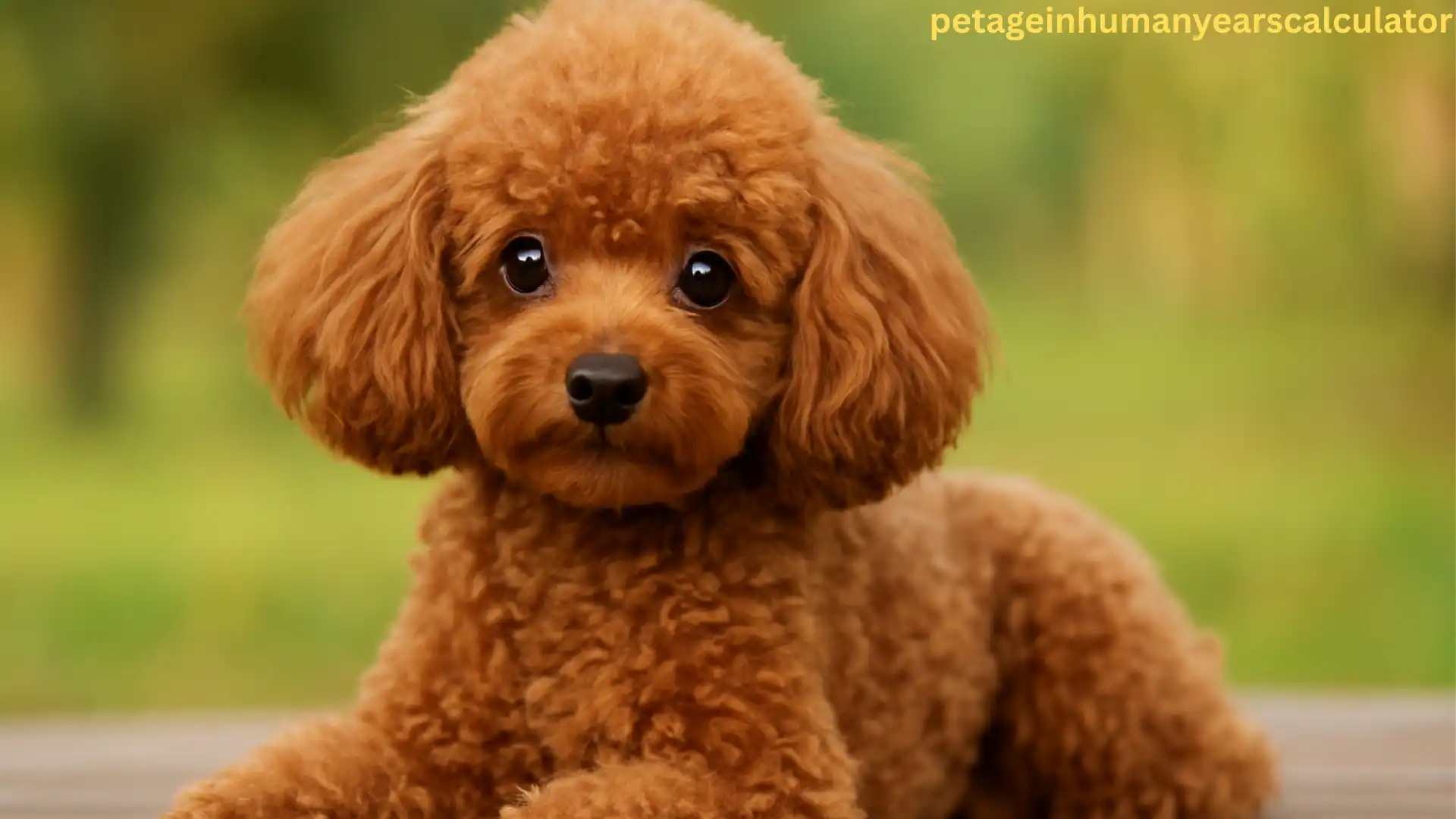
Toy Poodle Dog: History, Temperament, Care Guide, and White Toy Poodle Facts
The Toy Poodle dog is one of the most intelligent, elegant, and people-focused companion dogs in the world. Despite their small size, they are confident, lively, deeply affectionate, and incredibly in tune with their owners’ emotions. They thrive in loving homes, adapt beautifully to apartments or houses, and are equally adored by families, seniors, and first-time dog owners when cared for correctly. What surprises most people is that Toy Poodles are not “delicate ornaments” — they are energetic thinkers who love learning, playing, and staying mentally engaged.
They’re also famously low-shedding thanks to their curly coat, making them a popular choice for people who prefer cleaner homes or worry about allergies (though no dog is truly hypoallergenic). With the right care, socialization, and mental stimulation, a Toy Poodle grows into a confident, affectionate, and incredibly loyal companion that bonds very closely with their family.
Below is a quick, skimmable snapshot of the Toy Poodle to help readers instantly understand the breed at a glance.
Toy Poodle Quick Facts
| Category | Details |
|---|---|
| Breed Group | Toy / Companion Dog |
| Height | Around 9 – 10 inches (23–25 cm) |
| Weight | Typically 4 – 6 lbs (1.8–2.7 kg) |
| Lifespan | 12 – 15+ years |
| Coat Type | Curly, dense, low-shedding |
| Color Options | Includes white, black, apricot, red, brown & more |
| Energy Level | Moderate but mentally active |
| Barking Level | Moderate – can alert bark if unstimulated |
| Intelligence Level | Extremely high (among the smartest breeds) |
| Ideal For | Families, seniors, apartment living, first-time owners |
If you’re looking for a small dog with big personality, impressive intelligence, strong emotional connection, and a long lifespan, the Toy Poodle is truly one of the best companion dogs you can welcome into your life.
History, Appearance and the White Toy Poodle Dog
The Toy Poodle did not start as a fancy house dog. Long ago, Poodles were water dogs used in Europe for hunting and retrieving. Over time, people loved their smart nature and kind personality, so smaller versions were bred. First came the Standard Poodle, then the Miniature, and finally the Toy Poodle, which became a loving family companion and city-friendly pet. Today, Toy Poodles are loved around the world for being small, smart, and full of charm.
When it comes to looks, the Toy Poodle has a small, strong, and square-shaped body. They carry themselves with pride and walk with confidence. Their eyes are bright and alert, and their face often looks “expressive,” like they always know what is going on. Even though they are small, they do not look weak. They look neat, graceful, and very well-balanced.
One of the biggest reasons people love Toy Poodles is their beautiful curly coat. Their coat is thick, soft, and does not shed like most dogs. Many people think Toy Poodles are hypoallergenic. While no dog is 100% allergy-free, Toy Poodles do create fewer loose hairs and may be easier for some allergy sufferers to live with.
There are many beautiful Toy Poodle colors, and one of the most popular is the white Toy Poodle dog. The white Toy Poodle looks elegant and royal. Their white coat can look fluffy, cloud-like, and very eye-catching. But white coats can also need a bit more cleaning, especially around the face and paws, to keep them looking bright and clean.
Here is a simple look at their appearance and size in an easy table.
Toy Poodle Appearance & Size Details
| Feature | Description |
|---|---|
| Height | Around 9 – 10 inches (23–25 cm) |
| Weight | About 4 – 6 lbs (1.8–2.7 kg) |
| Body Shape | Small, square, balanced |
| Coat Type | Curly, thick, low shedding |
| Coat Colors | White, black, apricot, red, brown, cream, silver |
| Grooming Needs | High – regular brushing and professional grooming |
| Overall Look | Elegant, classy, and expressive |
If you love a small dog that looks cute, stylish, and full of personality, the Toy Poodle’s appearance will not disappoint you.
Temperament, Personality and What It’s Like Living With a Toy Poodle
Living with a Toy Poodle is like living with a small, smart best friend. They are very loving dogs and enjoy being close to their family. Many Toy Poodles like to follow their owners around the house and stay nearby. They love attention, cuddles, and praise. They are also very alert, so they quickly notice sounds, people, or changes around them.
Toy Poodles are not just cute; they are extremely smart. They learn new things very fast and enjoy training, games, and challenges. If you give them fun toys and mental activities, they stay happy and calm. But if they get bored or lonely, they may bark, become clingy, or chew things.
They can be great family dogs. With kind and gentle children, they usually do very well. However, very small kids must be careful because Toy Poodles are small and can get hurt easily if handled roughly.
They can also do well in apartments and small homes. They do not need a huge space, but they do need daily exercise and playtime. They are usually friendly with other pets if they are introduced nicely and trained from an early age.
Here is a quick look to understand their behavior at a glance:
Temperament & Living Suitability Snapshot
| Lifestyle / Factor | How Toy Poodles Do |
|---|---|
| Family Homes | Very good, loving family dogs |
| Kids | Good with gentle and respectful children |
| Apartment Living | Excellent, they adapt easily |
| Seniors | Great companions and easy to handle |
| Other Pets | Usually friendly with training |
| Friendliness | Very friendly and social |
| Clinginess | High – they love staying close to owners |
| Barking | Moderate – may alert bark if bored |
If you want a small dog that is loving, smart, playful, and deeply connected to you, a Toy Poodle is a wonderful choice.
Toy Poodle Care, Health, Food, Toys and Harness Needs
Toy Poodles may be small, but they still need good care to stay healthy and happy. They need daily walks, short play sessions, and fun games to keep their brain active. They enjoy learning tricks, playing fetch, or using puzzle toys. This helps them stay calm and prevents boredom.
Because Toy Poodles have a curly coat, they need regular brushing and grooming. Their hair grows like human hair, so they need trimming from a professional groomer. Cleaning ears, brushing teeth, and clipping nails are also important to keep them healthy.
Toy Poodles usually live long lives, often 12 to 15+ years. That means they are long-term family members.
Choosing the right food is important too. Good quality dog food helps them stay active, keep their coat shiny, and maintain a healthy weight. Many owners also prefer using a harness instead of a collar because Toy Poodles have small necks, and a harness is softer and safer during walks.
Toys are also very important for Toy Poodles. Fun chew toys, soft toys, and puzzle toys help them stay busy, think more, and enjoy their day. A happy Toy Poodle is one that gets exercise, love, food, grooming, and playtime.
Here is a simple table to understand their main care needs:
| Care Area | What Toy Poodles Need |
|---|---|
| Daily Exercise | Short daily walks + playtime |
| Mental Stimulation | Puzzle toys, training, learning tricks |
| Grooming | Regular brushing + professional grooming |
| Health Care | Vet checkups and watching for common health issues |
| Food | Good quality small dog food |
| Harness Use | Safer choice for walks than a collar |
With the right care, a Toy Poodle stays healthy, happy, loving, and full of life.
Pros, Cons, FAQs and Final Expert Thoughts
Before getting a Toy Poodle, it is helpful to clearly understand the good sides and the challenging sides of this breed. This helps you make the right decision and keeps both the dog and the owner happy.
Here is a simple, easy table to understand the pros and cons:
| Pros | Cons |
|---|---|
| Loving and very loyal | Needs regular grooming |
| Very smart and easy to train | Can get bored if ignored |
| Great for apartments and small homes | May bark if not mentally active |
| Friendly and social | Fragile around rough kids due to small size |
| Low shedding coat | Professional grooming can be costly |
Simple FAQs
Are Toy Poodles good family dogs?
Yes, they are loving, friendly, and enjoy being part of the family.
Do Toy Poodles bark a lot?
They may bark if bored or lonely, but good exercise and mental games help.
Are Toy Poodles good for apartments?
Yes, they are perfect for small homes and apartments as long as they get walks and playtime.
Do Toy Poodles need a lot of grooming?
Yes, they need brushing at home and regular visits to a professional groomer.
Are Toy Poodles fragile?
They are small, so children must handle them gently.
Are Toy Poodles easy to train?
Yes, they are one of the smartest dogs and learn very quickly.
Final Thoughts
The Toy Poodle is a wonderful dog for families, seniors, first-time owners, and anyone who wants a smart, loving, and joyful companion. They need love, attention, grooming, and playtime, but they give back so much happiness in return. If you want a small dog that feels like a true best friend, the Toy Poodle is an amazing choice.
You can also learn more from official breed standards and trusted expert sources like the American Kennel Club’s Toy Poodle page here: https://www.akc.org/dog-breeds/poodle-toy/