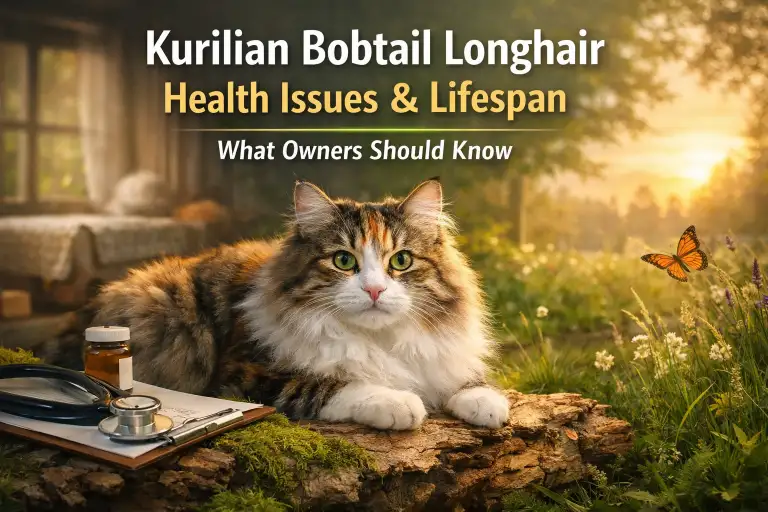
This care guide is written for cat owners who already live with a Kurilian Bobtail Longhair—or are seriously considering bringing one home—and want clear, realistic guidance on how to care for this breed properly. While Kurilian Bobtails are often described as “natural” and hardy cats, the longhaired variety has specific needs that are easy to underestimate, especially when it comes to grooming, activity, and long-term coat health.
A Kurilian Bobtail Longhair combines a dense, semi-long coat with a muscular, athletic body and a highly intelligent, people-oriented personality. These cats are not fragile, but they are hands-on cats. They thrive when owners are involved in daily routines, interactive play, and regular coat maintenance. Skipping care doesn’t just affect appearance—it can lead to matting, discomfort, stress-related behavior changes, and hidden health issues under the fur.
In real life, most owners are surprised by three things:
- How quickly light tangles can turn into painful mats if brushing is inconsistent
- How much mental stimulation this breed needs compared to more sedentary cats
- How strongly coat condition reflects overall health and stress levels
Kurilian Bobtail Longhairs are adaptable and can live happily as indoor-only cats or in secure outdoor-access environments, but their care needs don’t disappear indoors. Indoor cats still shed seasonally, develop hairballs, and require structured play to prevent boredom. In multi-cat households, their confidence and intelligence can be a strength—but only if resources, space, and routines are well managed.
Time-wise, expect to spend:
- A few minutes most days doing quick coat checks or light brushing
- One longer grooming session each week
- Daily interactive play to keep both body and mind engaged
This guide focuses on practical, everyday care: grooming routines that actually work, health signs owners commonly miss, behavior needs that affect coat and stress levels, and mistakes that cause long-term problems. It does not cover breeding, show standards, or product sales. The goal is simple—help you keep your Kurilian Bobtail Longhair comfortable, healthy, and thriving throughout their life.
Grooming & Coat Care for Kurilian Bobtail Longhair
Grooming is the most important part of caring for a Kurilian Bobtail Longhair. Their coat is soft, thick, and semi-long, which means it can tangle and mat if it is ignored. The good news is that with a simple routine, grooming does not have to be hard or stressful for you or your cat.
This breed does not usually mat as fast as some very fluffy cats, but mats can still form, especially behind the ears, under the legs, around the neck ruff, and near the tail. Regular brushing keeps the coat clean, helps reduce shedding, and lowers the risk of hairballs.
How often grooming is needed
| Grooming task | How often | Why it matters |
|---|---|---|
| Light brushing | 2–3 times a week | Removes loose hair and prevents small tangles |
| Full coat check | Once a week | Finds mats early before they become painful |
| Tail and ruff brushing | Once a week | These areas mat faster than others |
| Bathing | Rarely, only if needed | Too many baths dry the skin |
Short, calm grooming sessions work better than long ones. Many owners find that brushing for 5–10 minutes is enough if it is done regularly.
How to brush without stressing your cat
Always start gently. Let your cat sniff the brush first. Begin brushing areas they enjoy, like the back or sides, before moving to sensitive spots. If you find a small tangle, do not pull. Use your fingers or a comb to loosen it slowly.
If your cat walks away, stop. Forcing grooming often makes cats dislike brushing in the future.
Common coat problems and what they mean
| Coat issue | Common reason | What you should do |
|---|---|---|
| Small mats | Skipped brushing | Gently detangle early |
| Heavy shedding | Seasonal coat change | Brush more often for a few weeks |
| Dull or greasy fur | Too many baths or stress | Reduce bathing and check routine |
| Frequent hairballs | Loose fur swallowed | Increase brushing sessions |
Baths are not part of regular care for this breed. Most Kurilian Bobtail Longhairs stay clean on their own. A bath is only helpful if the cat gets very dirty or cannot groom properly due to age or health issues.
Good grooming is not just about looks. It helps you notice skin problems, bumps, weight changes, or sore areas early. Many owners say grooming becomes a bonding time once the cat feels safe and relaxed.
Health, Skin & Veterinary Care Needs
Kurilian Bobtail Longhairs are usually strong and healthy cats, but their thick coat can hide early health problems. This is why regular checks at home are just as important as vet visits. Many issues are easier to treat when they are noticed early.
Your cat’s coat and skin often show the first signs that something is wrong. Changes in fur, grooming habits, or behavior should never be ignored.
What healthy looks like vs warning signs
| Normal signs | Warning signs |
|---|---|
| Smooth, clean coat | Bald spots or thinning fur |
| Seasonal shedding | Sudden heavy hair loss |
| Rare hairballs | Frequent vomiting |
| Clean skin | Red, sore, or flaky skin |
If you notice warning signs that last more than a few days, it is best to call your veterinarian.
Skin and coat health
Long fur can trap dirt, moisture, and parasites. Fleas, ticks, or skin infections may go unnoticed if grooming checks are skipped. While brushing, always look at the skin, not just the fur. Healthy skin should be pale pink and free from sores or strong smells.
Dry skin or dandruff can happen in winter or dry homes. Small flakes are common, but thick dandruff or itching is not normal and needs attention.
Hairballs and digestion
Hairballs are common in longhaired cats, but they should not happen often. Regular brushing removes loose hair before your cat swallows it. If hairballs happen often, or your cat vomits without passing hair, this may point to a stomach problem or blockage.
When to see a vet
| Sign | Why it matters |
|---|---|
| Sudden coat change | Can signal illness or stress |
| Pain during grooming | Possible skin or joint pain |
| Strong odor from coat | Possible infection |
| Cat stops grooming | Often linked to pain or sickness |
Kurilian Bobtails should see a vet at least once a year for checkups. Senior cats may need visits more often. Regular vet care helps catch problems early and keeps your cat comfortable as they age.
Behavior, Exercise & Home Environment
Kurilian Bobtail Longhairs are smart, active, and curious cats. They enjoy being part of daily life and do not like being bored. When their mind and body are busy, they are calmer, happier, and easier to groom.
This breed often follows people around the house, watches what you are doing, and enjoys play that feels like a challenge. If they do not get enough activity, they may become restless, over-groom, or act out.
Daily activity and play needs
Most Kurilian Bobtail Longhairs need at least one or two play sessions every day. Short play times are fine, but they should involve movement and thinking. Wand toys, balls, and puzzle toys work very well for this breed.
Play is not just for fun. It helps:
- Keep muscles strong
- Prevent weight gain
- Reduce stress and boredom
- Improve behavior during grooming
Home setup and environment
These cats love to climb and explore. A flat home with no climbing space can feel boring to them. Adding vertical space helps a lot.
| Home setup | What your cat needs |
|---|---|
| Small apartment | Cat tree, shelves, window perch |
| House | Climbing areas and safe play zones |
| Indoor-only home | Daily play and mental games |
| Multi-cat home | Separate food, litter, and rest areas |
They can live indoors full-time if the home is safe and interesting. Outdoor access should only be allowed in secure areas, like a cat-proof yard or on a leash, to avoid danger.
Living with other cats or pets
Kurilian Bobtails usually get along well with other pets, but they still need their own space. Sharing bowls, litter boxes, or sleeping spots can cause stress. Stress often shows up as behavior changes or coat problems.
Signs your cat may feel stressed:
- Hiding more than usual
- Over-grooming
- Avoiding people or other pets
- Sudden behavior changes
Keeping routines steady and giving each cat their own resources helps prevent these problems.
A calm, active home supports both good behavior and good coat health.
Common Care Mistakes, FAQs & Owner Advice
Many care problems with Kurilian Bobtail Longhairs happen because owners do not know what to avoid. These cats are strong and smart, but small mistakes can slowly lead to stress, coat trouble, or health issues. Learning from common errors can save a lot of time and worry.
Common mistakes and better choices
| Common mistake | Better choice |
|---|---|
| Skipping brushing | Short brushing sessions each week |
| Waiting until mats are big | Fix small tangles early |
| Bathing too often | Bathe only when truly needed |
| Forcing grooming | Stop and try again later |
| Not enough play | Daily interactive play |
Small, regular care is better than long, stressful sessions.
Common questions from owners
| Question | Simple answer |
|---|---|
| Do Kurilian Bobtail Longhairs shed a lot? | Mostly during seasonal changes |
| Do they need regular baths? | No, only rarely |
| Are they easy to groom? | Yes, with a routine |
| Are hairballs normal? | Yes, but not often |
| Can they live indoors only? | Yes, if well stimulated |
Final advice for owners
Caring for a Kurilian Bobtail Longhair does not mean doing everything perfectly. What matters most is consistency. A few minutes of brushing, daily play, and regular health checks make a big difference over time.
Pay attention to changes in your cat’s coat, behavior, and mood. These cats communicate through small signals. When owners listen early, most problems can be prevented before they become serious.
For more expert-backed guidance on feline health, behavior, and grooming standards, you can explore the International Cat Care (ISFM) resources, which are widely used by veterinarians and cat welfare professionals worldwide: https://icatcare.org/

Ata Ur Rehman is the founder of Pet Age in Human Years Calculator, an educational platform that provides age conversion charts and lifespan guides for dogs, cats, birds, and other companion animals. His work focuses on helping pet owners understand how animal ages translate into human years using commonly accepted age conversion formulas and published lifespan averages.
The website compiles breed and species lifespan data from kennel clubs, breed organizations, and general animal lifespan studies to present simple and easy-to-understand guides for pet owners worldwide.
This website was created to centralize animal age conversion charts into one easy reference platform for pet owners.