The cost of owning a Kurilian Bobtail Longhair goes far beyond the initial price of acquiring the cat. While many people focus on adoption or purchase fees, true ownership cost includes years of food, veterinary care, grooming, supplies, enrichment, and financial flexibility for the unexpected. This breed, in particular, is often underestimated in terms of long-term expense because it is frequently described as hardy and low-maintenance.
Cost of ownership should be understood as a lifetime financial commitment, not a single transaction. Kurilian Bobtail Longhairs are generally active, intelligent, and long-lived cats, which means expenses accumulate steadily over time rather than remaining flat. Even when health issues are minimal, routine care and quality daily upkeep still represent a meaningful, recurring budget obligation.
Several breed traits subtly influence cost planning. The long coat requires consistent grooming and maintenance. Their strong build and activity level can increase food consumption compared to smaller or less active cats. Their intelligence and curiosity also tend to raise enrichment and environmental costs, especially for indoor cats who rely on their owners for stimulation.
It’s also important to understand that all cost estimates in this guide are planning ranges, not guarantees. Actual expenses vary based on location, lifestyle choices, household size, and individual cat health. The purpose of this guide is not to discourage ownership, but to help potential owners evaluate whether they can support a Kurilian Bobtail Longhair responsibly and comfortably over the long term.
Thinking about cost upfront is one of the most responsible steps a future owner can take. When financial expectations align with reality, owners are better prepared, stress is reduced, and the cat benefits from more stable, consistent care throughout its life.
One-Time and Initial Costs of Owning a Kurilian Bobtail Longhair
The first costs you face as a Kurilian Bobtail Longhair owner happen before your cat fully settles into your home. These are one-time or early-life expenses that many people underestimate. Planning for them early helps avoid stress during the first few months of ownership.
Some costs are paid only once, while others happen close together at the start. Even when a cat is healthy, the setup phase can be more expensive than expected.
Here are the main one-time and early costs most owners should plan for:
- Adoption or purchase fees, which vary widely depending on where the cat comes from
- Spay or neuter surgery, if it has not already been done
- First veterinary visits, including health checks and basic vaccinations
- Microchipping and identification
- Basic supplies like a litter box, food bowls, bed, carrier, and scratching posts
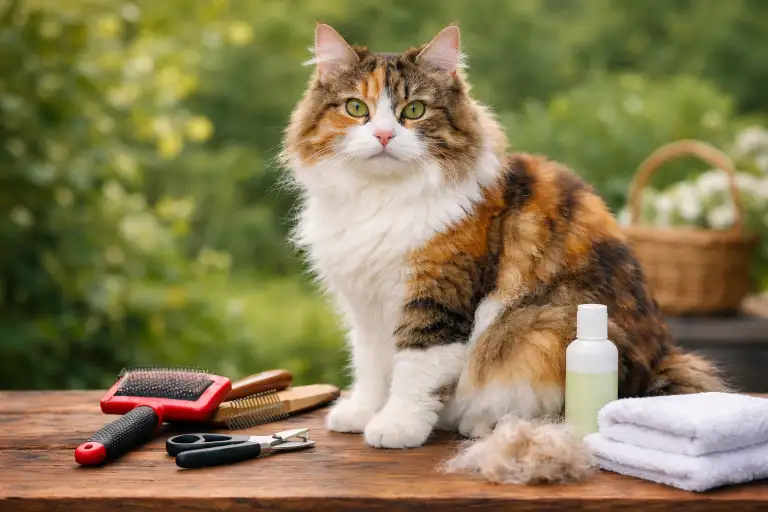
- Grooming tools needed for a long-haired cat
- Toys and enrichment items to prevent boredom in an active breed
For this breed, setup costs can be slightly higher than average. Kurilian Bobtail Longhairs are strong, playful cats, so cheap or low-quality items may wear out quickly and need replacement. Choosing durable supplies from the start often costs more upfront but can save money later.
Many new owners forget to budget for home adjustments. This can include extra scratching surfaces, climbing spaces, or protecting furniture. These are not luxury items for an active cat—they help prevent behavior problems that can become costly over time.
At this stage, the goal is not perfection. It is to create a safe, comfortable space where your cat can eat, sleep, play, and stay healthy during the transition into your home.
Monthly and Annual Ongoing Costs
After the first setup period, the cost of owning a Kurilian Bobtail Longhair becomes a steady, ongoing responsibility. These are the expenses you will pay every month or every year for as long as your cat is part of your life. For most owners, this section represents the largest share of total ownership cost.
The most regular expense is food. An active and well-built cat like the Kurilian Bobtail Longhair often eats more than smaller or less energetic cats. Food quality also matters, as poor nutrition can lead to health problems and higher vet bills later.
Litter is another ongoing cost that adds up over time. Even though each purchase feels small, litter is something you will buy again and again for many years.
Routine veterinary care is usually paid yearly but should be planned for monthly in your budget. This includes wellness checkups, vaccines, and basic preventive care. Even healthy cats need regular vet visits to catch problems early.
Grooming is a regular need for long-haired cats. While you may not need professional grooming often, brushes, combs, and occasional grooming services still come with a cost. Skipping coat care can lead to mats, skin issues, and stress for the cat.
Other ongoing costs include:
- Replacing worn-out toys and scratching items
- Flea, tick, or parasite prevention
- Cleaning supplies for litter areas
- Small home repairs caused by scratching or climbing
Some owners also spend money on enrichment items like puzzle toys or climbing furniture. For intelligent cats, these are not just extras. They help prevent boredom and behavior problems.
The key thing to understand is that these costs are predictable but never zero. Even in a calm year with no health issues, you will still spend money every month to meet your cat’s basic needs.
Unexpected, Emergency, and Long-Term Costs to Plan For
Not all costs of owning a Kurilian Bobtail Longhair are planned. Some expenses appear suddenly and can be stressful if you are not prepared. This is why emergency and long-term planning is an important part of responsible ownership.
Emergency vet visits are one of the biggest surprise costs. Accidents, sudden illness, or unusual behavior can require quick care, tests, or treatment. These visits often cost more than routine checkups and may happen outside normal hours.
As cats get older, costs usually increase. Senior cats often need:
- More frequent vet visits
- Blood tests or monitoring
- Special food or supplements
- Extra grooming help
Even healthy cats tend to need more care as they age. These changes do not happen overnight, but they slowly raise monthly and yearly expenses.
Behavior-related costs can also appear over time. An active and intelligent cat that becomes bored may damage furniture, climb unsafe areas, or develop stress habits. Spending money on enrichment and play early can help avoid these problems later.
Because the Kurilian Bobtail Longhair is a rare breed in many places, access to experienced vets or grooming services may be limited. This can sometimes increase travel time or service costs, especially in emergencies.
Planning does not mean expecting the worst. It means having some financial space so that a sudden problem does not force rushed or difficult decisions. Even a small emergency buffer can make a big difference for both the owner and the cat.
Is the Kurilian Bobtail Longhair Affordable for You?
Deciding if you can afford a Kurilian Bobtail Longhair is not just about money today. It is about whether you can support this cat comfortably for many years. This breed is loving, active, and smart, but it also needs time, attention, and steady spending.
Your lifestyle plays a big role in cost. Indoor cats often need more toys, climbing areas, and playtime to stay happy. Outdoor or mixed-lifestyle cats may have higher vet and safety-related costs. Neither option is cheaper in every case; the costs are just different.
Household size also matters. A single-cat home may spend more on human time and enrichment. A multi-cat home may save on some shared items but spend more on food, litter, and vet care overall.
Think honestly about your budget. Ask yourself:
- Can I handle monthly costs without stress?
- Do I have room in my budget for emergencies?
- Can I afford higher costs as my cat gets older?
- Am I able to adjust if my income changes?
Many first-time owners make the mistake of focusing only on the early costs. The real test is whether the ongoing and long-term costs fit into your life without cutting corners on care.
If you plan ahead, keep a simple budget, and understand the responsibilities involved, owning a Kurilian Bobtail Longhair can be a rewarding experience. If the costs feel overwhelming now, it may be better to wait until your situation is more stable.
For general guidance on responsible cat care and long-term ownership planning, you can also review the ASPCA’s overview of the costs and responsibilities of owning a cat here: https://www.aspca.org/pet-care/cat-care/general-cat-care.

Ata Ur Rehman is the founder of Pet Age in Human Years Calculator, an educational platform that provides age conversion charts and lifespan guides for dogs, cats, birds, and other companion animals. His work focuses on helping pet owners understand how animal ages translate into human years using commonly accepted age conversion formulas and published lifespan averages.
The website compiles breed and species lifespan data from kennel clubs, breed organizations, and general animal lifespan studies to present simple and easy-to-understand guides for pet owners worldwide.
This website was created to centralize animal age conversion charts into one easy reference platform for pet owners.