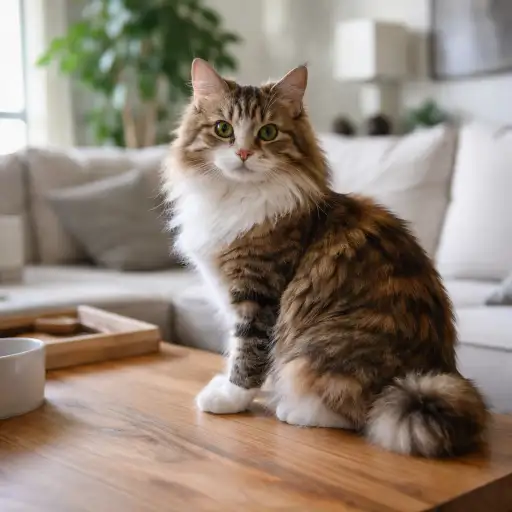
Bringing home a Kurilian Bobtail Longhair kitten is exciting—but it’s also normal to feel unsure about what’s actually normal kitten behavior. These early weeks are a period of fast growth, big personality changes, and lots of trial and error for both you and your kitten.
Kurilian Bobtail Longhair kittens are typically curious, people-oriented, and surprisingly confident for their size. Many new owners worry they’re “too energetic,” “too clingy,” or “too independent,” when in reality, most of what you’re seeing is healthy kitten development. Kittens are learning how their bodies work, how humans respond, and how to interact with the world—and that learning can look messy.
One important thing to remember: kittens are not tiny adult cats. Their needs, attention span, and behavior change quickly over the first several months. Understanding these stages helps you respond calmly instead of reacting with worry.
Kurilian Bobtail Longhair Kitten Development Overview
| Kitten Age | What You’ll Commonly See | What You Should Focus On |
|---|---|---|
| 8–12 weeks | Short bursts of intense play, frequent naps, curiosity mixed with caution | Creating a safe space, gentle handling, establishing routines |
| 3–4 months | Increased confidence, climbing, testing boundaries, playful biting | Consistent playtime, redirecting scratching and biting, patience |
| 5–6 months | Stronger coordination, more independence, longer play sessions | Mental stimulation, regular routines, reinforcing trust |
| 6+ months | Early adolescence, mood shifts, selective listening | Continued structure, calm responses, realistic expectations |
If your kitten seems fearless one moment and shy the next, that’s normal. If they race around the house at night but sleep most of the day, that’s also normal. These ups and downs don’t mean you’re doing something wrong—they mean your kitten is growing.
The goal at this stage isn’t perfect behavior. It’s helping your kitten feel safe, understood, and gently guided as they figure out the world. Once you understand what’s typical for their age, kitten care becomes far less stressful—and much more enjoyable.
Preparing Your Home & Daily Routine for a Kitten
Before your Kurilian Bobtail Longhair kitten fully settles in, your home should feel safe, calm, and easy to explore. You don’t need a perfect setup. You just need a few smart basics that help your kitten feel secure.
Start by choosing one quiet area as your kitten’s main space for the first few days. This could be a bedroom or a small corner of the living room. Place their bed, food, water, and litter box here so they can find everything without stress. Too much space too soon can confuse young kittens.
Look around your home from a kitten’s point of view. Small objects, loose strings, cords, and open windows can all become problems. If something looks tempting to chew, climb, or knock over, it probably is. A little kitten-proofing early can prevent accidents later.
Kittens sleep a lot, but not all at once. They usually sleep in short naps between play times. This is why having a simple daily routine helps so much. When play, food, and rest happen around the same times each day, kittens feel more relaxed and behave better.
A Simple Daily Routine for a Young Kitten
| Time of Day | What Your Kitten Usually Needs |
|---|---|
| Morning | Food, fresh water, short play session |
| Midday | Sleep, quiet time, litter box use |
| Afternoon | Play, exploring, gentle interaction |
| Evening | Food, longer playtime, calm bonding |
| Night | Wind-down play, then sleep |
You don’t need to follow this schedule exactly. It’s just a guide to show how a kitten’s day flows. If your kitten seems extra playful at night, adding more play in the evening can help them settle down.
A prepared home and a loose routine don’t just make life easier for you. They help your kitten feel safe, confident, and ready to bond with you.
Feeding, Litter Training & Everyday Care Basics
Daily care is where many new kitten owners feel unsure, but it doesn’t need to be hard. Once the basics are in place, most kittens adjust very quickly.
Kittens need to eat more often than adult cats because they are growing fast. It’s normal for a young Kurilian Bobtail Longhair kitten to ask for food several times a day. Try to feed your kitten at the same times each day so they feel secure and know what to expect. Always keep clean, fresh water available.
Litter training usually comes naturally. Place your kitten in the litter box after meals and naps, and let them explore. If accidents happen, stay calm. Punishing a kitten only causes fear and confusion. Make sure the litter box is easy to reach and kept clean. A dirty box is one of the most common reasons kittens avoid it.
Because this breed has a longer coat, gentle grooming should start early. Short brushing sessions help your kitten get used to being handled and prevent tangles later. Keep these moments calm and positive. If your kitten wiggles away, try again another day.
Everyday Care at a Glance
| Care Area | What to Keep in Mind |
|---|---|
| Feeding | Small meals, same times each day |
| Water | Fresh and clean at all times |
| Litter | Easy access, cleaned often |
| Grooming | Short, gentle brushing sessions |
| Handling | Soft touches, stop if kitten resists |
Mistakes are part of learning. Missing a brushing day or dealing with a litter accident doesn’t mean you’re failing. It just means you and your kitten are still learning together.
Socialization, Play & Common Kitten Challenges
Play and social time are very important for your Kurilian Bobtail Longhair kitten. This is how they learn confidence, trust, and good behavior. Kittens that play and interact every day usually grow into calmer, happier cats.
Use toys to play instead of your hands. This helps your kitten learn that hands are for gentle touch, not biting. If your kitten bites or scratches during play, stop the game for a moment and redirect them to a toy. This is normal kitten behavior, not bad behavior.
Kittens have a lot of energy. Short play sessions a few times a day are better than one long session. Climbing, chasing, and jumping are natural and healthy. Giving your kitten safe ways to play can prevent boredom and unwanted behavior.
Socialization also means helping your kitten get used to normal home sounds, new people, and gentle handling. Let your kitten approach new things at their own pace. Never force them to be held or touched if they are scared.
Some common challenges new owners worry about include:
- Play biting and scratching
- Zooming around the house suddenly
- Ignoring you one moment and following you the next
All of these are normal. These phases pass with time, patience, and steady routines.
The most important thing is to stay calm. Your kitten looks to you for safety. Gentle guidance works much better than punishment.
Health Basics, First Vet Visits & Owner Reassurance
Keeping your Kurilian Bobtail Longhair kitten healthy does not mean worrying all the time. Most kittens grow well with simple care, good food, and regular checkups.
A first vet visit usually happens soon after you bring your kitten home. This visit helps the vet get to know your kitten and answer your questions. It’s also a good time to talk about growth, behavior, and general care. You don’t need to prepare much—just bring your kitten in a safe carrier and stay calm.
At home, watch how your kitten eats, sleeps, plays, and uses the litter box. These daily habits tell you a lot. A healthy kitten is curious, playful, and active, with plenty of naps in between. Small changes for a day or two are normal, especially in a new home.
If something feels off or worries you, it’s okay to ask for advice. You are not expected to know everything right away. Learning as you go is part of being a good kitten owner.
Most importantly, remember this: there is no perfect kitten parent. What matters most is patience, kindness, and consistency. Your kitten doesn’t need perfection—they need safety, care, and love.
If you’d like more general guidance on raising a healthy kitten, the ASPCA’s kitten care resources offer clear, beginner-friendly information you can trust:
https://www.aspca.org/pet-care/cat-care/general-cat-care

Ata Ur Rehman is the founder of Pet Age in Human Years Calculator, an educational platform that provides age conversion charts and lifespan guides for dogs, cats, birds, and other companion animals. His work focuses on helping pet owners understand how animal ages translate into human years using commonly accepted age conversion formulas and published lifespan averages.
The website compiles breed and species lifespan data from kennel clubs, breed organizations, and general animal lifespan studies to present simple and easy-to-understand guides for pet owners worldwide.
This website was created to centralize animal age conversion charts into one easy reference platform for pet owners.