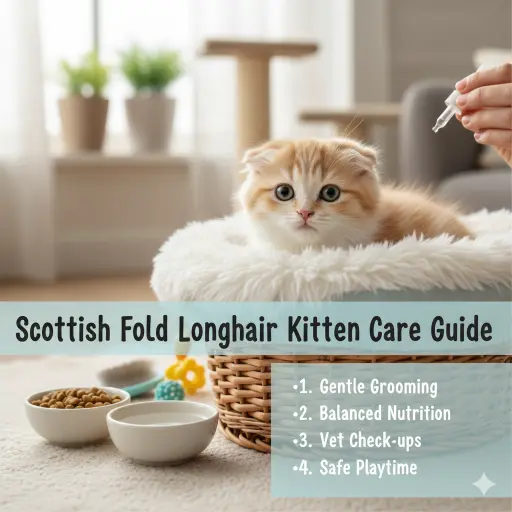
Bringing home a Scottish Fold Longhair kitten is an exciting experience. These kittens are known for their soft, long fur and their gentle, affectionate personalities. Unlike other kittens, they often enjoy calm attention and can form very close bonds with their owners. Understanding their unique traits early can help you provide the right care and prevent common stress points.
Scottish Fold Longhairs have distinctive folded ears, which gives them a sweet, owl-like appearance. This breed is known for being playful but not overly energetic, making them suitable for families or people living in smaller spaces. Their long fur adds an extra layer of beauty, but it also requires extra care to prevent tangles and mats. Knowing what to expect will make raising a kitten much smoother.
Kittens grow quickly, and their needs change almost every week during the first months. From feeding schedules to socialization and grooming, keeping track of their development helps ensure they stay healthy and happy. Scottish Fold Longhairs can also be sensitive, so gentle handling and a calm environment are very important.
By understanding your kitten’s personality and natural behaviors, you can create a nurturing home that supports both their physical and emotional development. You will notice that Scottish Fold Longhairs often seek comfort and warmth, enjoy being near you, and respond well to soft talking and gentle petting.
Daily Care Essentials
Feeding your Scottish Fold Longhair kitten the right food at the right time is one of the most important parts of daily care. Kittens need a diet rich in protein and fat to support their rapid growth. You can feed a mix of wet and dry food, making sure it is formulated specifically for kittens. Always provide fresh water, as hydration is essential for overall health.
Kittens are very playful and energetic, especially in short bursts. Giving them toys, climbing areas, and safe spaces to explore will keep them active and prevent boredom. At the same time, it is important to allow plenty of rest. Kittens sleep a lot—sometimes up to 18 hours a day—and this rest is critical for growth and brain development.
Routine is helpful for both you and your kitten. Feeding at consistent times, scheduling play sessions, and setting aside quiet time can make your kitten feel safe and secure. Scottish Fold Longhairs respond well to predictable daily patterns, which helps them adjust more quickly to a new home.
Kittens also need mental stimulation. Simple activities like puzzle toys, small balls, or gentle games of chase can keep your kitten engaged. Social interaction with you is just as important, so combine play with gentle petting and cuddles to build trust and attachment.
Sample Daily Care Schedule for Scottish Fold Longhair Kittens
| Time of Day | Activity | Notes |
|---|---|---|
| Morning | Feed wet food | Fresh water nearby |
| Late Morning | Short play session (10–15 mins) | Use safe toys, avoid hands as toys |
| Afternoon | Nap / rest | Provide cozy bed or blanket |
| Early Evening | Feed dry food | Check water intake |
| Evening | Grooming or brushing | Short, gentle sessions |
| Night | Quiet time / cuddle | Helps with bonding |
Grooming & Hygiene Simplified
Longhair kittens require regular grooming to keep their coats clean and tangle-free. Brushing at least a few times a week prevents mats from forming and helps reduce shedding. Start slowly when your kitten is very young so they get used to the process. Scottish Fold Longhairs usually tolerate brushing well if introduced gently.
Apart from brushing, nails should be checked weekly. Short, smooth nails prevent accidental scratches to people and furniture. Kittens may need help learning how to trim, so using a proper kitten nail trimmer and offering treats after each session encourages cooperation.
Ear and dental care is also important. Their folded ears can trap dirt, so a soft cloth or cotton ball can gently wipe the outer ear. Dental hygiene can start early by offering kitten-safe dental treats or gently rubbing their gums with a soft cloth to get them used to oral care. These small habits can prevent larger problems later.
Bathing is rarely needed unless your kitten gets into something particularly messy. When you do bathe your kitten, use warm water and kitten-specific shampoo. Keep sessions short and calm, and dry them carefully afterward. Grooming sessions are a chance to bond, so talk softly and handle your kitten gently throughout.
Grooming Routine for Scottish Fold Longhair Kittens
| Task | Frequency | Notes |
|---|---|---|
| Brushing | 3–4 times per week | More during shedding |
| Nail trimming | Weekly | Shorten only tips, avoid quick |
| Ear cleaning | Weekly | Soft cloth or cotton ball, gentle |
| Bathing | Occasionally | Only if dirty, use kitten-safe shampoo |
| Dental care | 2–3 times per week | Gentle rub or dental treats |
Training, Socialization & Behavior
Litter training is usually easy for Scottish Fold Longhair kittens because they naturally like cleanliness. Start by placing your kitten in the litter box after meals and naps. Use a shallow box with kitten-friendly litter. Praise and gentle petting help reinforce the habit. Accidents happen—stay calm and avoid scolding, as kittens learn best with positive reinforcement.
Socialization is equally important. Expose your kitten gradually to new people, pets, and different sounds in a controlled way. Scottish Fold Longhairs are naturally calm, but sudden changes can make them nervous. Gentle introductions and soft reassurance help them adjust confidently.
Kittens may play rough at times, using their teeth and claws. This is normal, but you can redirect their energy to toys and scratching posts. Never punish your kitten physically. Instead, teach acceptable behavior through consistent guidance and redirection.
Understanding normal versus concerning behavior is critical for peace of mind. Scottish Fold Longhairs may hide when scared, meow softly for attention, or explore at their own pace. Rapid changes in appetite, energy, or litter habits may require vet attention, but small mood swings and bursts of energy are usually normal kitten behavior.
Scottish Fold Longhair Kitten Behavior Guide
| Behavior | Normal / Expected? | Owner Tip |
|---|---|---|
| Biting during play | Normal | Redirect to toys |
| Sleeping 16–18 hours | Normal | Allow quiet spaces |
| Hiding in corners | Normal | Let them come out on their own |
| Aggression towards humans | Concerning if persistent | Seek vet advice if sudden |
| Excessive meowing | Normal at attention-seeking | Respond gently, don’t overreact |
Safety, Health Basics & Vet Prep
Keeping your kitten safe at home is a top priority. Remove hazards such as cords, small objects, and toxic plants. Make sure windows and balconies are secure. Scottish Fold Longhairs may be a little clumsier due to their folded ears and compact body, so cushioned spaces and soft surfaces reduce risk of injury.
Regular vet visits start early. The first checkup confirms overall health and discusses future vaccinations and deworming. While you shouldn’t self-diagnose, observing your kitten’s weight, appetite, and activity can help you notice small issues before they become bigger problems.
Prevent accidents by monitoring playtime and creating kitten-safe zones. Use scratching posts, toys, and elevated beds safely. Scottish Fold Longhairs may enjoy climbing, so sturdy furniture and supervised exploration help keep them safe while encouraging natural behavior.
Finally, be aware of general wellness signs. Healthy kittens are active, curious, and eat consistently. If your kitten seems unusually lethargic, refuses food, or has trouble with litter habits, contact your veterinarian promptly. Calm observation is often enough for new owners to ensure their kitten thrives.
Safety & Health Checklist
| Task | Frequency | Notes |
|---|---|---|
| Kitten-proofing home | One-time setup | Reassess as kitten grows |
| Vet checkup | First at 8–12 wks | Schedule follow-ups as recommended |
| Monitor eating & water intake | Daily | Ensure consistency |
| Observe play & sleep patterns | Daily | Note changes |
| Check litter box habits | Daily | Accidents are normal at first |
Scottish Fold Longhair kittens are loving, gentle, and a joy to raise when their needs are met consistently. By following daily care routines, grooming practices, socialization strategies, and safety tips, you can help your kitten grow into a healthy, happy cat. Remember, each kitten develops at its own pace, so patience and gentle guidance are key. Enjoy the journey, and know that the effort you put in now pays off with years of affection and companionship.
For more detailed advice on cat care, visit The Humane Society Cat Care Guide.

Ata Ur Rehman is the founder of Pet Age in Human Years Calculator, an educational platform that provides age conversion charts and lifespan guides for dogs, cats, birds, and other companion animals. His work focuses on helping pet owners understand how animal ages translate into human years using commonly accepted age conversion formulas and published lifespan averages.
The website compiles breed and species lifespan data from kennel clubs, breed organizations, and general animal lifespan studies to present simple and easy-to-understand guides for pet owners worldwide.
This website was created to centralize animal age conversion charts into one easy reference platform for pet owners.