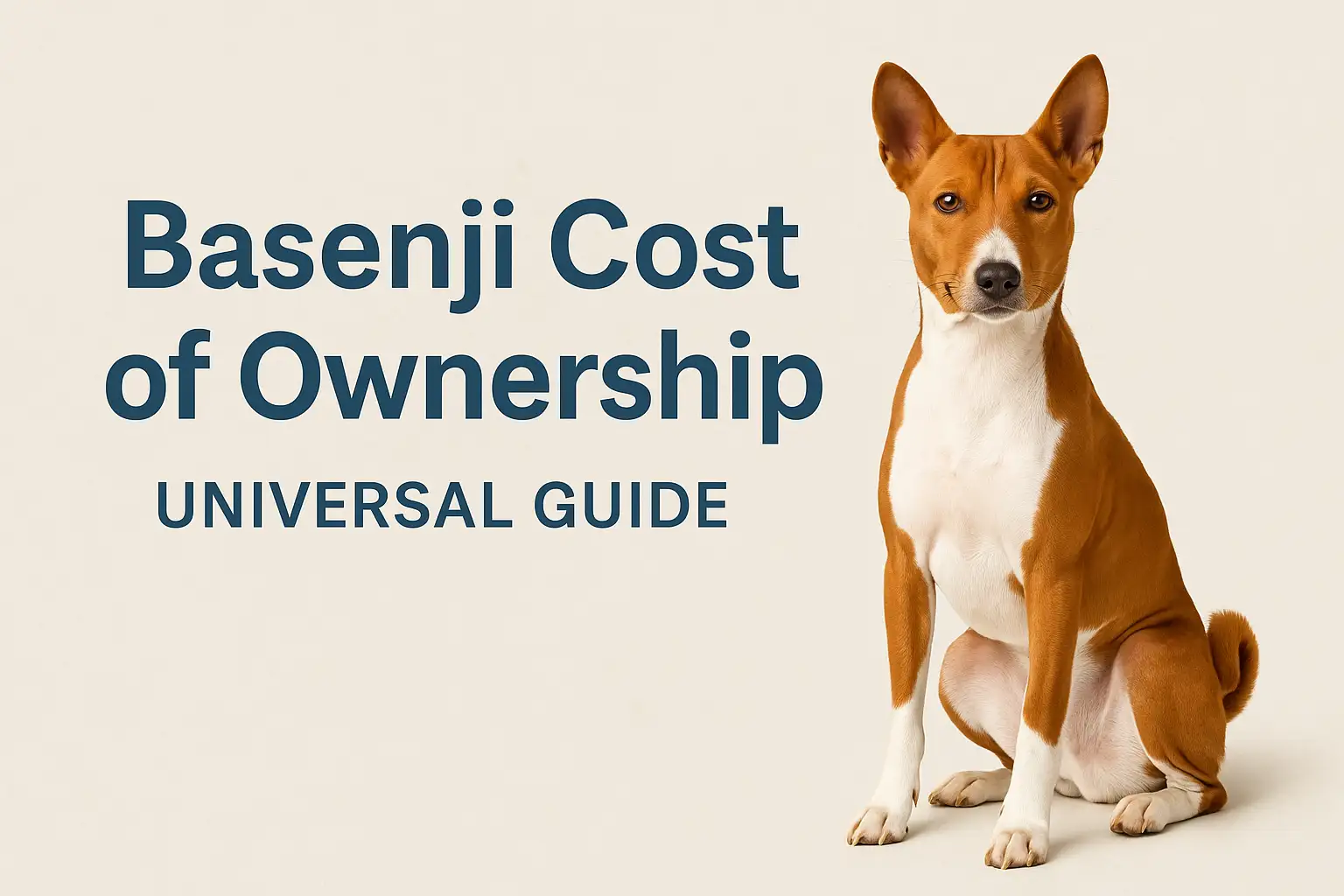
A Basenji usually costs $1,500 to $3,500 from a reputable breeder in the United States, while adoption typically costs around $100 to $600. After the initial purchase or adoption, most owners spend about $80 to $180 per month on food, routine care, supplies, training, and preventative health needs.
The true Basenji cost is not only the puppy price. This breed is intelligent, athletic, independent, and known for being an escape artist, so owners may also need to budget for training, durable gear, secure harnesses, enrichment toys, and long-term veterinary care.
This guide breaks down the full cost of owning a Basenji, including puppy price, adoption fees, first-year expenses, monthly costs, vet care, grooming, food, training, insurance, hidden costs, and lifetime ownership cost.
Basenji Cost Summary
Here is a quick answer before the detailed breakdown:
| Cost Type | Estimated Cost |
|---|---|
| Basenji puppy price | $1,500 – $3,500 |
| Adoption or rescue cost | $100 – $600 |
| First-year setup cost | $175 – $490 |
| Initial vet cost | $320 – $930 |
| Monthly ownership cost | $80 – $180 |
| Typical adult-year cost | $1,000 – $2,500 |
| Estimated lifetime cost | $15,000 – $32,000+ |
Quick answer: Most Basenji owners should expect to spend $1,500 to $3,500 upfront for a puppy, plus around $80 to $180 per month for ongoing care. Adoption can lower the upfront cost, but training, vet care, food, and long-term ownership expenses still need to be planned carefully.
If you are planning long-term care, you can also use the Basenji Age Calculator to understand your Basenji’s life stage in human years and prepare for age-related care needs.
Why Basenji Traits Affect Ownership Cost
Before calculating the true cost of owning a Basenji, it helps to understand the breed’s behavior and care needs. Basenjis are not usually expensive because of grooming, but they can become costly because of training needs, high energy, secure equipment, and breed-specific health monitoring.
For a complete breed overview, read the Basenji Dog Breed Guide.
Basenji size and activity level
Basenjis usually weigh around 22 to 24 pounds and stand about 16 to 17 inches tall. Their size keeps food and supply costs lower than large breeds, but their athletic nature means they often need more exercise, stronger gear, puzzle toys, and structured training.
Basenji training and escape behavior
Basenjis are intelligent and independent. They may ignore commands when distracted, chase small animals, or try to escape if the yard or harness is not secure. This can increase ownership costs because many owners invest in private training, escape-proof harnesses, reinforced fencing, long leads, and durable enrichment toys.
For deeper training help, see the Basenji Dog General Training Guide.
Basenji grooming and shedding cost
Basenjis shed lightly and have a short, low-odor coat, so grooming costs are usually lower than many other breeds. However, they still need nail trimming, occasional baths, ear cleaning, dental care, and basic grooming supplies.
For a full grooming breakdown, read the Basenji Dog Grooming Basics.
Basenji lifespan and long-term cost
Basenjis usually live around 12 to 14 years, and some live longer with good care. A longer lifespan means the lifetime cost of owning a Basenji can become significant once food, vet care, training, supplies, insurance, and senior care are added together.
For age planning, see the Basenji Lifespan and Age Chart.
One-Time Costs of Getting a Basenji
Before monthly expenses begin, new owners should plan for the Basenji puppy price or adoption fee, basic supplies, and initial veterinary care. These first-year costs are usually higher than adult-year costs because puppies need more setup, vaccines, training, and early health checks.
Basenji puppy price from reputable breeders
A Basenji puppy from a reputable breeder usually costs between $1,500 and $3,500 in the United States. Prices can be higher for champion bloodlines, rare availability, strong pedigree, or breeders who complete health testing for conditions such as Fanconi syndrome.
| Region | Typical Basenji Price Range | Notes |
|---|---|---|
| United States | $1,500 – $3,500 | Health-tested or show-quality puppies may cost more |
| United Kingdom | £1,200 – £2,000 | KC-registered breeders are often higher priced |
| Canada | $2,000 – $4,000 CAD | Limited availability can increase price |
| European Union | €1,200 – €2,500 | Cost varies by country and breeder reputation |
Tip: Very cheap Basenji puppies may be a warning sign. A low price can mean missing health testing, poor breeding practices, or incomplete early care.
Basenji adoption or rescue cost
Adopting a Basenji is usually cheaper than buying from a breeder. Adoption commonly costs around $100 to $600, depending on the rescue, shelter, age of the dog, and included veterinary care.
| Adoption Source | Cost Range | Often Includes |
|---|---|---|
| Basenji breed rescue | $250 – $600 | Vaccinations, spay/neuter, microchip, basic health check |
| Local shelter | $100 – $300 | Basic exam, vaccinations, possible microchip |
| Foster-based rescue | $200 – $500 | Health check and behavior notes, depending on rescue |
First-year setup costs for a Basenji
New Basenji owners should budget for essential supplies before bringing the dog home. Because Basenjis are athletic, curious, and good at slipping out of weak gear, durable and secure items are worth prioritizing.
| Item | Estimated Cost | Notes |
|---|---|---|
| Crate | $50 – $150 | Medium size; useful for safety and training |
| Dog bed | $30 – $80 | Durable or chew-resistant option recommended |
| Escape-proof harness | $25 – $60 | Important because Basenjis can slip standard harnesses |
| Leash and long lead | $15 – $40 | Helpful for exercise and recall training |
| Food and water bowls | $10 – $30 | Stainless steel is preferred |
| Chew toys and puzzle toys | $20 – $60 | Useful for mental stimulation and boredom control |
| Grooming tools | $15 – $40 | Brush, nail clippers, shampoo, ear cleaner |
| Cleaning supplies | $10 – $30 | Useful during puppy training or adjustment period |
Total estimated setup cost: $175 – $490
Initial veterinary costs for a Basenji
Your Basenji’s first veterinary costs may include vaccinations, deworming, microchipping, spay or neuter surgery, and an initial health exam. These costs vary by clinic, region, and what care the breeder or rescue has already provided.
| Veterinary Service | Cost Range | Notes |
|---|---|---|
| Puppy vaccinations | $75 – $200 | Usually given as a series |
| Deworming | $20 – $50 | May be needed more than once |
| Microchipping | $25 – $60 | One-time identification cost |
| Spay or neuter | $150 – $500 | Depends on clinic and location |
| Initial health exam | $50 – $120 | Recommended for any new puppy or adopted dog |
Total estimated initial vet cost: $320 – $930
Monthly Costs of Owning a Basenji
After the initial setup, most Basenji owners spend around $80 to $180 per month on food, healthcare, training, and supplies. These costs vary based on diet quality, activity level, health needs, and location.
Quick answer: A typical Basenji costs about $80–$180 per month, with higher costs for premium food, insurance, and ongoing training.
Food and treat costs
Basenjis are small-to-medium dogs but require a high-quality diet due to their energy levels. Monthly food costs depend on the type of food you choose.
| Food Type | Monthly Cost | Notes |
|---|---|---|
| Budget kibble | $25 – $40 | Lower quality, not ideal long-term |
| Mid-range kibble | $40 – $70 | Most common option |
| Premium or fresh food | $70 – $120 | Best for active Basenjis |
| Treats and chews | $10 – $25 | Includes training and dental treats |
Preventative care and supplements
Preventative care helps reduce long-term vet costs and keeps your Basenji healthy.
| Item | Monthly Cost | Notes |
|---|---|---|
| Flea and tick prevention | $10 – $20 | Essential in most areas |
| Heartworm prevention | $8 – $15 | Required in many regions |
| Supplements | $5 – $20 | Optional (joint, skin, digestion) |
Training costs
Training is especially important for Basenjis due to their independent and curious nature. Many owners invest in ongoing training to manage behavior and improve recall.
Average monthly training cost: $40 – $150 (if attending classes regularly)
Pet insurance costs
Pet insurance helps cover unexpected medical expenses and is commonly recommended for active breeds like Basenjis.
| Plan Type | Monthly Cost | Notes |
|---|---|---|
| Accident-only | $15 – $25 | Basic coverage |
| Accident + illness | $35 – $70 | Most common option |
| Comprehensive plans | $70 – $100+ | Includes additional benefits |
Supplies and replacement costs
Basenjis are active and can be destructive if bored, so owners should budget for replacing toys and gear.
| Item | Monthly Cost | Notes |
|---|---|---|
| Toys and chews | $10 – $25 | Frequent replacement needed |
| Poop bags | $5 – $10 | Ongoing basic supply |
| Gear replacement fund | $5 – $10 | For harnesses, leashes, etc. |
Annual Costs of Owning a Basenji
In addition to monthly expenses, Basenji owners should budget for yearly costs such as vet visits, grooming, licensing, and occasional training refreshers.
Annual veterinary costs
Routine veterinary care helps prevent serious health issues and keeps long-term costs manageable.
| Service | Annual Cost | Notes |
|---|---|---|
| Wellness exam | $50 – $120 | Annual checkup |
| Vaccines | $20 – $80 | Booster shots |
| Dental cleaning | $300 – $900 | Often overlooked cost |
| Fanconi testing | $65 – $120 | Breed-specific test |
| Bloodwork | $80 – $150 | Recommended for monitoring health |
Grooming costs
Basenjis require minimal grooming compared to many breeds, but basic care is still necessary.
| Task | Annual Cost | Notes |
|---|---|---|
| Nail trims | $60 – $120 | Every 4–8 weeks |
| Bathing | $40 – $120 | Optional professional grooming |
| Ear care supplies | $10 – $30 | Basic maintenance |
Licensing and registration costs
Licensing is required in many regions and helps identify your dog.
| Item | Annual Cost | Notes |
|---|---|---|
| Dog license | $10 – $30 | Varies by location |
| Microchip renewal | $0 – $20 | Depends on provider |
| Registration fees | $5 – $25 | Local requirements |
Training refreshers
Some Basenjis benefit from occasional training refreshers, especially for recall and behavior management.
Average annual cost: $100 – $400
Lifetime Cost of Owning a Basenji
Basenjis typically live 12 to 14 years, so total ownership cost adds up over time. Planning long-term expenses helps avoid financial surprises.
First-year vs adult-year cost comparison
| Category | First-Year Cost | Adult-Year Cost | Reason |
|---|---|---|---|
| Veterinary care | $320 – $930 | $200 – $500 | Puppies need more early care |
| Supplies | $175 – $490 | $50 – $150 | Lower replacements later |
| Food | $480 – $1,200 | $480 – $1,200 | Consistent feeding needs |
| Training | $200 – $800 | $0 – $400 | More training early |
| Insurance | $180 – $840 | $180 – $840 | Plan dependent |
First-year total: $1,300 – $3,500+
Adult-year total: $1,000 – $2,500
Total lifetime cost estimate
The total lifetime cost of owning a Basenji typically ranges between $15,000 and $32,000+, depending on health, lifestyle, and spending choices.
| Category | Total Cost |
|---|---|
| Food | $6,000 – $14,000 |
| Veterinary care | $3,000 – $10,000 |
| Grooming | $700 – $2,000 |
| Training | $1,000 – $4,000 |
| Supplies | $1,500 – $4,500 |
| Insurance | $2,000 – $10,000 |
| Unexpected costs | $1,000 – $5,000+ |
How age affects Basenji costs
As Basenjis age, costs may increase due to more frequent vet visits, medications, dental care, and specialized diets. Planning ahead helps manage these expenses effectively.
You can also compare your Basenji’s age with human years using the Basenji Age Calculator or review the full Basenji Lifespan and Age Chart.
Basenji Veterinary Costs
Veterinary care is one of the biggest long-term costs of owning a Basenji. While the breed is generally healthy, routine care and potential genetic conditions should be considered.
Routine vet care
| Service | Cost | Notes |
|---|---|---|
| Annual exam | $50 – $120 | Basic checkup |
| Vaccines | $20 – $80 | Core boosters |
| Bloodwork | $80 – $150 | Monitoring health |
| Fecal test | $25 – $45 | Parasite check |
| Nail trim | $10 – $25 | As needed |
Emergency vet costs
Emergency costs can vary widely depending on the situation.
| Emergency | Cost Range |
|---|---|
| Obstruction | $1,000 – $3,500 |
| Toxic ingestion | $300 – $1,200 |
| Injury | $500 – $4,000 |
| Allergic reaction | $150 – $500 |
| Emergency exam | $100 – $200 |
Breed-specific health costs
Basenjis may develop certain genetic conditions, which can affect long-term costs.
| Condition | Cost | Notes |
|---|---|---|
| Fanconi syndrome | $65 – $120 testing | Important breed condition |
| Hypothyroidism | $20–$50/month | Lifelong treatment |
| Allergies | $200 – $800/year | Variable severity |
| Eye disorders | $100 – $250 | Exams and treatment |
Regular preventative care can reduce the risk of expensive treatments later.
Basenji Grooming Costs
Basenjis are one of the lowest-maintenance dog breeds when it comes to grooming. Most owners spend very little compared to long-haired or heavy-shedding breeds, but basic grooming costs still need to be included in your budget.
Quick answer: Basenji grooming typically costs $60 to $200 per year if done at home, and slightly more if using professional services occasionally.
Why Basenjis are low-cost to groom
Basenjis have a short coat, shed very little, and naturally keep themselves clean, similar to cats. This reduces the need for frequent baths or professional grooming visits. However, they still require routine care to stay healthy.
Professional grooming costs
Professional grooming is optional for most Basenjis but can be useful for convenience.
| Service | Cost per Visit | Notes |
|---|---|---|
| Nail trim | $10 – $25 | Most common service |
| Basic bath | $25 – $60 | Short coat keeps cost low |
| Bath + nail trim | $35 – $80 | Optional bundle service |
At-home grooming costs
Most Basenji owners choose at-home grooming, which keeps long-term costs low.
| Item | Cost Range | Notes |
|---|---|---|
| Brush or grooming mitt | $8 – $20 | Removes loose hair |
| Dog shampoo | $10 – $20 | Used occasionally |
| Nail clippers or grinder | $15 – $40 | Used every few weeks |
| Ear cleaning solution | $8 – $15 | Prevents buildup |
Because Basenjis do not require haircuts or heavy grooming, this remains one of the lowest ongoing costs of ownership.
Food and Nutrition Costs for Basenjis
Feeding a Basenji is relatively affordable, but diet quality directly affects long-term health, energy levels, and veterinary costs.
For a deeper feeding breakdown, see the Basenji Nutrition and Feeding Guide.
Quick answer: Most Basenji owners spend around $40 to $90 per month on food, depending on quality and activity level.
Food intake based on size and activity
Adult Basenjis typically weigh 22 to 24 pounds and eat about 1 to 1.5 cups of food per day. Highly active dogs may require more.
| Basenji Type | Daily Food Amount | Monthly Cost |
|---|---|---|
| Lower activity | 1 cup | $35 – $60 |
| Average Basenji | 1–1.5 cups | $40 – $90 |
| Highly active | 1.5–2 cups | $60 – $120 |
Food quality vs cost
Higher-quality food often improves digestion, coat health, and long-term wellness, reducing future vet expenses.
| Food Type | Monthly Cost | Notes |
|---|---|---|
| Budget kibble | $25 – $40 | Lower nutritional value |
| Mid-range kibble | $40 – $70 | Balanced option |
| Premium or fresh food | $70 – $120 | Best for active dogs |
Treat and dental care costs
Most owners spend around $10 to $25 per month on treats and dental chews for training and oral health.
Basenji Training Costs
Training is one of the most important investments for Basenji owners. This breed is intelligent but independent, which means consistent training helps prevent costly behavioral issues.
For step-by-step behavior guidance, read the Basenji Training Guide.
Quick answer: Training costs can range from $100 to $800+ depending on the type and level of training.
Why training matters for Basenjis
Basenjis may ignore commands, chase prey, or attempt to escape if not properly trained. Investing early reduces the risk of damage, accidents, and ongoing behavior issues.
Training cost breakdown
| Training Type | Cost | Notes |
|---|---|---|
| Puppy classes | $100 – $300 | Best starting point |
| Basic obedience | $150 – $400 | Core commands |
| Private sessions | $50 – $150 each | Targeted training |
| Behavior training | $300 – $800+ | For difficult cases |
Pet Insurance Costs for Basenjis
Pet insurance helps reduce the financial impact of emergencies and long-term health conditions.
Quick answer: Most Basenji insurance plans cost $35 to $70 per month, depending on coverage and location.
Average insurance cost
| Plan | Monthly Cost | Notes |
|---|---|---|
| Accident-only | $15 – $25 | Basic coverage |
| Accident + illness | $35 – $70 | Most common |
| Full coverage | $70 – $100+ | Includes extras |
Is insurance worth it?
Because Basenjis are active and prone to certain genetic conditions, many owners find insurance useful for managing unexpected costs.
Supplies and Replacement Costs
Basenjis are energetic and curious, which means supplies may need to be replaced more often than expected.
Quick answer: Expect to spend around $15 to $40 per month on supplies and replacements.
Essential gear costs
| Item | Cost | Notes |
|---|---|---|
| Harness | $25 – $60 | Escape-proof recommended |
| Leash | $10 – $30 | Durable option preferred |
| Crate | $50 – $150 | For training and safety |
| Bed | $30 – $80 | Replace as needed |
| Bowls | $10 – $30 | Basic setup |
Replacement frequency
| Item | Frequency | Annual Cost |
|---|---|---|
| Toys | Every 1–3 months | $60 – $200 |
| Leash | 1–2 times/year | $10 – $60 |
| Bed | Every 1–2 years | $30 – $80 |
| Harness | Every 1–2 years | $25 – $60 |
Choosing durable products helps reduce replacement costs over time.
Hidden or Unexpected Basenji Ownership Costs
Even with careful planning, some Basenji ownership costs can be unpredictable. These extra expenses are not always required, but they are common enough that owners should include them in their overall budget.
Quick answer: Unexpected Basenji costs can range from $200 to $2,000+ per year depending on lifestyle, emergencies, and behavior.
Travel, boarding, and pet care
If you travel or work long hours, you may need additional care services. Basenjis can become anxious if left alone for long periods, so reliable care is important.
| Service | Cost | Notes |
|---|---|---|
| Boarding (per night) | $30 – $75 | Higher in urban areas |
| Daycare | $20 – $45/day | Useful for high-energy dogs |
| Pet sitter | $15 – $40/visit | Short-term solution |
Dental care costs
Dental care is one of the most commonly overlooked expenses in dog ownership.
| Service | Cost |
|---|---|
| Routine cleaning | $300 – $900 |
| Advanced treatment | $800 – $2,500+ |
Damage and destruction costs
Basenjis are curious and energetic, which can sometimes lead to damaged items, especially during puppyhood.
| Item | Cost |
|---|---|
| Chewed belongings | $20 – $100 |
| Destroyed toys | $10 – $30 each |
| Damaged gear | $15 – $60 |
| Minor home damage | $50 – $200+ |
Escape-proofing costs
Basenjis are known escape artists, so some owners invest in securing their home or yard.
| Item | Cost | Notes |
|---|---|---|
| Fence reinforcement | $50 – $300+ | Prevents escapes |
| Secure locks | $10 – $40 | Extra safety |
| Training lead | $15 – $40 | Improves control |
How to Budget for a Basenji
Creating a clear budget makes Basenji ownership easier and more predictable. Planning ahead helps you handle both regular expenses and unexpected costs.
Monthly and annual budget overview
| Category | Monthly Cost | Annual Cost |
|---|---|---|
| Food and treats | $40 – $110 | $480 – $1,320 |
| Preventative care | $15 – $35 | $180 – $420 |
| Supplies | $15 – $40 | $180 – $480 |
| Insurance | $35 – $70 | $420 – $840 |
| Training | $10 – $40 | $120 – $480 |
| Vet savings | $20 – $50 | $240 – $600 |
Emergency fund planning
It’s recommended to keep an emergency fund for unexpected vet costs:
- $500 – $1,000 minimum
- $1,000 – $3,000 ideal
Planning for higher-cost years
Older Basenjis may require more medical care, including dental work, medications, and frequent vet visits. Saving a small amount monthly helps manage these increases.
Ways to Save Money Without Compromising Care
Smart decisions can reduce costs without affecting your Basenji’s health or quality of life.
- Buy durable gear to reduce replacements
- Feed quality food to avoid long-term health issues
- Train early to prevent costly behavior problems
- Maintain preventive care to reduce vet bills
- Groom at home to save money
What not to cut costs on
- Skipping vaccines or preventive medication
- Buying very low-quality food
- Ignoring dental care
- Using unsafe or weak gear
- Delaying medical treatment
Basenji Cost FAQs
Are Basenjis expensive to own?
Basenjis are moderately expensive due to training, vet care, and equipment needs, but grooming costs are relatively low.
How much does a Basenji cost per month?
Most owners spend around $80 to $180 per month.
How much does a Basenji puppy cost?
Typically $1,500 to $3,500 from breeders, or $100 to $600 through adoption.
Are Basenjis low maintenance?
They are low maintenance for grooming but require more attention in training and exercise.
Do Basenjis bark?
No, they produce unique sounds such as yodels instead of traditional barking.
How long do Basenjis live?
They usually live 12 to 14 years.
Is pet insurance worth it for a Basenji?
Yes, it helps reduce unexpected medical costs for active and curious dogs.
How much does it cost to adopt a Basenji?
Adopting a Basenji usually costs around $100 to $600, depending on the shelter, rescue, age of the dog, and included veterinary care.
What is the lifetime cost of owning a Basenji?
The lifetime cost of owning a Basenji is usually around $15,000 to $32,000+, depending on food quality, vet care, training, insurance, and unexpected expenses.
Why are Basenjis expensive?
Basenjis can be expensive because they are relatively rare, reputable breeders often perform health testing, and the breed may require extra training, secure gear, and long-term health monitoring.
Final Thoughts
Owning a Basenji is a rewarding experience, but it requires proper financial planning. From initial purchase to long-term care, understanding the full cost helps you make a confident decision.
By preparing for both expected and unexpected expenses, you can ensure your Basenji stays healthy, safe, and well cared for throughout its life.

Ata Ur Rehman is the founder of Pet Age in Human Years Calculator, an educational platform that provides age conversion charts and lifespan guides for dogs, cats, birds, and other companion animals. His work focuses on helping pet owners understand how animal ages translate into human years using commonly accepted age conversion formulas and published lifespan averages.
The website compiles breed and species lifespan data from kennel clubs, breed organizations, and general animal lifespan studies to present simple and easy-to-understand guides for pet owners worldwide.
This website was created to centralize animal age conversion charts into one easy reference platform for pet owners.