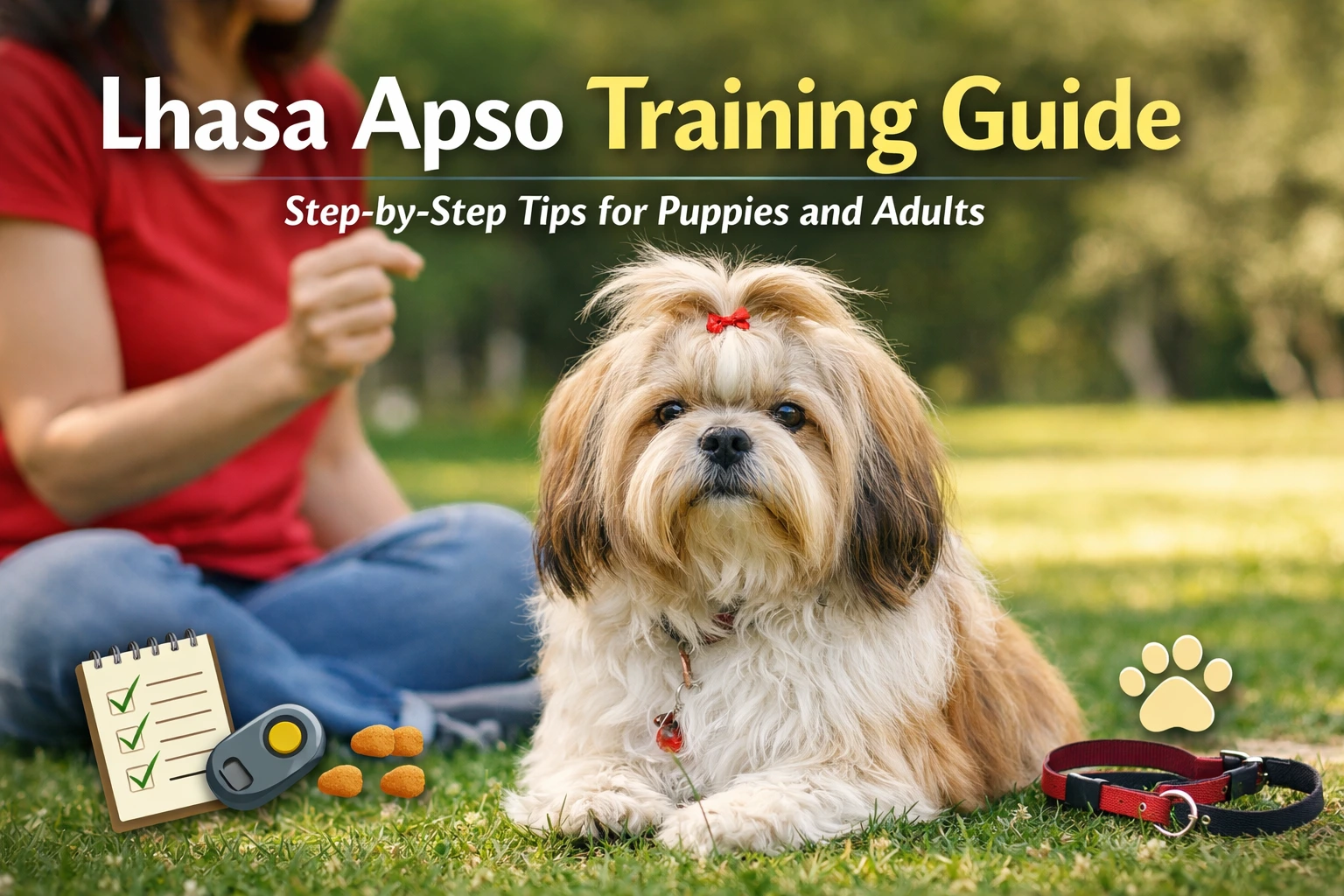
lhasa apso Training is not hard, but it is different from training many other small dogs. This breed is smart, confident, and used to thinking on its own. Because of this, training needs patience, calm energy, and clear steps.
This guide is made for beginners, first-time dog owners, and anyone who wants simple and clear training help. It works for both puppies and adult dogs. You do not need special tools or long training hours. Short and steady practice brings the best results with a lhasa apso.
Many owners think their lhasa apso is stubborn or ignores commands on purpose. In most cases, the dog is simply independent and needs better timing and clear rewards. When training is done the right way, this breed can learn good manners, basic commands, and calm behavior at home.
If you want to understand the breed in more detail before training, you can also read the Lhasa Apso Dog Full Guide, which explains temperament, care needs, and daily life with this dog.
This article will help you understand why training matters, how lhasa apso behavior works, and how to train step by step without stress.
Why Training a Lhasa Apso Is Important
lhasa apso Training is important for safety, calm behavior, and a happy home. This dog is small, but it is confident and alert. Without training, small problems can quickly turn into big habits.
One key reason to train is safety. A trained lhasa apso listens when called, walks better on a leash, and stays calmer around doors and visitors. This helps prevent accidents inside and outside the home.
Training also helps control barking. Lhasa apsos are natural watchdogs. They bark to warn their owners. Training teaches the dog when barking is okay and when it should stop. This is very helpful in apartments and quiet homes.
Good training builds trust. When a dog understands what you want, it feels more relaxed. Clear rules reduce stress for both the dog and the owner. Training also strengthens the bond between you and your lhasa apso.
Without training, this breed can become stubborn, noisy, and hard to manage. Many owners think the dog is “bad,” but in reality, it just needs guidance and routine.
Here is a simple look at why training matters:
| With Training | Without Training |
|---|---|
| Listens better | Ignores commands |
| Less barking | Constant alert barking |
| Calm behavior | Stubborn habits |
| Safer outdoors | Poor recall |
| Strong bond | Confusion and stress |
Training does not need to be strict or scary. Calm and steady training makes daily life easier and more enjoyable for everyone.
Understanding Lhasa Apso Behavior Before Training
Before you start training, it is important to understand how a lhasa apso thinks. This breed was raised to be alert and make its own choices. Because of this, it does not always act like a dog that follows commands quickly.
Lhasa apsos are independent by nature. When they do not listen right away, it does not mean they are being bad. It usually means they are thinking first. This is why calm and patient training works better than force.
This breed is also a natural watchdog. It reacts fast to sounds, movement, and strangers. Barking is normal behavior for a lhasa apso. Training should focus on control, not stopping barking completely.
Tone of voice matters a lot. Lhasa apsos are sensitive to loud voices and rough handling. If training feels scary, the dog may shut down or refuse to cooperate. Gentle guidance helps the dog feel safe and willing to learn.
Puppies and adult dogs learn in different ways. Puppies learn faster but need very short sessions. Adult lhasa apsos can still learn well, but progress may be slower. Consistency is more important than speed.
Home environment also affects behavior. In apartments or busy homes, this breed may bark more because it hears more sounds. Understanding this helps you train with realistic expectations.
Here is a simple table to explain common lhasa apso behaviors:
| Behavior | What It Means |
|---|---|
| Ignores commands | Independent thinking |
| Barks at sounds | Watchdog instinct |
| Learns slowly | Needs patience |
| Bonds to one person | Strong loyalty |
| Resists pressure | Responds better to calm rewards |
When you understand why your lhasa apso behaves this way, training becomes easier and less frustrating.
Step-by-Step Lhasa Apso Training Method
lhasa apso Training works best when it is simple and calm. This breed learns better with short lessons and clear rewards. Long or strict sessions often cause stress or stubborn behavior.
You can start training as early as 8 weeks old. Adult lhasa apsos can also be trained, but they may need more patience. The key is daily practice, not long hours.
Keep training sessions short. Puppies do well with 5 to 10 minutes at a time. Adult dogs can handle 10 to 15 minutes. Train one or two times a day in a quiet place with few distractions.
Always reward good behavior right away. Use small treats, praise, or gentle petting. Rewards must come at the exact moment the dog does the right thing. This helps the dog understand what you want.
Start with basic commands. Teach one command at a time. Do not rush. Practice indoors first before trying outside.
Use this simple daily routine as a guide:
| Dog Age | Sessions Per Day | Session Length |
|---|---|---|
| Puppy | 3–4 | 5–10 minutes |
| Adult | 2–3 | 10–15 minutes |
Teach commands in a clear order. This helps the dog learn faster and feel less confused.
| Training Step | Command |
|---|---|
| Step 1 | Sit |
| Step 2 | Stay |
| Step 3 | Come |
| Step 4 | Quiet |
| Step 5 | Leash walking |
House lhasa apso Training should be calm and regular. Take your lhasa apso outside after meals, naps, and playtime. Praise the dog every time it goes in the right place. Never punish accidents. Punishment causes fear and slows learning.
Leash training should start indoors. Let the dog get used to the leash first. Walk slowly and reward calm steps. Stop if the dog pulls and continue only when it relaxes.
Most lhasa apsos show progress within a few weeks if training is done daily. Some behaviors, like barking control, may take longer. Be patient and stay consistent.
Common Lhasa Apso Training Problems and Solutions
Even with good training, lhasa apso dogs can face a few common problems. These issues are normal for the breed and can be fixed with patience and the right approach.
One common problem is not listening to commands. This usually happens when training sessions are too long or boring. Short sessions with better rewards help the dog stay focused.
Barking is another big challenge. Lhasa apsos bark because they are alert and protective. Teaching the “quiet” command and rewarding calm behavior works better than shouting or punishment.
Some dogs do not come when called. This is often because training started outside too soon. Practice recall inside the house first, then slowly move to places with more distractions.
In apartments or busy homes, noise can make training harder. Extra patience is needed because the dog hears many sounds. Training in quiet times of the day can help.
In homes with more than one pet, training may feel slow. Train one dog at a time at first. This helps the lhasa apso focus better.
As dogs grow older, behavior and learning speed can change. Understanding your dog’s life stage helps set realistic training goals. Tools like the Lhasa Apso Dog Age In Human Years Calculator can help owners understand age-related behavior changes and training expectations.
Here is a simple table to help fix common training problems:
| Problem | Simple Fix |
|---|---|
| Dog ignores commands | Shorter sessions and better rewards |
| Too much barking | Teach quiet command calmly |
| Won’t come when called | Practice indoors first |
| Training feels slow | Be patient and consistent |
| Dog seems stressed | Reduce pressure and noise |
If behavior does not improve after steady training, or if the dog shows fear or aggression, professional help may be needed. A certified trainer or behavior expert can guide you safely.
For trusted, science-based training advice and general dog behavior guidance, you can also explore the American Kennel Club training resources, which offer helpful tips for owners at every experience level: https://www.akc.org/expert-advice/training/.
Related Article
| Lhasa Apso Dog |
| Lhasa Apso Dog Age Calculator to Human Years – Age Chart |
| Lhasa Apso Dog Grooming Basics |
| Lhasa Apso Dog Nutrition & Feeding |
| Lhasa Apso Dog Cost of Ownership (Universal Guide) |

Ata Ur Rehman is the founder of Pet Age in Human Years Calculator, an educational platform that provides age conversion charts and lifespan guides for dogs, cats, birds, and other companion animals. His work focuses on helping pet owners understand how animal ages translate into human years using commonly accepted age conversion formulas and published lifespan averages.
The website compiles breed and species lifespan data from kennel clubs, breed organizations, and general animal lifespan studies to present simple and easy-to-understand guides for pet owners worldwide.
This website was created to centralize animal age conversion charts into one easy reference platform for pet owners.