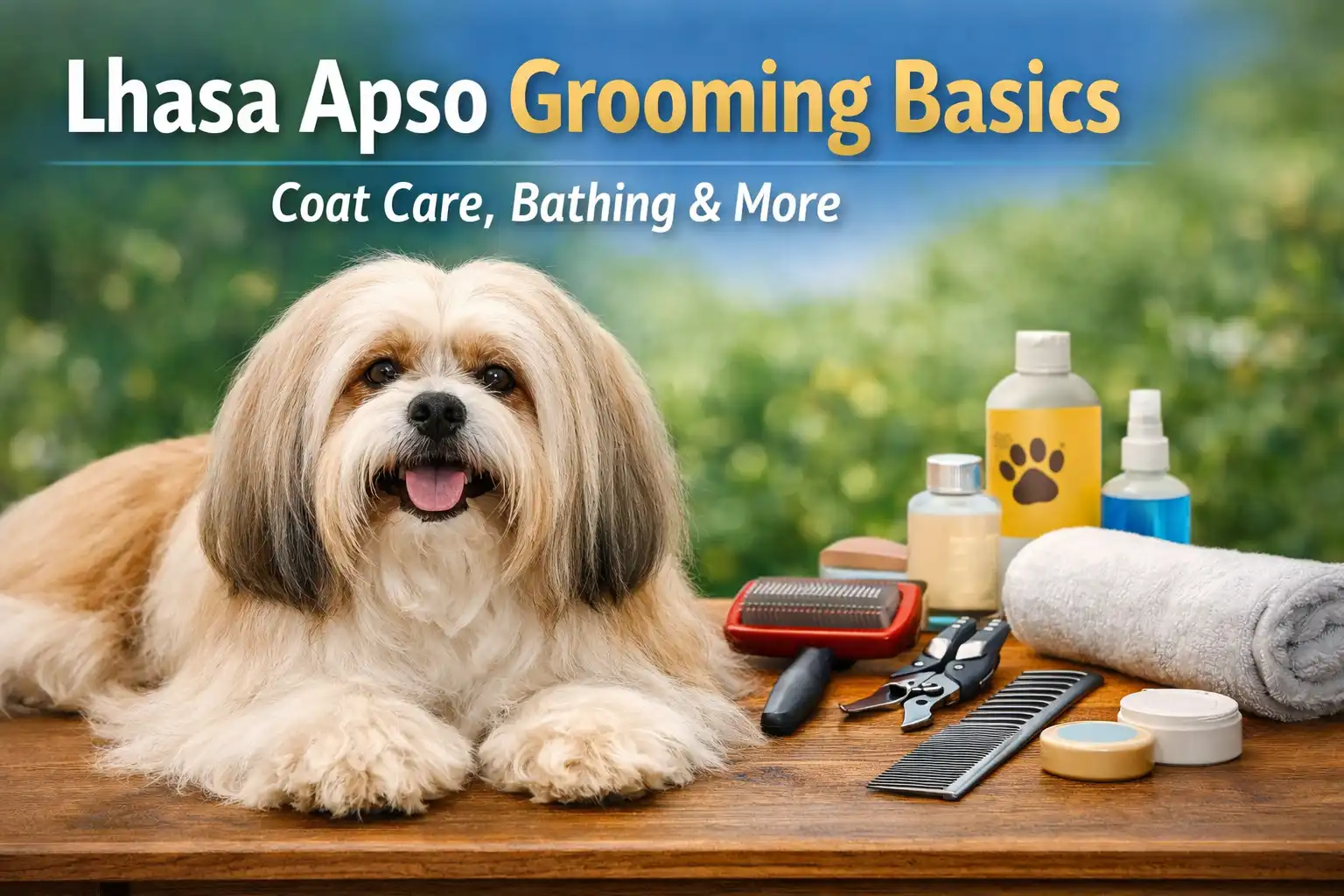
Lhasa Apso Grooming is not just about making a lhasa apso look nice. It is a key part of keeping the dog comfortable, healthy, and happy. Because this breed has long hair that keeps growing, regular grooming is needed to avoid pain and skin problems.
A lhasa apso does not shed much, but this does not mean it is low-care. Loose hair stays trapped in the coat instead of falling out. If brushing is skipped, this hair turns into tight mats. Mats pull on the skin, make walking uncomfortable, and can hide sores or infections.
Regular grooming helps keep the skin clean and allows air to reach it. It also makes it easier to spot early problems like redness, bumps, ticks, or bad smells. When grooming is done often, the dog becomes calm and used to being handled, which reduces stress over time.
Good grooming also affects behavior. Dogs that are matted or itchy can become irritable or restless. When a lhasa apso feels clean and comfortable, it is usually calmer and more relaxed at home.
If you want to understand the breed better before focusing on grooming, you can read the Lhasa Apso Dog Full Guide to learn about temperament, care needs, and daily life with this dog.
Here is a simple comparison to show why grooming matters so much for a lhasa apso:
| With Regular Grooming | Without Regular Grooming |
|---|---|
| Clean, healthy coat | Heavy matting |
| Comfortable movement | Skin pulling and pain |
| Healthy skin | Hot spots and infections |
| Calm behavior | Stress and discomfort |
| Pleasant smell | Strong odor buildup |
Regular grooming does not need to be hard or stressful. When done the right way, it becomes a normal and positive part of your dog’s routine.
Understanding the Lhasa Apso Coat and Shedding
The lhasa apso has a long, straight double coat. This means it has two layers of hair. The top layer is long and smooth, and the inner layer is softer. This coat helped the breed stay warm in cold places long ago, but today it needs regular care.
Many people think the lhasa apso is easy to groom because it sheds very little. This is not fully true. Loose hair does not fall out much. Instead, it stays trapped in the coat. When this hair is not brushed out, it turns into knots and mats.
Matting happens most often behind the ears, under the arms, around the collar, and on the belly. These mats can pull on the skin and cause pain. Over time, they can also trap dirt and moisture, leading to skin problems.
Some owners choose to keep the coat long, while others prefer a short puppy cut. A long coat looks beautiful but needs daily brushing. A short coat is easier to manage and still keeps the dog comfortable. Both styles are fine if grooming is done the right way.
Here is a simple table to explain the lhasa apso coat and what it means for grooming:
| Coat Feature | What It Means |
|---|---|
| Double coat | Needs frequent brushing |
| Long hair | Mats easily if not brushed |
| Low shedding | Loose hair stays in the coat |
| Puppy cut | Easier daily care |
| Long coat | Higher grooming effort |
Understanding the coat helps you choose the right grooming routine. When you know how the coat works, grooming becomes easier and less stressful.
Lhasa Apso Grooming Routine at Home
A simple grooming routine at home keeps a lhasa apso clean and comfortable. You do not need many tools, but you do need regular care and patience.
Start with brushing. If your lhasa apso has a long coat, brushing every day is best. If the coat is short, brushing three to four times a week is usually enough. Always brush gently and slowly, starting from the ends of the hair and moving closer to the skin. This helps prevent pain and pulling.
Bathing should be done every two to four weeks. Use a dog shampoo made for sensitive skin. Human shampoo is not safe for dogs and can cause itching. After the bath, drying is very important. A damp coat can lead to mats and skin problems. Towel-dry first, then use a low-heat dryer if your dog is comfortable with it.
Pay close attention to areas where mats form easily. These spots need extra brushing and care. Checking them often saves time and avoids painful tangles.
Here is a simple grooming schedule to follow at home:
| Grooming Task | How Often |
|---|---|
| Brushing | Daily (long coat), 3–4 times a week (short coat) |
| Bathing | Every 2–4 weeks |
| Eye cleaning | Daily |
| Coat trimming | Every 6–8 weeks |
Here are the most common places where mats appear:
| Area | Why Mats Form |
|---|---|
| Behind ears | Hair rubs and tangles |
| Under arms | Constant movement |
| Around collar | Friction |
| Belly | Fine, soft hair |
Keeping this routine makes grooming easier over time. The more regular you are, the calmer your lhasa apso will be during grooming.
Extra Grooming Care: Nails, Ears, Teeth, and Skin
Grooming a lhasa apso is not only about the coat. Nails, ears, teeth, and skin also need regular care to keep the dog healthy and comfortable.
Nail trimming is very important. Long nails can make walking painful and may cause joint stress. Most lhasa apsos need nail trimming every three to four weeks. If you hear nails clicking on the floor, they are too long.
Ear cleaning helps prevent infection. Lhasa apsos have hair around the ears that can trap moisture. Clean the ears gently with a dog-safe ear cleaner. Never push anything deep into the ear. If you see redness, bad smell, or heavy discharge, contact a vet.
Dental care is often ignored, but it matters a lot for small dogs. Lhasa apsos can get plaque and tooth problems easily. Brushing the teeth several times a week helps prevent bad breath, gum disease, and tooth loss.
Skin checks should be part of grooming time. While brushing, look for redness, bumps, flakes, or sores. Finding skin problems early makes them easier to treat.
As dogs grow older, grooming needs can change. Senior dogs may have sensitive skin or joint stiffness. Understanding your dog’s age helps you adjust grooming routines gently. Tools like the Lhasa Apso Dog Age In Human Years Calculator can help owners understand age-related care needs better.
Here is a simple checklist for extra grooming care:
| Area | Care Needed |
|---|---|
| Nails | Trim every 3–4 weeks |
| Ears | Clean gently and keep dry |
| Teeth | Brush several times a week |
| Skin | Check for redness or flakes |
Regular care in these areas prevents pain and keeps your lhasa apso feeling good every day.
Special Grooming Situations and Common Mistakes
Some lhasa apsos need extra care depending on their age, season, or comfort level. Knowing how to handle these situations helps prevent stress and injury.
Puppies should be groomed gently and often. Short brushing sessions help them get used to being handled. This makes grooming easier as they grow older. Adult dogs usually handle grooming well if it is done regularly. Senior lhasa apsos may move more slowly and have sore joints, so grooming should be calm and gentle.
Seasonal changes also affect grooming. During warmer months, many owners choose a shorter coat to keep the dog cool. In cooler months, a longer coat may be more comfortable but needs more brushing to avoid mats.
Some owners groom at home, while others use a professional groomer. Home grooming works well for regular brushing and basic care. A professional groomer is helpful for full haircuts, heavy matting, or dogs that dislike grooming.
Many grooming problems come from simple mistakes. Skipping brushing is the most common one. Waiting too long between grooming sessions can turn small tangles into painful mats. Bathing too often can dry out the skin. Using human shampoo can cause irritation. Shaving a double coat can damage how the coat grows back.
Here is a quick look at common grooming mistakes and why they matter:
| Mistake | Why It’s a Problem |
|---|---|
| Skipping brushing | Causes heavy matting |
| Bathing too often | Dries out skin |
| Using human shampoo | Skin irritation |
| Shaving the coat | Damages coat growth |
| Waiting too long | Grooming becomes painful |
Grooming does not have to be perfect. It just needs to be regular and gentle. When done with care, grooming keeps your lhasa apso healthy, comfortable, and happy.
For official breed standards and trusted grooming-related information, you can also visit the American Kennel Club Lhasa Apso breed page, which offers reliable guidance on coat type and overall breed care: https://www.akc.org/dog-breeds/lhasa-apso/.
Related Article
| Lhasa Apso Dog |
| Lhasa Apso Dog General Training Guides |
| Lhasa Apso Dog Age Calculator to Human Years – Age Chart |
| Lhasa Apso Dog Nutrition & Feeding |
| Lhasa Apso Dog Cost of Ownership (Universal Guide) |

Ata Ur Rehman is the founder of Pet Age in Human Years Calculator, an educational platform that provides age conversion charts and lifespan guides for dogs, cats, birds, and other companion animals. His work focuses on helping pet owners understand how animal ages translate into human years using commonly accepted age conversion formulas and published lifespan averages.
The website compiles breed and species lifespan data from kennel clubs, breed organizations, and general animal lifespan studies to present simple and easy-to-understand guides for pet owners worldwide.
This website was created to centralize animal age conversion charts into one easy reference platform for pet owners.