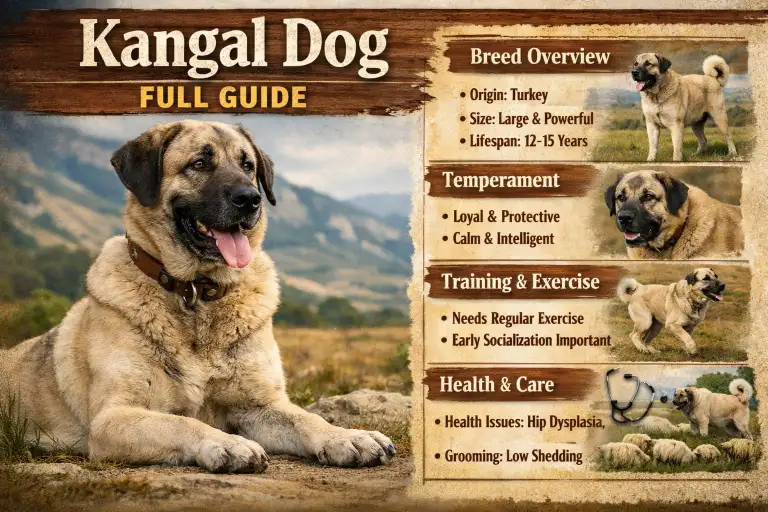
The Kangal Dog, also known as the Kangal Shepherd Dog, is a large, powerful, and loyal breed originating from the Sivas region of Turkey. Renowned for its exceptional guarding instincts, the Kangal has been bred for centuries to protect livestock from predators such as wolves, bears, and jackals. Its calm yet vigilant temperament makes it not only an excellent guardian but also a devoted family companion when raised with proper socialization.
Historically, the Kangal has been a cornerstone of Turkish pastoral culture. Shepherds valued the breed for its intelligence, independence, and unwavering loyalty to its flock. Unlike many other large guardian breeds, Kangals are known for their ability to make decisions autonomously, assessing threats and acting without constant human direction. This combination of strength, agility, and instinct has earned the Kangal international recognition as one of the most effective livestock guardian dogs in the world.
The breed is officially recognized by international kennel organizations such as the Fédération Cynologique Internationale (FCI) and the Turkish Kennel Club. Today, Kangals are not only found in rural Turkey but also in farms and homes worldwide, where they continue to protect livestock and serve as loyal companions.
Breed Snapshot Table:
| Feature | Details |
|---|---|
| Breed Name | Kangal Dog / Kangal Shepherd Dog |
| Origin | Turkey (Anatolia) |
| Role | Livestock Guardian |
| Recognition | AKC, FCI, Turkish Kennel Club |
| Lifespan | 12–15 years |
| Size | Large (Male: 110–145 lbs, Female: 90–120 lbs) |
| Coat | Short double coat, fawn with black mask |
Appearance, Size & Physical Traits
The Kangal Dog is a large and strong dog with a balanced, muscular body. They are built to work long hours guarding livestock, so their body is both powerful and agile. Male Kangals are usually bigger than females, but both have a commanding presence that makes them excellent guardians.
Kangals have a short double coat that protects them from both heat and cold. The most common color is fawn, with a black mask on the face. Some may have lighter fawn or even gray tones, but the black mask is a signature feature. Their coat is easy to care for, but it sheds more during spring and fall.
The breed has distinctive features that make them easy to recognize. They have a broad head, strong muzzle, and triangular ears that hang down. Their tail is thick and usually curls over the back. Kangals have a calm, alert expression that shows they are always aware of their surroundings.
Size & Weight Comparison:
| Sex | Height (at shoulder) | Weight |
|---|---|---|
| Male | 29–32 inches | 110–145 lbs |
| Female | 28–31 inches | 90–120 lbs |
Coat & Color Quick Facts:
| Feature | Details |
|---|---|
| Coat Type | Short double coat |
| Common Colors | Fawn, Light fawn, sometimes gray |
| Distinctive Marks | Black mask |
| Seasonal Shedding | Moderate, heavier in spring/fall |
Kangals are strong and well-proportioned, making them capable of protecting large flocks of sheep or goats. Their size, coat, and alert stance give them a look that is both impressive and reassuring to those around them.
Temperament, Behavior & Suitability
Kangal Dogs are known for being loyal, calm, and very protective. They are smart and can make decisions on their own, which helps them guard livestock without constant guidance. Despite their size and strength, they are gentle with their family members if they are raised with love and care.
With strangers, Kangals are usually cautious and may act protective. Early socialization is very important so they can tell the difference between a friend and a threat. With children, they are usually patient, but their large size means they should always be supervised around small kids. Kangals can get along with other pets if introduced carefully from a young age, but their guarding instincts can make them wary of new animals.
Not every household is a perfect match for a Kangal. They do best with owners who have experience with large dogs and enough space for the dog to move around freely. Active families, farmers, or people with large yards are usually the ideal owners. Kangals are not suitable for apartment living or for owners who want a small, easy-to-handle dog.
Suitability Summary:
| Household Type | Suitability | Notes |
|---|---|---|
| Families with Children | ✅ | Supervision recommended due to size |
| First-Time Owners | ⚠️ | Only if experienced with large dogs |
| Apartment Living | ❌ | Needs a yard or open space |
| Active / Athletic Owners | ✅ | Enjoys long walks and guarding activities |
| Multi-Pet Households | ⚠️ | Early socialization is required |
| Seniors | ⚠️ | Best for active seniors who can manage large dogs |
Kangal Dogs are best for people who understand their strong guarding instincts and can provide consistent training, socialization, and plenty of exercise. When they have the right environment, they are calm, loyal, and excellent protectors.
Care, Training & Health
Kangal Dogs need regular exercise, training, and health care to stay happy and strong. They are large and active dogs, so daily walks and space to move around are very important. Mental stimulation is also needed, such as playing games or letting them patrol a yard, to keep their mind sharp.
Training a Kangal requires patience and consistency. They are intelligent but independent, so they may not always follow commands if they think for themselves. Positive reinforcement, clear rules, and early socialization are the best ways to train them. Avoid harsh punishment, as this can damage trust and make training harder.
Grooming is simple. Kangals have a short double coat that needs brushing about once a week. They shed more during spring and fall. Bathing is needed only occasionally. Nail trimming, ear cleaning, and dental care should be done regularly to keep them healthy.
Kangals are generally healthy dogs but can have some issues common to large breeds. These include hip and elbow dysplasia, bloat, and eye problems. Regular vet checkups, proper diet, and maintaining a healthy weight can help prevent problems. Knowing the potential health risks is important for every Kangal owner.
Care & Training Quick Facts:
| Aspect | Requirement / Notes |
|---|---|
| Daily Exercise | 1–2 hours + yard patrol |
| Mental Stimulation | Herding activities, problem-solving games |
| Trainability | Moderate; independent thinker |
| Grooming | Weekly brushing, occasional bath, nail/ear care |
| Health Issues | Hip/elbow dysplasia, bloat, eye conditions |
| Recommended Vet Checks | Hip/elbow X-ray, eye exam, vaccinations |
| Cost | $1,000–$3,000 puppy, routine vet care, insurance recommended |
Kangals are strong, intelligent dogs that thrive with the right care. Regular exercise, proper training, and health monitoring are essential for keeping them safe, happy, and effective as guardians.
Comparisons, Pros & Cons & FAQs
Kangal Dogs are often compared to other large livestock guardian breeds. Some similar breeds include the Anatolian Shepherd, Akbash, and Caucasian Shepherd. Knowing the differences can help you decide which breed fits your home and lifestyle.
Breed Comparison:
| Breed | Size | Temperament | Guarding Ability | Suitability |
|---|---|---|---|---|
| Kangal | Large | Loyal, protective, calm | Excellent | Experienced owners, active households |
| Anatolian Shepherd | Large | Independent, aloof | Very good | Experienced owners |
| Akbash | Large | Gentle, calm | Good | Families, farm settings |
| Caucasian Shepherd | Very Large | Dominant, territorial | Excellent | Experienced owners only |
Kangals have many strengths but also some challenges. Knowing these pros and cons helps owners prepare for life with this powerful breed.
Pros and Cons:
| Pros | Cons |
|---|---|
| Loyal and protective | Large size, needs space |
| Calm at home | Independent and stubborn |
| Excellent guardian instincts | Moderate exercise requirement |
| Low grooming needs | May not tolerate small pets without socialization |
| Long lifespan | Not suitable for apartment living |
Here are some frequently asked questions about Kangals:
| Question | Answer |
|---|---|
| How big do Kangals get? | Male: 110–145 lbs, Female: 90–120 lbs |
| Are Kangals good family dogs? | Yes, with supervision for children |
| Can Kangals live in an apartment? | Not recommended; needs space |
| How much exercise do they need? | 1–2 hours daily plus mental stimulation |
| How much do Kangal puppies cost? | $1,000–$3,000 depending on pedigree |
| Common health concerns? | Hip/elbow dysplasia, bloat, eye conditions |
Kangal Dogs are best for owners who have experience with large breeds, space for exercise, and patience for training. With proper care, they are calm, loyal, and highly protective companions.
For more detailed information about the Kangal Dog and its working history, you can visit the official Turkish Kennel Club page: https://www.tkc.org.tr

Ata Ur Rehman is the founder of Pet Age in Human Years Calculator, an educational platform that provides age conversion charts and lifespan guides for dogs, cats, birds, and other companion animals. His work focuses on helping pet owners understand how animal ages translate into human years using commonly accepted age conversion formulas and published lifespan averages.
The website compiles breed and species lifespan data from kennel clubs, breed organizations, and general animal lifespan studies to present simple and easy-to-understand guides for pet owners worldwide.
This website was created to centralize animal age conversion charts into one easy reference platform for pet owners.