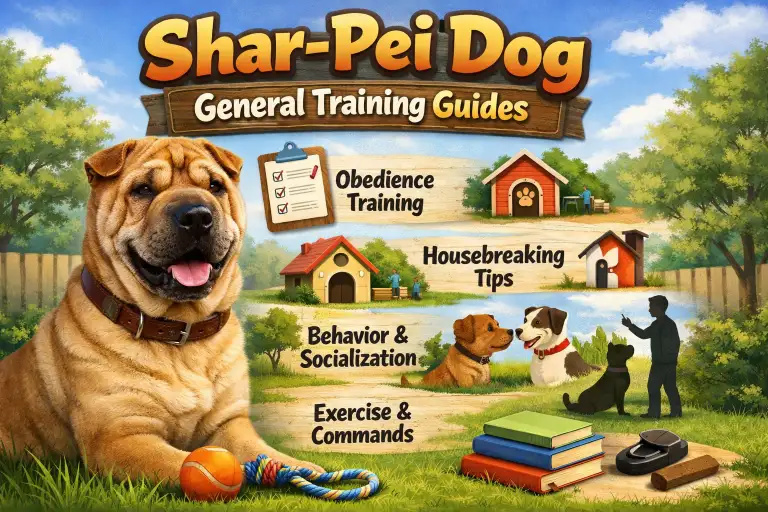
Shar Pei training is not about forcing obedience or repeating commands until a dog gives in. This breed was developed to be independent, alert, and self-directed, which means they learn differently from highly biddable working or sporting dogs. Owners who approach Shar Pei training with generic methods often end up frustrated, convinced their dog is “stubborn” or “untrainable,” when in reality the approach simply does not match the breed’s psychology.
This guide is designed for Shar Pei owners who want practical, realistic training results without damaging trust or triggering shutdown behaviors. Whether you are raising a Shar Pei puppy, working with an adolescent testing boundaries, or training an adult rescue with an unknown history, the principles here focus on calm structure, clear communication, and respect for the breed’s natural temperament.
Shar Peis are intelligent, observant, and highly sensitive to pressure. They notice inconsistency quickly and disengage just as fast if training feels repetitive, confrontational, or meaningless. When trained correctly, however, they become steady, reliable companions with strong impulse control and excellent household manners.
Why Proper Shar Pei Training Matters
Proper Shar Pei training is not optional. It directly affects safety, behavior, and how well your dog fits into daily family life. This breed was originally developed for guarding and independent work, which means untrained behaviors can quickly turn into serious problems if they are not guided early and correctly.
Without training, many Shar Peis develop strong guarding instincts. This can show up as growling at visitors, blocking doorways, or reacting strongly to strangers and other dogs. These behaviors are not “bad dog” issues — they are unmanaged instincts. Training gives your Shar Pei clear rules so they do not feel the need to make decisions on their own.
Training also protects your dog emotionally. Shar Peis are very sensitive to stress and pressure. When they do not understand what is expected, they may shut down, freeze, or completely ignore commands. Over time, this can damage trust between dog and owner. Clear training reduces confusion and helps your Shar Pei feel calm and secure.
Another reason training matters is handling and health care. Shar Peis often dislike being touched if they are not taught early. Nail trims, ear cleaning, vet exams, and grooming become much easier when a dog has learned calm cooperation through training.
Below is a quick comparison that shows why early and proper training makes such a big difference.
Trained vs Untrained Shar Pei Outcomes
| Aspect | Trained Shar Pei | Untrained Shar Pei |
|---|---|---|
| Behavior around strangers | Calm, watchful, controlled | Reactive, suspicious, may lunge or bark |
| Response to commands | Responds when it matters | Ignores or refuses |
| Handling for grooming and vet care | Tolerant and manageable | Resists, freezes, or snaps |
| Household behavior | Clear boundaries and routines | Pushy, stubborn, or anxious |
| Owner stress level | Predictable and confident | Frustrating and unpredictable |
Good Shar Pei training does not aim to change the breed’s nature. It teaches your dog how to live safely and calmly in a human world while keeping their confidence intact.
Understanding Shar Pei Behavior and Temperament
Shar Peis do not think or act like most family dogs. Understanding their behavior is the key to successful training. Many owners believe Shar Peis are stubborn, but this is not fully true. Most Shar Peis are independent thinkers. They decide if something makes sense before they respond.
This breed is naturally calm indoors but very alert to changes in their environment. They often watch quietly instead of reacting right away. This can look like ignoring commands, but it usually means the dog is processing information. Pushing harder or repeating commands often makes things worse.
Shar Peis are also very sensitive to tone and body language. Loud voices, rough handling, or harsh corrections can cause them to shut down or lose trust. Once a Shar Pei checks out mentally, learning stops. This is why gentle, calm training works best.
Another important trait is suspicion of strangers. Shar Peis were bred to guard, so being reserved with new people is normal. Training should focus on calm exposure and positive experiences, not forcing interaction. A Shar Pei does not need to be friendly with everyone to be well trained.
The table below shows common Shar Pei traits and how training should be adjusted to match them.
Shar Pei Traits and Training Implications
| Trait | What Owners See | Training Approach |
|---|---|---|
| Independent mindset | Dog chooses when to listen | Use short sessions and meaningful rewards |
| Sensitive to pressure | Shuts down with harsh tone | Calm voice and gentle guidance |
| Reserved with strangers | Watches or avoids new people | Slow social exposure without forcing contact |
| Low tolerance for repetition | Loses interest fast | Fewer repeats, end sessions early |
| Strong awareness of territory | Guarding doors or space | Teach boundaries and impulse control |
When you work with your Shar Pei’s natural temperament instead of against it, training becomes much easier and more successful.
Step-by-Step Shar Pei Training Method
Shar Pei training works best when it is calm, short, and clear. This breed does not enjoy long lessons or loud energy. Training should feel safe and predictable, not stressful.
Start training in a quiet place with very few distractions. A calm room or fenced yard is ideal. Shar Peis focus better when the environment is controlled. As your dog improves, you can slowly add distractions.
Keep training sessions short. Most Shar Peis learn best in small bursts. Ending early is better than pushing too long. Always stop while your dog is still engaged.
Use rewards that matter to your dog. Many Shar Peis respond well to food, but only if it is high value. Some prefer space, calm praise, or being left alone after a good response. Watch what motivates your dog and adjust.
Timing is very important. Rewards must come right after the correct behavior. If you wait too long, your Shar Pei may not connect the action to the reward.
Training should focus first on engagement and calm behavior, not strict obedience. A Shar Pei that chooses to focus on you will learn commands much faster.
Below are simple guidelines to help you structure training the right way.
Shar Pei Training Session Guidelines
| Age | Session Length | Sessions per Day | Main Focus |
|---|---|---|---|
| Puppy (8 weeks to 6 months) | 3 to 5 minutes | 2 to 4 | Name response, calm handling, simple cues |
| Adolescent (6 to 18 months) | 5 to 8 minutes | 1 to 3 | Focus, leash skills, impulse control |
| Adult Shar Pei | 5 to 10 minutes | 1 to 2 | Reliability, boundaries, calm behavior |
What you use for rewards can make or break training. Some methods work well for Shar Peis, while others often cause resistance or shutdown.
What Motivates Shar Peis vs What Backfires
| Works Well | Backfires |
|---|---|
| Calm food rewards | Yelling or harsh tone |
| Soft praise | Repeating commands many times |
| Clear structure | Physical corrections |
| Choice-based learning | Long boring sessions |
Training progress is not fast with Shar Peis, and that is normal. Small improvements over weeks matter more than quick results. Stay consistent, calm, and fair.
Common Shar Pei Training Problems and When to Get Help
Many Shar Pei owners face similar training problems. Most of these issues are not caused by a “bad dog,” but by misunderstanding the breed. Knowing what is normal and what needs help makes a big difference.
One common problem is ignoring commands. Shar Peis often pause or walk away when they feel pressured or bored. Repeating commands louder usually makes this worse. The fix is shorter sessions, better rewards, and fewer repeats.
Another issue is guarding behavior. Some Shar Peis block doors, guard food, or react strongly to visitors. Mild guarding can be managed with training and clear rules. Serious growling, snapping, or biting should not be ignored.
Fear and shutdown behavior is also common. A Shar Pei may freeze, avoid eye contact, or refuse to move when stressed. This is a sign the dog feels overwhelmed. Training should slow down, and pressure should be reduced.
Below is a simple table to help you understand common problems and what to do next.
Common Shar Pei Training Problems and Fixes
| Problem | Likely Cause | What to Do | When to Get Help |
|---|---|---|---|
| Ignores commands | Too much pressure or repetition | Shorter sessions and better rewards | If no progress after several weeks |
| Guarding people or space | Natural instinct without guidance | Teach boundaries and calm routines | Any snapping or biting |
| Freezing or shutting down | Stress or fear | Lower training pressure and slow down | If fear gets worse |
| Reacts to strangers or dogs | Lack of calm social exposure | Controlled distance and positive experiences | Lunging, growling, or fear-based aggression |
You should seek professional help if your Shar Pei shows repeated aggression, severe fear, or does not improve after consistent training over 8 to 12 weeks. A trainer with Shar Pei or guardian breed experience is best. In serious cases, a veterinary behavior specialist may be needed.
For additional guidance on dog behavior and training techniques, visit the American Kennel Club’s Shar-Pei breed page.

Ata Ur Rehman is the founder of Pet Age in Human Years Calculator, an educational platform that provides age conversion charts and lifespan guides for dogs, cats, birds, and other companion animals. His work focuses on helping pet owners understand how animal ages translate into human years using commonly accepted age conversion formulas and published lifespan averages.
The website compiles breed and species lifespan data from kennel clubs, breed organizations, and general animal lifespan studies to present simple and easy-to-understand guides for pet owners worldwide.
This website was created to centralize animal age conversion charts into one easy reference platform for pet owners.