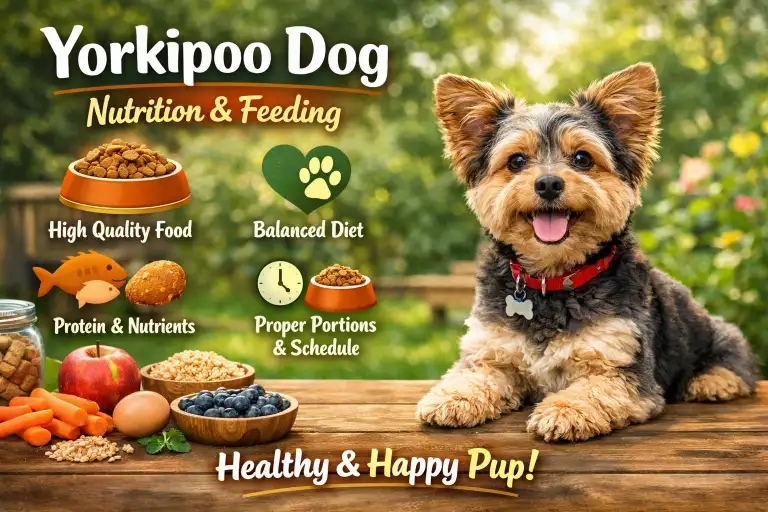
Feeding your Yorkipoo the right diet is one of the most important things you can do to support their health, energy, and longevity. Despite their small size, Yorkipoos have unique nutritional needs due to their mixed lineage, high metabolism, and often sensitive digestive systems. A poorly balanced diet can lead to weight gain, digestive upset, coat problems, or even more serious health issues over time.
Nutrition affects much more than just weight. It impacts your Yorkipoo’s coat quality, immune function, energy levels, and even behavior. For example, low-quality food with insufficient protein or fat can result in a dull coat, lethargy, and reduced alertness, while excess calories without enough exercise can lead to obesity, joint strain, and metabolic issues.
Yorkipoos are small dogs, usually weighing between 4–15 pounds, but their energy needs can vary widely depending on age, activity level, and whether they are spayed or neutered. Puppies, for instance, require nutrient-dense diets rich in protein and fat to support rapid growth and brain development. Adult Yorkipoos need balanced meals that maintain healthy weight, while seniors benefit from diets that support joint health and digestion.
Understanding how nutrition affects your Yorkipoo will help you make informed decisions about what food to choose, how much to feed, and how to manage treats and supplements. This guide will provide practical, veterinarian-aligned advice so that you can confidently support your Yorkipoo’s health, coat, and overall wellbeing.
What to Feed a Yorkipoo: Nutritional Needs and Best Food Choices
Yorkipoos need a balanced diet that gives them energy, supports growth, and keeps their coat shiny. Even though they are small dogs, they burn a lot of energy and can get sick if their food is not right. A good diet has protein, fat, carbs, vitamins, and minerals.
Protein helps build muscles and keeps your Yorkipoo active. Fat gives energy and helps their skin and coat stay healthy. Carbs and fiber help with digestion. Vitamins and minerals make sure the body works properly, including bones, teeth, and the immune system.
It’s important to choose foods that are made for small breeds. You can feed kibble, canned food, fresh-cooked food, freeze-dried, or homemade meals — but each type has pros and cons. Always read the label to make sure the food meets AAFCO standards, which means it has the right nutrients for your dog.
Here is a simple table showing the ideal nutrient ranges for Yorkipoos:
| Nutrient | Recommended Range | Why It Matters |
|---|---|---|
| Protein | 22–30% | Builds muscles, supports energy and growth |
| Fat | 8–15% | Energy source, healthy skin & coat |
| Fiber | 2–4% | Helps digestion and gut health |
| Moisture | 10–12% (dry food) | Keeps food digestible, maintains hydration |
| Vitamins & Minerals | Balanced per AAFCO | Supports bones, teeth, immune system |
Different types of food work better for different Yorkipoos. This table shows the food types and what they are good for:
| Food Type | Benefits | Drawbacks | Best For |
|---|---|---|---|
| Kibble | Easy to store, convenient, good for teeth | Some low-quality brands lack nutrients | Busy owners, adult dogs |
| Canned | High moisture, tasty | Expensive, can spoil faster | Picky eaters, small bites |
| Fresh-Cooked | High quality, customizable | Time-consuming, needs proper recipe | Owners who cook for their dog |
| Freeze-Dried | Nutrient-dense, long shelf-life | Higher cost, prep needed | Travel or supplement meals |
| Raw | Natural protein, high energy | Risk of bacteria, requires careful handling | Active dogs, owners who follow guidelines |
| Homemade | Control ingredients | Must meet nutritional needs | Dogs with allergies or sensitivities |
Choosing the right food and balance will keep your Yorkipoo healthy, happy, and full of energy. Always watch for changes in weight, stool, or coat — these are signs you might need to adjust their diet.
How Much to Feed a Yorkipoo and How Often
Feeding the right amount is very important for your Yorkipoo. Small dogs can gain weight quickly if overfed or become weak if underfed. The amount depends on weight, age, and activity level. Puppies need more calories for growth, adults need enough to maintain weight, and senior dogs need fewer calories to avoid gaining weight.
It is helpful to use Body Condition Score (BCS) to check if your dog is at a healthy weight. You should be able to feel their ribs without pressing too hard, and see a small waist when looking from above.
Here is a simple table showing daily calorie needs for Yorkipoos by weight and activity level:
| Weight (lbs) | Low Activity Calories | Moderate Activity Calories | High Activity Calories |
|---|---|---|---|
| 4 | 180 | 200 | 220 |
| 6 | 210 | 240 | 260 |
| 8 | 240 | 270 | 300 |
| 10 | 270 | 310 | 340 |
| 12 | 300 | 350 | 380 |
| 15 | 330 | 380 | 420 |
Yorkipoos also need to be fed at the right times. Puppies usually eat more often, adults twice a day, and seniors can have smaller meals spread across the day.
Here is a feeding schedule by life stage:
| Life Stage | Meals per Day | Notes |
|---|---|---|
| Puppy (up to 6 months) | 3–4 | High calorie, nutrient-dense food |
| Young Adult (6 months – 7 years) | 2 | Balanced meals to maintain weight |
| Senior (7+ years) | 2 | Lower calories, easy to digest food |
Always adjust portions if your Yorkipoo is more active or less active than average. Watch their weight and energy, and change amounts gradually if needed.
Safe Foods, Treats, and Common Feeding Mistakes for Yorkipoos
Yorkipoos are small and sensitive, so it’s very important to know which foods are safe and which are harmful. Some human foods can be given in small amounts as treats, while others can make your dog sick quickly. Treats should not make up more than 10% of their daily calories to avoid weight gain.
Here is a simple table showing safe and toxic foods for Yorkipoos:
| Food | Safe / Unsafe | Notes |
|---|---|---|
| Carrots | Safe | Great low-calorie snack |
| Apples (no seeds) | Safe | Vitamins, fiber |
| Peanut butter (unsalted, xylitol-free) | Safe | Protein, healthy fat |
| Chicken | Safe | Cooked, plain |
| Chocolate | Unsafe | Toxic, can cause vomiting or heart problems |
| Grapes & Raisins | Unsafe | Can damage kidneys |
| Onion & Garlic | Unsafe | Can cause anemia |
| Avocado | Unsafe | Risk of stomach upset |
Small dogs often face feeding mistakes that can affect their health. Common problems include overfeeding, free-feeding, giving too many table scraps, or switching foods too quickly.
Here is a table for common feeding mistakes and better alternatives:
| Mistake | Why It’s a Problem | What to Do Instead |
|---|---|---|
| Overfeeding | Leads to obesity and joint problems | Measure meals using a scale or cup |
| Free-feeding | Hard to control calories | Feed at set times instead |
| Table scraps | Extra calories, can upset stomach | Give healthy treats in small amounts |
| Rapid food switch | Can cause diarrhea or vomiting | Switch gradually over 7–10 days |
Pay attention to your Yorkipoo’s reactions to treats and food. Watch their weight, energy, and stool. Making small changes gradually helps keep them healthy and happy.
Special Diets, Feeding Problems, and When to See a Vet
Some Yorkipoos have special diet needs or feeding problems. Allergies, sensitive stomachs, weight changes, and picky eating are common. Knowing how to handle these issues helps keep your dog healthy and happy.
Here is a table showing common feeding issues and practical solutions:
| Problem | Possible Cause | First Steps | When to See a Vet |
|---|---|---|---|
| Picky eating | Food flavor, texture, or boredom | Try small changes, mix new food gradually | If dog loses weight or refuses all food |
| Soft stool or diarrhea | Sensitive stomach, food change, or intolerance | Feed bland diet, check recent food changes | If it lasts more than 2–3 days |
| Weight gain | Overfeeding, low activity | Adjust portions, increase exercise | If rapid or unexpected |
| Weight loss | Poor intake, illness | Check food quality, monitor intake | If continues or dog looks weak |
| Allergic reactions | Food allergy or intolerance | Switch to hypoallergenic or novel protein | If itching, vomiting, or diarrhea persists |
| Refusal to eat | Stress, illness, dental issues | Try different food texture, check teeth | If lasts more than 24–48 hours |
Sometimes, home adjustments are enough. Other times, you may need a veterinarian or veterinary nutritionist. They can help choose the right food, suggest supplements, and make sure your Yorkipoo stays healthy.
Always watch your Yorkipoo’s weight, energy, coat, and stool. Small changes in diet or feeding schedule can make a big difference. Being proactive helps prevent serious health problems.
For more detailed guidance on small-breed dog nutrition, you can visit the American Kennel Club (AKC) dog nutrition page.

Ata Ur Rehman is the founder of Pet Age in Human Years Calculator, an educational platform that provides age conversion charts and lifespan guides for dogs, cats, birds, and other companion animals. His work focuses on helping pet owners understand how animal ages translate into human years using commonly accepted age conversion formulas and published lifespan averages.
The website compiles breed and species lifespan data from kennel clubs, breed organizations, and general animal lifespan studies to present simple and easy-to-understand guides for pet owners worldwide.
This website was created to centralize animal age conversion charts into one easy reference platform for pet owners.