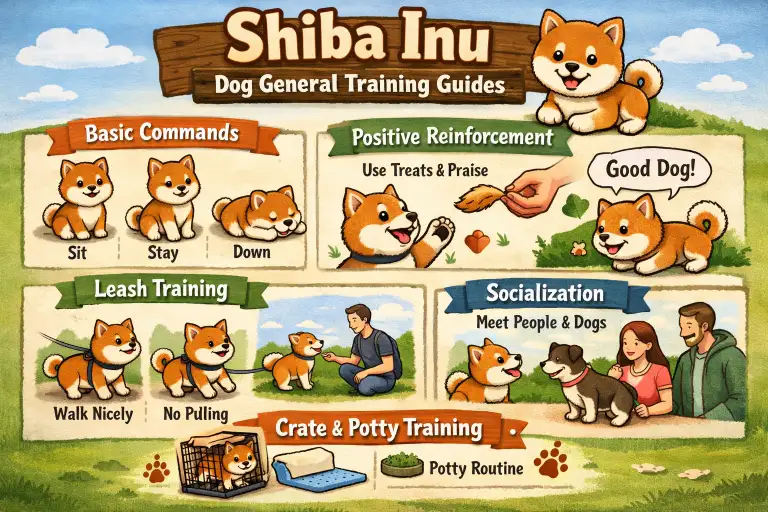
Shiba Inu training starts with understanding who this dog is, not forcing them to act like a Golden Retriever. Shibas are small, intelligent, alert, and highly self-directed dogs. They learn quickly—but only when they see a reason to cooperate. This is why many owners describe them as “stubborn,” when in reality they are selective problem-solvers.
Shiba Inus were originally bred for independent hunting. That history still shows up in modern homes as strong decision-making instincts, high environmental awareness, and a tendency to question commands that don’t feel worthwhile. A small Shiba Inu may live in an apartment and look compact, but mentally, they are wired for autonomy. Training that relies on repetition, pressure, or physical correction often fails with this breed and can damage trust.
Another key difference is emotional sensitivity. Shibas are not soft dogs, but they are quick to disengage if training feels unfair, boring, or stressful. Once a Shiba checks out mentally, progress stalls. This makes timing, reward choice, and session structure far more important than sheer consistency alone.
Small Shiba Inu owners often underestimate how much structure these dogs need because of their size. In reality, lack of training boundaries leads to:
- Selective listening indoors vs outdoors
- Leash refusal or sudden freezing
- Resource guarding and avoidance behaviors
- Poor recall driven by prey interest
Successful Shiba Inu training focuses on motivation, clarity, and short wins, not dominance or force. When training respects the breed’s independence while providing clear rules and valuable rewards, Shibas become reliable, focused, and surprisingly responsive companions.
How Shiba Inu Learn: Behavior Science Owners Must Understand
Shiba Inus learn differently than many other dogs. They are smart and independent, which means they think before they act. To train them successfully, owners need to know how their brain works and use methods that make sense to the dog.
Shibas respond best to positive reinforcement. This means rewarding good behavior with treats, toys, or praise, instead of punishing mistakes. Rewards must be timed right—immediately after the behavior—so the dog connects the action with the reward.
Consistency is key, but repetition alone doesn’t work. Shibas need short, fun sessions that fit their attention span. Training for 5–10 minutes a few times a day is far more effective than long sessions that bore them.
Here is a simple table to make this clear:
| Learning Concept | How it Works for Shiba Inu | Quick Tip for Owners |
|---|---|---|
| Positive Reinforcement | Reward good behavior immediately | Use high-value treats your dog loves |
| Motivation | Shibas respond when they see value | Choose rewards based on dog’s preferences |
| Repetition | Short, frequent sessions | 5–10 minutes, 2–4 times per day |
| Attention Span | Independent dogs check out easily | Keep sessions fun, stop before boredom |
| Behavior Shaping | Reward small steps toward goal | Break big tasks into tiny steps |
Understanding these basics prevents frustration and helps owners train smarter, not harder. Shibas are not stubborn out of spite—they are thinking dogs who need clear guidance and meaningful rewards.
Step-by-Step Shiba Inu Training Method (Puppies & Adults)
Training a Shiba Inu works best when you follow clear steps that fit both puppies and adult dogs. The key is short sessions, clear cues, and consistent rewards. Here’s a guide you can follow at home.
Start with the basics, then gradually move to more advanced skills. Keep sessions 5–10 minutes long, 2–4 times a day, and always end on a positive note.
| Step | What to Teach | How to Do It | Tips for Puppies | Tips for Adults |
|---|---|---|---|---|
| 1 | Name Recognition | Say the dog’s name, reward when they look at you | Use treats and praise | Use higher-value rewards if they ignore you |
| 2 | Sit | Hold treat above nose, move back, reward when sit | Practice 3–5 times per session | Be patient; adults may take longer to follow |
| 3 | Come / Recall | Call name, reward when dog comes | Use leash if needed | Start indoors, then move outside slowly |
| 4 | Loose Leash Walking | Stop when pulling, reward walking next to you | Use short walks | Adults may need more repetition |
| 5 | Leave It / Drop | Show treat, say “leave it,” reward ignoring | Start with low-value items | Gradually increase difficulty |
Daily training flow example:
| Session | Focus | Duration |
|---|---|---|
| Morning | Basic cues (sit, name) | 5–7 min |
| Midday | Recall and impulse control | 5 min |
| Evening | Fun tricks or leash walk | 5–10 min |
Remember:
- Puppies need more praise and small rewards
- Adults may need higher-value treats or favorite toys
- Always stay calm and positive; frustration will make Shibas check out
Common Shiba Inu Training Problems and How to Fix Them
Shiba Inus are smart, but sometimes they act stubborn, ignore commands, or pull on the leash. Most problems happen because the dog doesn’t understand what you want or isn’t motivated enough. The key is to stay calm, be consistent, and use rewards effectively.
Here are the most common problems and simple fixes:
| Problem | Likely Cause | How to Fix |
|---|---|---|
| Won’t Come When Called | Too distracted, low motivation | Use high-value treats, practice in a quiet space, gradually increase distractions |
| Ignores Commands | Commands unclear or inconsistent | Use one clear word per command, reward immediately when followed |
| Leash Pulling | Excited or wants to explore | Stop walking when pulling, reward loose leash walking, short frequent walks |
| Freezing / Refusal | Fear or stubbornness | Use patience, lure with treats, practice in small steps |
| Resource Guarding | Protecting toys, food, or space | Teach “leave it” or “drop it,” reward sharing, never punish |
Tips to prevent problems:
- Keep training short and fun
- Always reward desired behavior immediately
- Avoid repeating commands too many times without success
- Adjust rewards and difficulty to your dog’s age and energy
When to Seek Professional Help for Shiba Inu Training
Sometimes, even with patience and consistency, a Shiba Inu may have behaviors that need extra help. Knowing when to get professional support keeps your dog safe and makes training more effective.
Here are situations where you should consider a professional:
| Situation | Why It Matters | What to Do |
|---|---|---|
| Aggression toward people or dogs | Can lead to bites or fights | Contact a certified dog trainer or veterinary behaviorist |
| Fear or anxiety that causes shutdowns | Dog avoids training or daily activities | Use a behaviorist to guide desensitization and confidence-building |
| Repeated recall failures | Dog ignores safety commands outdoors | Work with a trainer to create structured recall exercises |
| Severe resource guarding | Protects food, toys, or space aggressively | Seek a behaviorist for safe, step-by-step training |
| Owners feel overwhelmed | Stress can worsen behavior | Trainer can provide guidance, support, and structured plan |
Tips for choosing a professional:
- Look for certified trainers (e.g., CPDT-KA, CBCC-KA)
- Ask for experience with independent breeds like Shiba Inu
- Avoid trainers who use punishment-based methods
- Ask for a trial session to see if their style matches your dog
“For more detailed information about this breed, visit the American Kennel Club’s official breed page.”

Ata Ur Rehman is the founder of Pet Age in Human Years Calculator, an educational platform that provides age conversion charts and lifespan guides for dogs, cats, birds, and other companion animals. His work focuses on helping pet owners understand how animal ages translate into human years using commonly accepted age conversion formulas and published lifespan averages.
The website compiles breed and species lifespan data from kennel clubs, breed organizations, and general animal lifespan studies to present simple and easy-to-understand guides for pet owners worldwide.
This website was created to centralize animal age conversion charts into one easy reference platform for pet owners.