Birman Cat Cost of Ownership and Lifetime Expenses
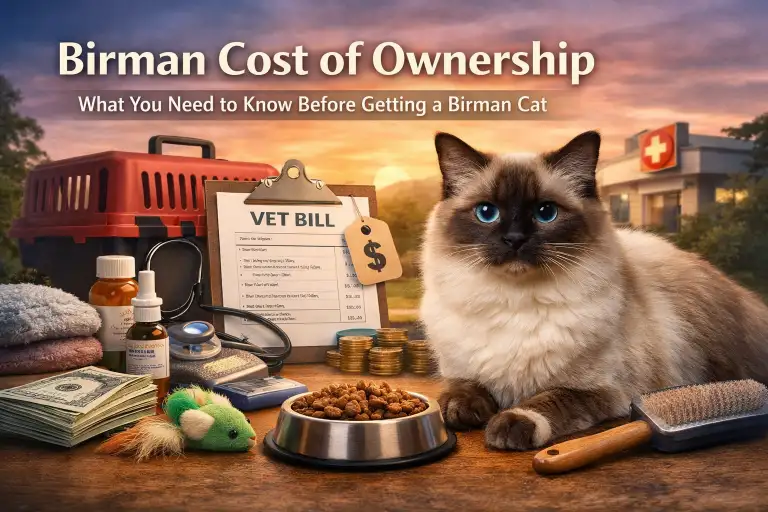
The true cost of owning a Birman cat is not just about the upfront price or the monthly food bill—it’s about understanding the long-term financial responsibility that comes with this breed. Many people underestimate cat ownership costs because cats are often perceived as “low-maintenance” pets. In reality, a Birman’s lifetime expenses can be substantial, especially when proper veterinary care, quality nutrition, and long-term planning are taken seriously.
Recommended Dog Care Products
Based on your dog’s age, these products may help with comfort, health, grooming, and daily care.

Purina Pro Plan Veterinary Supplements
Daily probiotics for dogs to support digestive and gut health.
View on Amazon ↗
Earth Rated Poop Bags for Dogs
Leak-proof, extra thick waste bag refill rolls with lavender scent.
View on Amazon ↗
Greenies Pill Pockets for Dogs
Large dog treats for capsule medication, peanut butter flavor.
View on Amazon ↗
HONEY CARE All-Absorb Dog Wrap
Small male dog wraps, 50 count, useful for daily care support.
View on Amazon ↗
Seresto Flea & Tick Collar
Flea and tick treatment and prevention for dogs over 18 lbs.
View on Amazon ↗
Milk-Bone MaroSnacks
Small dog treats with real bone marrow in a 40 oz canister.
View on Amazon ↗
Vital Essentials Dog Treats
Freeze dried beef liver dog treats, grain free and single ingredient.
View on Amazon ↗
Stain & Odor Eliminator
Enzyme cleaner for pet stains, carpet messes, and strong odors.
View on Amazon ↗
Pur Luv Chicken Jerky Treats
Dog treats made with real chicken breast, high protein and chew-friendly.
View on Amazon ↗
Milk-Bone Flavor Snacks
Mini crunchy dog biscuits in a 36 oz canister for small rewards.
View on Amazon ↗As an Amazon Associate, we may earn from qualifying purchases.
Birman cats are generally healthy and even-tempered, but their long lifespan means costs accumulate steadily over many years. Expenses are influenced by multiple factors, including whether the cat is kept strictly indoors, the quality of care chosen, how proactive the owner is with preventive health, and how well unexpected costs are planned for. While some owners manage comfortably on a modest monthly budget, others experience sharp cost increases due to illness, aging, or lifestyle changes.
It’s also important to separate predictable costs from surprise expenses. Food, litter, and routine veterinary care are relatively easy to plan for. Emergency vet visits, chronic health conditions later in life, travel arrangements, or household changes are where budgets are most often strained. These aren’t rare edge cases—they are common realities over a cat’s lifetime.
This guide does not assume the cheapest or the most expensive path. Instead, it focuses on realistic cost ranges, explaining what drives expenses up or down and where owners tend to miscalculate. The goal is not to discourage ownership, but to help you decide—honestly and responsibly—whether a Birman fits your current and future financial situation.
Understanding the full picture upfront is one of the most important steps in ethical pet ownership.
One-Time and Early Setup Costs for a Birman
Before a Birman cat settles into daily life, there are one-time and early costs that every owner should plan for. These expenses happen at the beginning, but they often feel expensive because many occur close together.
Some Birmans come from breeders, while others are rehomed or adopted. No matter where the cat comes from, there are still basic setup and health costs that cannot be avoided if you want to care for the cat responsibly.
To make this easy to understand, the costs below are grouped by purpose rather than by brand or exact price.
One-time Birman cat setup costs (overview)
| Cost category | What this includes | Why it matters |
|---|---|---|
| Acquisition or adoption | Purchase fee or adoption cost | Ethical sourcing and early care often affect long-term health |
| Initial vet visit | Health check, basic tests, vaccines | Confirms the cat is healthy and starts medical records |
| Spay or neuter | Surgery if not already done | Prevents health and behavior problems later |
| Litter setup | Litter box, scoop, mat | Basic hygiene and daily comfort |
| Feeding supplies | Food bowls, water bowl or fountain | Supports proper eating and hydration |
| Sleeping and comfort | Bed, blanket, safe resting area | Helps reduce stress in a new home |
| Scratching and play | Scratching post, toys | Protects furniture and supports mental health |
| Grooming basics | Brush, nail clippers | Keeps coat and nails healthy from day one |
Important things new Birman owners often overlook
Many first-time Birman owners budget only for the cat itself and forget that setup costs can quickly add up. Even choosing basic, good-quality items instead of luxury products still requires planning.
Recommended Dog Care Products
Based on your dog’s age, these products may help with comfort, health, grooming, and daily care.
Purina Pro Plan Veterinary Supplements
Daily probiotics for dogs to support digestive and gut health.
View on Amazon ↗
Earth Rated Poop Bags for Dogs
Leak-proof, extra thick waste bag refill rolls with lavender scent.
View on Amazon ↗
Greenies Pill Pockets for Dogs
Large dog treats for capsule medication, peanut butter flavor.
View on Amazon ↗
HONEY CARE All-Absorb Dog Wrap
Small male dog wraps, 50 count, useful for daily care support.
View on Amazon ↗
Seresto Flea & Tick Collar
Flea and tick treatment and prevention for dogs over 18 lbs.
View on Amazon ↗
Milk-Bone MaroSnacks
Small dog treats with real bone marrow in a 40 oz canister.
View on Amazon ↗
Vital Essentials Dog Treats
Freeze dried beef liver dog treats, grain free and single ingredient.
View on Amazon ↗
Stain & Odor Eliminator
Enzyme cleaner for pet stains, carpet messes, and strong odors.
View on Amazon ↗
Pur Luv Chicken Jerky Treats
Dog treats made with real chicken breast, high protein and chew-friendly.
View on Amazon ↗
Milk-Bone Flavor Snacks
Mini crunchy dog biscuits in a 36 oz canister for small rewards.
View on Amazon ↗As an Amazon Associate, we may earn from qualifying purchases.
Another common mistake is assuming a kitten will come fully vaccinated or already neutered. Some do, some don’t. When they don’t, these medical costs arrive early and can feel unexpected if they weren’t planned for.
Housing also matters. Renters may need to pay a pet deposit or pet fee, which is a real cost tied directly to ownership. This isn’t a cat expense in the traditional sense, but it affects your total budget.
Why these costs matter long term
These early expenses are not just about comfort—they affect health, behavior, and stress levels. Skipping or delaying them often leads to higher costs later, especially in veterinary care or behavior-related problems.
Planning for these costs upfront makes the rest of cat ownership much smoother and less stressful.
Ongoing Monthly and Annual Birman Cat Expenses
After the early setup is done, most Birman ownership costs become regular and ongoing. These are the expenses you pay month after month and year after year. Planning for them is very important, because even small monthly costs add up over time.
Average monthly costs for a Birman cat
| Expense type | What it covers | Why it’s needed |
|---|---|---|
| Food | Dry food, wet food, treats | Good food supports long-term health |
| Litter | Clumping or non-clumping litter | Clean litter helps prevent behavior and health issues |
| Grooming basics | Brushes, nail trims | Keeps coat neat and reduces hair buildup |
| Toys and enrichment | Toys, scratchers, replacements | Prevents boredom and stress |
| Miscellaneous supplies | Cleaning products, replacements | Normal wear and tear items |
These costs are usually steady and predictable, which makes them easier to plan for. However, they can increase if food quality changes or if the cat has special needs.
Annual and periodic Birman cat expenses
Some costs do not happen every month, but they still happen regularly and must be planned for.
| Expense type | How often it happens | Why it matters |
|---|---|---|
| Routine vet visits | Once or twice a year | Helps catch health issues early |
| Vaccinations | Yearly or as advised | Protects against preventable diseases |
| Parasite prevention | Seasonal or year-round | Helps prevent fleas, worms, and ticks |
| Dental care | Occasional | Dental problems can be painful and costly |
| Pet sitting or boarding | As needed | Needed during travel or emergencies |
Many owners forget to divide these yearly costs into monthly savings. When that happens, vet visits can feel expensive even though they are expected and normal.
Recommended Dog Care Products
Based on your dog’s age, these products may help with comfort, health, grooming, and daily care.
Purina Pro Plan Veterinary Supplements
Daily probiotics for dogs to support digestive and gut health.
View on Amazon ↗
Earth Rated Poop Bags for Dogs
Leak-proof, extra thick waste bag refill rolls with lavender scent.
View on Amazon ↗
Greenies Pill Pockets for Dogs
Large dog treats for capsule medication, peanut butter flavor.
View on Amazon ↗
HONEY CARE All-Absorb Dog Wrap
Small male dog wraps, 50 count, useful for daily care support.
View on Amazon ↗
Seresto Flea & Tick Collar
Flea and tick treatment and prevention for dogs over 18 lbs.
View on Amazon ↗
Milk-Bone MaroSnacks
Small dog treats with real bone marrow in a 40 oz canister.
View on Amazon ↗
Vital Essentials Dog Treats
Freeze dried beef liver dog treats, grain free and single ingredient.
View on Amazon ↗
Stain & Odor Eliminator
Enzyme cleaner for pet stains, carpet messes, and strong odors.
View on Amazon ↗
Pur Luv Chicken Jerky Treats
Dog treats made with real chicken breast, high protein and chew-friendly.
View on Amazon ↗
Milk-Bone Flavor Snacks
Mini crunchy dog biscuits in a 36 oz canister for small rewards.
View on Amazon ↗As an Amazon Associate, we may earn from qualifying purchases.
How costs change as a Birman ages
Birman cats often live long lives. As they grow older, costs usually increase slowly rather than all at once. Senior cats may need:
- More vet checkups
- Special food
- Extra dental care
These are not signs of poor health—they are part of normal aging and should be planned for early.
Why planning ahead makes ownership easier
Ongoing costs are not about buying the most expensive products. They are about being consistent. Regular food, clean litter, and routine vet care help prevent bigger problems that cost more later.
Owners who plan monthly and yearly costs together usually feel less stress and enjoy their cat more.
Unexpected, Emergency, and Long-Term Costs to Plan For
Even with careful planning, some Birman cat expenses are unpredictable. These include accidents, illnesses, or sudden lifestyle needs. Knowing what to expect helps you stay prepared and avoid stress when surprises happen.
Many new owners think these costs are rare, but over a cat’s lifetime, most cats will need some extra care at least once. Planning for these costs in advance keeps your cat safe and your budget manageable.
Common unexpected and emergency costs
| Scenario | What it may cost | How often it happens |
|---|---|---|
| Minor illness | Vet visit, tests, medication | Occasionally |
| Accidents | Emergency vet, hospitalization | Rare but possible |
| Chronic conditions | Ongoing medicine or treatment | Happens more with older cats |
| Travel or boarding emergencies | Temporary care when you’re away | As needed |
| Home or environment changes | Replacement toys, litter, bedding | Occasionally |
These costs vary depending on the cat’s age, health, and environment. Indoor Birmans usually have fewer accidents, but illness can still occur. Outdoor exposure increases the likelihood of injuries or infections.
Recommended Dog Care Products
Based on your dog’s age, these products may help with comfort, health, grooming, and daily care.
Purina Pro Plan Veterinary Supplements
Daily probiotics for dogs to support digestive and gut health.
View on Amazon ↗
Earth Rated Poop Bags for Dogs
Leak-proof, extra thick waste bag refill rolls with lavender scent.
View on Amazon ↗
Greenies Pill Pockets for Dogs
Large dog treats for capsule medication, peanut butter flavor.
View on Amazon ↗
HONEY CARE All-Absorb Dog Wrap
Small male dog wraps, 50 count, useful for daily care support.
View on Amazon ↗
Seresto Flea & Tick Collar
Flea and tick treatment and prevention for dogs over 18 lbs.
View on Amazon ↗
Milk-Bone MaroSnacks
Small dog treats with real bone marrow in a 40 oz canister.
View on Amazon ↗
Vital Essentials Dog Treats
Freeze dried beef liver dog treats, grain free and single ingredient.
View on Amazon ↗
Stain & Odor Eliminator
Enzyme cleaner for pet stains, carpet messes, and strong odors.
View on Amazon ↗
Pur Luv Chicken Jerky Treats
Dog treats made with real chicken breast, high protein and chew-friendly.
View on Amazon ↗
Milk-Bone Flavor Snacks
Mini crunchy dog biscuits in a 36 oz canister for small rewards.
View on Amazon ↗As an Amazon Associate, we may earn from qualifying purchases.
Why long-term planning matters
Unexpected costs are easier to handle if you set aside a small emergency fund each month. Even saving a little regularly can cover surprise vet visits or urgent care.
Some owners underestimate long-term costs for aging cats. As Birmans get older, they may need:
- Extra vet checkups
- Special diets
- Dental care or joint supplements
By thinking ahead, you reduce the chance that your cat’s care will be compromised when emergencies happen.
Tips for staying prepared
- Track monthly savings for unexpected costs
- Schedule regular vet checkups to catch problems early
- Keep a list of local vets or emergency clinics
- Plan for travel and boarding needs in advance
Being prepared doesn’t prevent emergencies, but it keeps you ready financially and mentally to handle them calmly.
Lifetime Cost of Owning a Birman — Can You Afford One Responsibly?
Owning a Birman cat is a long-term commitment. These cats often live 12 to 16 years or more, which means costs add up over time. Looking at lifetime costs helps you understand the total financial responsibility before making a decision.
Lifetime costs are not exact—they are estimates. Every cat and household is different, so think of these numbers as planning ranges rather than fixed amounts.
Estimated lifetime cost breakdown
| Cost type | Low estimate | Average estimate | High estimate | Notes |
|---|---|---|---|---|
| One-time setup | $400 | $700 | $1,200 | Includes adoption, initial vet care, and supplies |
| Monthly expenses | $40/month | $60/month | $100/month | Food, litter, grooming, toys |
| Annual vet & preventive care | $150/year | $250/year | $500/year | Checkups, vaccines, parasite prevention |
| Unexpected & emergency | $100/year | $300/year | $1,000/year | Illness, injury, travel, boarding |
| Total lifetime (15 years) | ~$9,000 | ~$14,000 | ~$28,000 | Combines setup, monthly, annual, and emergency costs |
These ranges show how ownership style, care level, and emergencies affect costs. A minimalist approach with basic care will stay closer to the low end. High-care owners, or cats with health issues, may reach the high end.
Factors that change lifetime costs
- Indoor vs outdoor lifestyle: outdoor cats may have higher vet and accident costs
- Single vs multi-cat households: sharing food, litter, and toys can reduce costs per cat
- Aging and chronic conditions: older Birmans may need special food or more frequent vet visits
- Regional cost differences: veterinary prices and supplies vary by location
Why this helps you decide responsibly
Looking at lifetime costs upfront ensures you can afford consistent care throughout your Birman’s life. Planning with realistic ranges makes it easier to save, avoid debt, and provide a healthy, happy life for your cat.
For more detailed information on Birman cat care, breed standards, and health recommendations, you can check out the Cat Fanciers’ Association website here.

Ata Ur Rehman is the founder of Pet Age in Human Years Calculator, an educational platform that provides age conversion charts and lifespan guides for dogs, cats, birds, and other companion animals. His work focuses on helping pet owners understand how animal ages translate into human years using commonly accepted age conversion formulas and published lifespan averages.
The website compiles breed and species lifespan data from kennel clubs, breed organizations, and general animal lifespan studies to present simple and easy-to-understand guides for pet owners worldwide.
This website was created to centralize animal age conversion charts into one easy reference platform for pet owners.