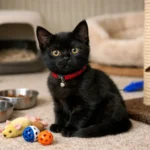
Birman Kitten Care Guide for Growth and Early Health
Bringing home a Birman kitten is usually a calmer, gentler experience than many first-time cat owners expect — but it still comes with an adjustment period for both you and your kitten. Birmans are known for their affectionate nature, soft personalities, and strong attachment to people, which means early care is less about “managing behavior” and more about helping your kitten feel safe, understood, and settled.
Recommended Dog Care Products
Based on your dog’s age, these products may help with comfort, health, grooming, and daily care.

Purina Pro Plan Veterinary Supplements
Daily probiotics for dogs to support digestive and gut health.
View on Amazon ↗
Earth Rated Poop Bags for Dogs
Leak-proof, extra thick waste bag refill rolls with lavender scent.
View on Amazon ↗
Greenies Pill Pockets for Dogs
Large dog treats for capsule medication, peanut butter flavor.
View on Amazon ↗
HONEY CARE All-Absorb Dog Wrap
Small male dog wraps, 50 count, useful for daily care support.
View on Amazon ↗
Seresto Flea & Tick Collar
Flea and tick treatment and prevention for dogs over 18 lbs.
View on Amazon ↗
Milk-Bone MaroSnacks
Small dog treats with real bone marrow in a 40 oz canister.
View on Amazon ↗
Vital Essentials Dog Treats
Freeze dried beef liver dog treats, grain free and single ingredient.
View on Amazon ↗
Stain & Odor Eliminator
Enzyme cleaner for pet stains, carpet messes, and strong odors.
View on Amazon ↗
Pur Luv Chicken Jerky Treats
Dog treats made with real chicken breast, high protein and chew-friendly.
View on Amazon ↗
Milk-Bone Flavor Snacks
Mini crunchy dog biscuits in a 36 oz canister for small rewards.
View on Amazon ↗As an Amazon Associate, we may earn from qualifying purchases.
Birman kittens tend to mature more slowly than some other breeds. Many are quiet observers at first, especially during their first days in a new home. This hesitation is normal. A Birman kitten may follow you from room to room, watch quietly instead of immediately playing, or seek out close contact rather than constant activity. These are not signs of fear or illness — they are typical early bonding behaviors for this breed.
New owners are often surprised by how people-focused Birman kittens are. They usually prefer being near you rather than being alone, even if they are not demanding attention every moment. Because of this, consistency and routine matter more than stimulation or constant interaction. Calm voices, predictable feeding times, and gentle handling help Birman kittens build confidence quickly.
It’s also important to set realistic expectations early. Your kitten will sleep a lot, grow in spurts, and occasionally seem clingy or unusually quiet. None of this means you are doing something wrong. Birman kittens thrive when their environment feels peaceful and emotionally secure rather than busy or chaotic.
Most importantly, remember that kitten care is not about perfection. If your Birman kitten is eating, using the litter box, sleeping comfortably, and gradually becoming more curious, you are already meeting their core needs. The goal in these early weeks is not to “train” your kitten, but to create a foundation of trust, safety, and routine that will shape their temperament for years to come.
Feeding, Growth, and Daily Care Needs
Feeding your Birman kitten correctly is one of the most important parts of early care, but it does not need to feel confusing or stressful. At this stage, your goal is simple: support steady growth, good energy levels, and a healthy routine.
Birman kittens usually have a gentle appetite. Some eat eagerly, while others take their time. Both can be normal. What matters most is consistency — feeding at the same times each day and offering food made for kittens, not adult cats.
Most Birman kittens do best with multiple small meals spread throughout the day. Their bodies are growing quickly, and smaller meals are easier to digest. Always provide fresh water in a clean bowl and keep it in a quiet area away from the litter box.
Daily care is not just about food. It also includes quick checks that help you notice changes early, such as energy level, appetite, and litter box use. These small observations help you understand what is normal for your kitten.
Birman Kitten Feeding Guide by Age
Recommended Dog Care Products
Based on your dog’s age, these products may help with comfort, health, grooming, and daily care.
Purina Pro Plan Veterinary Supplements
Daily probiotics for dogs to support digestive and gut health.
View on Amazon ↗
Earth Rated Poop Bags for Dogs
Leak-proof, extra thick waste bag refill rolls with lavender scent.
View on Amazon ↗
Greenies Pill Pockets for Dogs
Large dog treats for capsule medication, peanut butter flavor.
View on Amazon ↗
HONEY CARE All-Absorb Dog Wrap
Small male dog wraps, 50 count, useful for daily care support.
View on Amazon ↗
Seresto Flea & Tick Collar
Flea and tick treatment and prevention for dogs over 18 lbs.
View on Amazon ↗
Milk-Bone MaroSnacks
Small dog treats with real bone marrow in a 40 oz canister.
View on Amazon ↗
Vital Essentials Dog Treats
Freeze dried beef liver dog treats, grain free and single ingredient.
View on Amazon ↗
Stain & Odor Eliminator
Enzyme cleaner for pet stains, carpet messes, and strong odors.
View on Amazon ↗
Pur Luv Chicken Jerky Treats
Dog treats made with real chicken breast, high protein and chew-friendly.
View on Amazon ↗
Milk-Bone Flavor Snacks
Mini crunchy dog biscuits in a 36 oz canister for small rewards.
View on Amazon ↗As an Amazon Associate, we may earn from qualifying purchases.
| Kitten Age | Meals Per Day | What to Expect |
|---|---|---|
| 8–12 weeks | 3–4 meals | Fast growth, high energy bursts, lots of sleep |
| 3–6 months | 3 meals | Strong appetite, steady weight gain |
| 6–12 months | 2–3 meals | Slower growth, more predictable eating |
As your Birman kitten grows, their body shape will change gradually. They are a medium-to-large breed, so slow, steady growth is normal. Avoid overfeeding just because your kitten seems calm or less active than other breeds.
Daily Care Basics for Birman Kittens
| Daily Need | Why It Matters |
|---|---|
| Regular meals | Supports healthy growth |
| Fresh water | Prevents dehydration |
| Clean litter box | Encourages good bathroom habits |
| Gentle playtime | Builds strength and confidence |
| Quiet rest time | Helps emotional security |
New owners often worry that their Birman kitten eats “too little” or sleeps “too much.” In most cases, these are normal kitten behaviors, especially for this calm breed. As long as your kitten eats daily, gains weight, and stays curious, you are doing well.
Birman Kitten Behavior, Sleep, and Play
Birman kittens are known for being gentle and calm, but they are still kittens. Their behavior can change quickly from quiet cuddling to short bursts of play. This mix is normal and healthy.
Most Birman kittens sleep a lot during the day. It is common for them to sleep 16 to 20 hours in a day. Sleep helps their bodies grow and their brains develop. Long naps do not mean your kitten is bored or unhappy.
When your Birman kitten is awake, playtime may look soft and slow at first. Some kittens watch before they join in. Others prefer gentle games instead of fast chasing. This does not mean your kitten is lazy. Birmans simply enjoy calm play more than rough play.
Short play sessions spread across the day work best. Use toys that let your kitten jump, stretch, and grab safely. Avoid using your hands as toys, even if it seems cute. This helps prevent biting habits later.
Normal Birman Kitten Behaviors vs Owner Worries
| What You See | What It Usually Means |
|---|---|
| Sleeping most of the day | Normal kitten growth |
| Following you quietly | Strong bonding behavior |
| Gentle play style | Typical Birman temperament |
| Sudden energy bursts | Healthy kitten activity |
| Light biting during play | Learning boundaries |
Nighttime activity can surprise new owners. Your kitten may want to play early in the morning or late at night. A short play session before bedtime often helps them sleep longer.
Scratching is also normal behavior. Your Birman kitten is not being bad. Scratching helps stretch muscles and keep claws healthy. Providing scratching posts early makes a big difference.
Recommended Dog Care Products
Based on your dog’s age, these products may help with comfort, health, grooming, and daily care.
Purina Pro Plan Veterinary Supplements
Daily probiotics for dogs to support digestive and gut health.
View on Amazon ↗
Earth Rated Poop Bags for Dogs
Leak-proof, extra thick waste bag refill rolls with lavender scent.
View on Amazon ↗
Greenies Pill Pockets for Dogs
Large dog treats for capsule medication, peanut butter flavor.
View on Amazon ↗
HONEY CARE All-Absorb Dog Wrap
Small male dog wraps, 50 count, useful for daily care support.
View on Amazon ↗
Seresto Flea & Tick Collar
Flea and tick treatment and prevention for dogs over 18 lbs.
View on Amazon ↗
Milk-Bone MaroSnacks
Small dog treats with real bone marrow in a 40 oz canister.
View on Amazon ↗
Vital Essentials Dog Treats
Freeze dried beef liver dog treats, grain free and single ingredient.
View on Amazon ↗
Stain & Odor Eliminator
Enzyme cleaner for pet stains, carpet messes, and strong odors.
View on Amazon ↗
Pur Luv Chicken Jerky Treats
Dog treats made with real chicken breast, high protein and chew-friendly.
View on Amazon ↗
Milk-Bone Flavor Snacks
Mini crunchy dog biscuits in a 36 oz canister for small rewards.
View on Amazon ↗As an Amazon Associate, we may earn from qualifying purchases.
Simple Play and Sleep Tips
| Tip | Why It Helps |
|---|---|
| Play before sleep | Reduces night activity |
| Use wand toys | Keeps hands safe |
| Keep routines | Builds confidence |
| Let naps happen | Supports growth |
If your Birman kitten seems calm compared to other kittens, that is okay. Calm does not mean unhappy. As long as your kitten eats well, uses the litter box, and plays a little each day, their behavior is likely normal.
Grooming, Hygiene, and Health Basics
Birman kittens have soft, semi-long coats that feel silky and need gentle care. Grooming is not difficult if you start slowly and make it positive. Brushing a few times a week prevents tangles and keeps the coat shiny. Use a soft brush designed for kittens, and let your kitten sniff and play with it first.
Litter box habits are part of hygiene. Make sure the box is clean and in a quiet spot. Most Birman kittens learn quickly if the area is consistent and easy to access.
Eye and ear checks should be done gently a few times a week. Wipe away minor debris with a soft, damp cloth. Avoid using any products unless recommended by your veterinarian.
Early vet visits help track growth, weight, and overall development. Your kitten may be checked for common kitten health concerns and get guidance on nutrition and routine care. These visits are for prevention, not treatment, so there is no need to worry.
Birman Kitten Grooming Schedule
| Grooming Task | How Often | Notes |
|---|---|---|
| Brushing coat | 2–3 times per week | Use a soft, kitten-friendly brush |
| Litter box cleaning | Daily | Keep area quiet and private |
| Eye/ear check | 2–3 times per week | Look for dirt, mild discharge |
| Nail check | Every 1–2 weeks | Trim only if comfortable |
Health and Daily Hygiene Checks
| Check | Why It Matters |
|---|---|
| Weight tracking | Ensures proper growth |
| Appetite observation | Detects early problems |
| Energy level | Normal vs unusual activity |
| Coat and skin | Healthy, shiny coat shows good nutrition |
Gentle, consistent care helps Birman kittens feel safe and loved. These simple routines also make grooming and vet visits easier as your kitten grows.
Creating a Safe, Happy Home for a Birman Kitten
Birman kittens are curious and gentle, but they still need a safe space to explore. Making your home kitten-friendly helps prevent accidents and gives your kitten confidence to grow happily.
Recommended Dog Care Products
Based on your dog’s age, these products may help with comfort, health, grooming, and daily care.
Purina Pro Plan Veterinary Supplements
Daily probiotics for dogs to support digestive and gut health.
View on Amazon ↗
Earth Rated Poop Bags for Dogs
Leak-proof, extra thick waste bag refill rolls with lavender scent.
View on Amazon ↗
Greenies Pill Pockets for Dogs
Large dog treats for capsule medication, peanut butter flavor.
View on Amazon ↗
HONEY CARE All-Absorb Dog Wrap
Small male dog wraps, 50 count, useful for daily care support.
View on Amazon ↗
Seresto Flea & Tick Collar
Flea and tick treatment and prevention for dogs over 18 lbs.
View on Amazon ↗
Milk-Bone MaroSnacks
Small dog treats with real bone marrow in a 40 oz canister.
View on Amazon ↗
Vital Essentials Dog Treats
Freeze dried beef liver dog treats, grain free and single ingredient.
View on Amazon ↗
Stain & Odor Eliminator
Enzyme cleaner for pet stains, carpet messes, and strong odors.
View on Amazon ↗
Pur Luv Chicken Jerky Treats
Dog treats made with real chicken breast, high protein and chew-friendly.
View on Amazon ↗
Milk-Bone Flavor Snacks
Mini crunchy dog biscuits in a 36 oz canister for small rewards.
View on Amazon ↗As an Amazon Associate, we may earn from qualifying purchases.
Start by removing hazards like loose cords, small objects that can be swallowed, and poisonous plants. Keep windows and balconies secure. A few cozy spots like soft beds or blankets let your kitten rest safely. Vertical spaces, like cat trees or shelves, give a Birman kitten fun places to climb and watch the world.
Indoor living is best for Birmans because it keeps them safe from traffic, predators, and illness. Socialization is also important. Gentle introductions to family members, other pets, and new sights or sounds help your kitten feel comfortable. Take it slow — let the kitten approach at its own pace.
Play and interaction are part of a happy home. Short play sessions with toys build confidence and help your kitten exercise without overwhelming them. Routine matters more than long hours of play. Birman kittens feel secure when meals, play, and rest happen at similar times each day.
Birman Kitten Home Safety Checklist
| Area | Action |
|---|---|
| Electrical cords | Cover or tuck away |
| Small objects | Remove from floor |
| Windows & balconies | Secure or limit access |
| Soft resting spots | Provide 2–3 cozy areas |
| Scratching posts | Place in main rooms |
| Toys | Safe, non-chewable for teeth |
Daily Home Care Tips
| Task | Why It Helps |
|---|---|
| Check environment | Prevents accidents |
| Gentle play sessions | Builds strength and trust |
| Keep routine | Reduces stress |
| Clean litter box | Encourages bathroom habits |
Following these steps helps your Birman kitten explore safely, play confidently, and rest comfortably. Creating a calm, predictable environment supports their emotional and physical well-being.
For additional expert advice on Birman kittens and their care, you can check the International Cat Care guide for this breed: https://icatcare.org/advice/birman/

Ata Ur Rehman is the founder of Pet Age in Human Years Calculator, an educational platform that provides age conversion charts and lifespan guides for dogs, cats, birds, and other companion animals. His work focuses on helping pet owners understand how animal ages translate into human years using commonly accepted age conversion formulas and published lifespan averages.
The website compiles breed and species lifespan data from kennel clubs, breed organizations, and general animal lifespan studies to present simple and easy-to-understand guides for pet owners worldwide.
This website was created to centralize animal age conversion charts into one easy reference platform for pet owners.