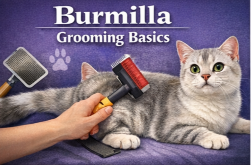
Burmilla cats are known for their soft, shiny coats and elegant look. Many new owners worry that this beauty means hard grooming, but that is not true. Burmilla cats are considered low-maintenance compared to many other breeds. Their coat is fine, smooth, and usually short, which means it does not tangle easily.
The Burmilla coat has a special “tipped” look. This means the hair is light at the base and darker at the tip. Because of this, rough grooming or too much brushing can damage the coat’s natural shine. Gentle care is always better than frequent or forceful grooming.
Most Burmillas are indoor cats. Indoor living keeps their coat cleaner and reduces exposure to dirt, oils, and parasites. This also means they usually groom themselves well and only need light help from their owner.
Grooming a Burmilla is not just about looks. Regular care helps reduce shedding, keeps skin healthy, and allows you to notice problems early, like skin irritation or nail issues. It also builds trust between you and your cat when done calmly.
Brushing and Shedding Care for Burmilla Cats
Burmilla cats do shed, but not heavily compared to long-haired breeds. Their shedding is usually light and increases during seasonal changes, especially in spring and fall. Regular brushing helps remove loose hair before it ends up on furniture or clothing.
Use gentle strokes when brushing a Burmilla. Their coat is fine, and brushing too hard can break hairs and dull the coat’s silver shine. Focus on areas where loose hair gathers, like the chest, sides, and behind the front legs.
Brushing also helps spread natural skin oils across the coat. This keeps the fur smooth and shiny without needing baths. Many Burmillas enjoy brushing if it is calm and slow, especially if you keep sessions short.
If your Burmilla suddenly sheds more than usual or develops dry patches, it may be a sign of stress or a health issue. Grooming time is a good moment to notice these small changes early.
Brushing frequency table
| Season | How Often to Brush | Notes |
|---|---|---|
| Normal months | 1–2 times per week | Light brushing is enough |
| Spring/Fall shedding | 2–3 times per week | Helps control loose hair |
| Senior cats | 2 times per week | Supports reduced self-grooming |
Nail Trimming, Ear, Eye, and Dental Care
Nail trimming is an important part of Burmilla grooming. Even if your cat uses scratching posts, nails still grow and can become sharp. Overgrown nails can snag on fabric or cause pain when walking.
Trim your Burmilla’s nails about once every two to three weeks. Only cut the sharp tip and avoid the pink area inside the nail. If your cat becomes restless, it is okay to trim one or two nails at a time and finish later.
Ear care for Burmillas is simple. Their ears usually stay clean, but you should check them once a month. A small amount of wax is normal. Redness, strong smell, or dark buildup is not normal and should be checked by a vet.
Eye care is also easy. Some Burmillas may get mild tear marks, especially light-colored ones. Gently wiping the eye corners with a soft, damp cloth is usually enough. Dental care should start early. Even simple tooth brushing a few times a week can help prevent dental disease.
Routine care frequency table
| Grooming Task | How Often | At Home or Professional |
|---|---|---|
| Nail trimming | Every 2–3 weeks | At home |
| Ear check | Monthly | At home |
| Eye cleaning | As needed | At home |
| Dental care | 2–3 times per week | At home or vet advice |
Bathing a Burmilla Cat: When It’s Needed and When to Skip It
Most Burmilla cats do not need regular baths. Their coat stays clean naturally, and frequent bathing can dry out their skin and remove healthy oils. For everyday care, brushing is usually enough.
Bathing is only needed in special situations. This includes when a cat gets into something sticky, greasy, or dirty that cannot be brushed out. Some owners also bathe Burmillas before cat shows, but this is not necessary for normal home life.
If you do bathe your Burmilla, always use warm water and a cat-safe shampoo. Never use human shampoo. Keep the bath short and calm, and dry the cat gently with a towel afterward.
If your Burmilla becomes very stressed by bathing, it is better to stop and seek advice from a professional groomer or vet. Forced bathing can harm trust and cause long-term fear.
Burmilla Grooming Schedule, Mistakes, and When to Get Help
A simple grooming routine keeps Burmilla cats healthy without stress. Short, regular sessions work better than long grooming days. Most owners can manage Burmilla grooming at home with basic tools and patience.
One common mistake is over-brushing. Too much brushing can damage the coat’s fine texture. Another mistake is skipping nail trims because the cat “seems fine.” Long nails can cause problems even if the cat is calm.
Owners should never try to cut mats close to the skin or clean ears deeply with cotton swabs. These tasks can cause injury. If you notice skin redness, strong smells, sudden coat changes, or pain during grooming, a vet visit is the safest choice.
Professional groomers can help with difficult nail trims or anxious cats, while vets should handle skin, ear, or dental problems. Knowing when to ask for help is part of responsible grooming.
Full grooming schedule table
| Task | How Often | Why It Matters |
|---|---|---|
| Brushing | 1–2 times weekly | Controls shedding and keeps coat shiny |
| Nail trimming | Every 2–3 weeks | Prevents pain and snagging |
| Ear & eye checks | Monthly | Catches early problems |
| Bathing | Rarely | Only when truly needed |
For general feline care standards and safety guidance, you can also refer to the ASPCA’s cat care resources:
https://www.aspca.org/pet-care/cat-care

Ata Ur Rehman is the founder of Pet Age in Human Years Calculator, an educational platform that provides age conversion charts and lifespan guides for dogs, cats, birds, and other companion animals. His work focuses on helping pet owners understand how animal ages translate into human years using commonly accepted age conversion formulas and published lifespan averages.
The website compiles breed and species lifespan data from kennel clubs, breed organizations, and general animal lifespan studies to present simple and easy-to-understand guides for pet owners worldwide.
This website was created to centralize animal age conversion charts into one easy reference platform for pet owners.