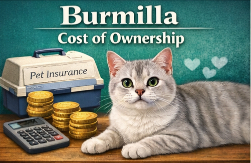
Burmilla Cat Cost of Ownership and Lifetime Expenses
Owning a Burmilla cat is not just about the price you pay on day one. Many people focus only on the kitten cost and forget about food, vet visits, and long-term care. This is how people end up surprised by expenses later. Understanding the full cost helps you decide if this breed fits your budget and lifestyle.
Recommended Dog Care Products
Based on your dog’s age, these products may help with comfort, health, grooming, and daily care.

Purina Pro Plan Veterinary Supplements
Daily probiotics for dogs to support digestive and gut health.
View on Amazon ↗
Earth Rated Poop Bags for Dogs
Leak-proof, extra thick waste bag refill rolls with lavender scent.
View on Amazon ↗
Greenies Pill Pockets for Dogs
Large dog treats for capsule medication, peanut butter flavor.
View on Amazon ↗
HONEY CARE All-Absorb Dog Wrap
Small male dog wraps, 50 count, useful for daily care support.
View on Amazon ↗
Seresto Flea & Tick Collar
Flea and tick treatment and prevention for dogs over 18 lbs.
View on Amazon ↗
Milk-Bone MaroSnacks
Small dog treats with real bone marrow in a 40 oz canister.
View on Amazon ↗
Vital Essentials Dog Treats
Freeze dried beef liver dog treats, grain free and single ingredient.
View on Amazon ↗
Stain & Odor Eliminator
Enzyme cleaner for pet stains, carpet messes, and strong odors.
View on Amazon ↗
Pur Luv Chicken Jerky Treats
Dog treats made with real chicken breast, high protein and chew-friendly.
View on Amazon ↗
Milk-Bone Flavor Snacks
Mini crunchy dog biscuits in a 36 oz canister for small rewards.
View on Amazon ↗As an Amazon Associate, we may earn from qualifying purchases.
Burmilla cats are known for their beauty, calm nature, and affectionate personality. Because they are usually bred by responsible breeders, they often cost more than mixed-breed cats. That higher starting price can make people assume they are “expensive cats,” but the real cost depends on how you care for them over time.
This guide is written to help you plan, not to scare you. Costs shared here are estimates, not promises. Some cats stay very healthy, while others need more care. Planning ahead helps you handle both situations without stress.
One-Time and Initial Costs of Owning a Burmilla
The first costs usually happen before or right after you bring your Burmilla home. These costs can feel high because many of them happen at once. Planning for them early helps avoid last-minute money problems.
Buying a Burmilla kitten from a responsible breeder is usually the biggest one-time cost. Adoption costs are lower, but Burmillas are rare in shelters. Initial vet visits are also important. These visits often include a health check, early vaccines, and sometimes spaying or neutering if it was not already done.
You will also need basic supplies. Even if you keep things simple, these items are required for your cat’s safety and comfort. Burmillas are playful and smart, so enrichment items matter too.
Below is a general overview of common one-time costs.
| Initial Cost Category | What It Covers |
|---|---|
| Purchase or adoption | Breeder fee or adoption charge |
| First vet visits | Health exam, early vaccines |
| Spay or neuter | If not already completed |
| Home setup | Litter box, carrier, bowls |
| Enrichment items | Scratching posts, toys |
Monthly and Annual Burmilla Cat Expenses
Monthly costs are the expenses you pay again and again. These costs matter more than the purchase price because they last for your cat’s entire life. Even small monthly costs add up over many years.
Food is usually the biggest monthly expense. Burmillas do best on good-quality food that supports coat health and digestion. Litter, treats, and basic grooming items are also part of regular spending. Even short-haired cats like Burmillas still need brushing and hygiene care.
Yearly costs mostly come from routine vet care. This includes checkups, booster shots, and preventive treatments. These visits help catch health problems early, which can save money later.
Recommended Dog Care Products
Based on your dog’s age, these products may help with comfort, health, grooming, and daily care.
Purina Pro Plan Veterinary Supplements
Daily probiotics for dogs to support digestive and gut health.
View on Amazon ↗
Earth Rated Poop Bags for Dogs
Leak-proof, extra thick waste bag refill rolls with lavender scent.
View on Amazon ↗
Greenies Pill Pockets for Dogs
Large dog treats for capsule medication, peanut butter flavor.
View on Amazon ↗
HONEY CARE All-Absorb Dog Wrap
Small male dog wraps, 50 count, useful for daily care support.
View on Amazon ↗
Seresto Flea & Tick Collar
Flea and tick treatment and prevention for dogs over 18 lbs.
View on Amazon ↗
Milk-Bone MaroSnacks
Small dog treats with real bone marrow in a 40 oz canister.
View on Amazon ↗
Vital Essentials Dog Treats
Freeze dried beef liver dog treats, grain free and single ingredient.
View on Amazon ↗
Stain & Odor Eliminator
Enzyme cleaner for pet stains, carpet messes, and strong odors.
View on Amazon ↗
Pur Luv Chicken Jerky Treats
Dog treats made with real chicken breast, high protein and chew-friendly.
View on Amazon ↗
Milk-Bone Flavor Snacks
Mini crunchy dog biscuits in a 36 oz canister for small rewards.
View on Amazon ↗As an Amazon Associate, we may earn from qualifying purchases.
Here is a simple breakdown to show how monthly and annual costs usually look.
| Expense Type | Monthly | Yearly |
|---|---|---|
| Food | Regular expense | Adds up over 12 months |
| Litter & supplies | Regular expense | Ongoing |
| Routine vet care | — | Annual checkups |
| Preventive care | — | Vaccines, parasite control |
Unexpected, Lifestyle, and Long-Term Costs to Plan For
Unexpected costs are the reason many pet budgets fail. Even healthy cats can get sick or injured. Emergency vet visits often cost much more than routine care, and they usually happen without warning.
Lifestyle choices also affect cost. Indoor Burmillas often need more toys and enrichment, while outdoor access can increase injury or illness risks. Traveling, boarding, or hiring a pet sitter can add extra costs, especially because Burmillas are social cats and do not always do well alone.
As Burmillas age, costs often rise. Older cats may need more vet visits, special diets, or medication. These changes usually happen slowly, but they should be planned for.
All of these factors lead to the biggest question most people ask: how much does a Burmilla cost over its entire life? That is covered next.
Burmilla Lifetime Cost Summary: Is This Breed Right for Your Budget?
The lifetime cost of owning a Burmilla depends on many things, including lifespan, health, and care choices. Burmillas often live well into their teens, which means long-term financial responsibility.
Some owners spend less because their cat stays healthy and their lifestyle is simple. Others spend much more due to emergencies, aging care, or higher living standards. What matters most is whether your budget can handle the higher end, not just the average.
Below is a simplified lifetime view to help with planning.
| Cost Range | What It Means |
|---|---|
| Lower range | Minimal issues, basic care |
| Average range | Routine care plus some surprises |
| Higher range | Emergencies, senior care needs |
If paying for food, vet care, and emergencies would cause ongoing stress, this breed may not be the right choice right now. Responsible ownership means being honest about what you can afford, not just what you want.For additional general guidance on cat care and planning, you can visit the ASPCA’s cat care resources:
https://www.aspca.org/pet-care/cat-care

Ata Ur Rehman is the founder of Pet Age in Human Years Calculator, an educational platform that provides age conversion charts and lifespan guides for dogs, cats, birds, and other companion animals. His work focuses on helping pet owners understand how animal ages translate into human years using commonly accepted age conversion formulas and published lifespan averages.
Recommended Dog Care Products
Based on your dog’s age, these products may help with comfort, health, grooming, and daily care.
Purina Pro Plan Veterinary Supplements
Daily probiotics for dogs to support digestive and gut health.
View on Amazon ↗
Earth Rated Poop Bags for Dogs
Leak-proof, extra thick waste bag refill rolls with lavender scent.
View on Amazon ↗
Greenies Pill Pockets for Dogs
Large dog treats for capsule medication, peanut butter flavor.
View on Amazon ↗
HONEY CARE All-Absorb Dog Wrap
Small male dog wraps, 50 count, useful for daily care support.
View on Amazon ↗
Seresto Flea & Tick Collar
Flea and tick treatment and prevention for dogs over 18 lbs.
View on Amazon ↗
Milk-Bone MaroSnacks
Small dog treats with real bone marrow in a 40 oz canister.
View on Amazon ↗
Vital Essentials Dog Treats
Freeze dried beef liver dog treats, grain free and single ingredient.
View on Amazon ↗
Stain & Odor Eliminator
Enzyme cleaner for pet stains, carpet messes, and strong odors.
View on Amazon ↗
Pur Luv Chicken Jerky Treats
Dog treats made with real chicken breast, high protein and chew-friendly.
View on Amazon ↗
Milk-Bone Flavor Snacks
Mini crunchy dog biscuits in a 36 oz canister for small rewards.
View on Amazon ↗As an Amazon Associate, we may earn from qualifying purchases.
The website compiles breed and species lifespan data from kennel clubs, breed organizations, and general animal lifespan studies to present simple and easy-to-understand guides for pet owners worldwide.
This website was created to centralize animal age conversion charts into one easy reference platform for pet owners.