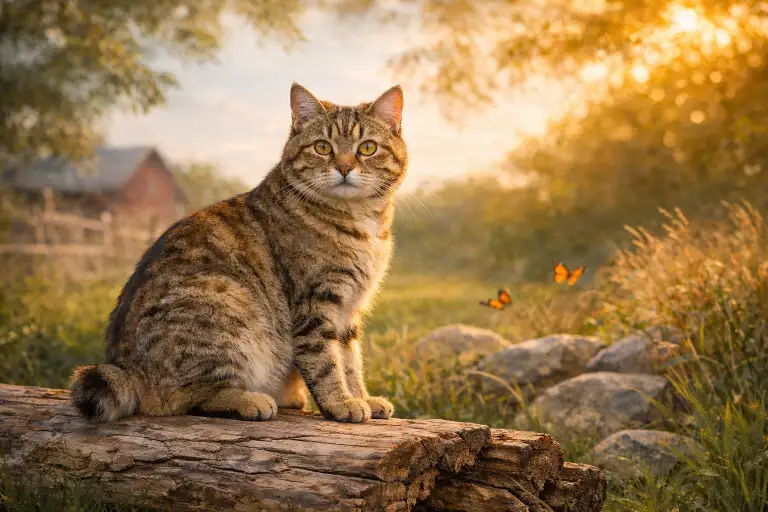
American Bobtail Shorthair Personality & Behavior: Understanding Your Cat’s Traits
Recommended Dog Care Products
Based on your dog’s age, these products may help with comfort, health, grooming, and daily care.

Purina Pro Plan Veterinary Supplements
Daily probiotics for dogs to support digestive and gut health.
View on Amazon ↗
Earth Rated Poop Bags for Dogs
Leak-proof, extra thick waste bag refill rolls with lavender scent.
View on Amazon ↗
Greenies Pill Pockets for Dogs
Large dog treats for capsule medication, peanut butter flavor.
View on Amazon ↗
HONEY CARE All-Absorb Dog Wrap
Small male dog wraps, 50 count, useful for daily care support.
View on Amazon ↗
Seresto Flea & Tick Collar
Flea and tick treatment and prevention for dogs over 18 lbs.
View on Amazon ↗
Milk-Bone MaroSnacks
Small dog treats with real bone marrow in a 40 oz canister.
View on Amazon ↗
Vital Essentials Dog Treats
Freeze dried beef liver dog treats, grain free and single ingredient.
View on Amazon ↗
Stain & Odor Eliminator
Enzyme cleaner for pet stains, carpet messes, and strong odors.
View on Amazon ↗
Pur Luv Chicken Jerky Treats
Dog treats made with real chicken breast, high protein and chew-friendly.
View on Amazon ↗
Milk-Bone Flavor Snacks
Mini crunchy dog biscuits in a 36 oz canister for small rewards.
View on Amazon ↗As an Amazon Associate, we may earn from qualifying purchases.
Understanding the American Bobtail Shorthair Personality
The American Bobtail Shorthair is often described as one of the most friendly and adaptable cat breeds, known for its playful, intelligent, and dog-like personality. While breed tendencies give a general idea of temperament, each American Bobtail is unique, with individual quirks, preferences, and ways of expressing affection.
These cats are typically social and enjoy interacting with humans, other pets, and even children, but they also value their alone time. Their intelligence and curiosity make them problem solvers, often finding creative ways to explore their environment or engage with toys. Many owners notice their American Bobtails actively seek out interaction, whether through playful antics, gentle trills, or following family members around the house.
Despite their outgoing nature, American Bobtails are not overly demanding. They strike a balance between independence and affection, often showing their attachment through proximity, slow blinking, or soft head nudges rather than insisting on laps. This breed’s playful energy, combined with a calm and friendly demeanor, often gives them a “dog-like” companionship style, making them highly responsive to attention and social cues.
To help readers quickly grasp the general traits of this breed, the following table provides a snapshot of their personality characteristics:
| Trait | Description | Notes |
|---|---|---|
| Friendliness | Social and approachable | Often described as dog-like |
| Intelligence | Problem-solving and learning | Enjoys interactive toys and games |
| Activity Level | Moderate to high | Includes playful bursts (“zoomies”) |
| Independence | Balanced | Can enjoy alone time but seeks interaction |
| Affection Style | Lap, proximity, interactive | Varies per cat, some prefer gentle petting |
This overview sets the stage for understanding how genetics, environment, and early socialization further shape the behavior of American Bobtail Shorthairs, which will be explored in the next section.
What Shapes an American Bobtail Shorthair’s Behavior
The behavior of an American Bobtail Shorthair is shaped by several important factors. Understanding these can help owners know why their cat acts the way it does.
Genetics play a big role. Some traits, like friendliness, playfulness, and curiosity, are often inherited from the breed’s family line. This is why many American Bobtails are naturally social and enjoy spending time with people.
Early socialization is also very important. Kittens that are gently handled and introduced to different people, pets, and environments usually grow up confident and friendly. On the other hand, limited exposure may make a cat shy at first, though American Bobtails tend to warm up with patience.
Recommended Dog Care Products
Based on your dog’s age, these products may help with comfort, health, grooming, and daily care.
Purina Pro Plan Veterinary Supplements
Daily probiotics for dogs to support digestive and gut health.
View on Amazon ↗
Earth Rated Poop Bags for Dogs
Leak-proof, extra thick waste bag refill rolls with lavender scent.
View on Amazon ↗
Greenies Pill Pockets for Dogs
Large dog treats for capsule medication, peanut butter flavor.
View on Amazon ↗
HONEY CARE All-Absorb Dog Wrap
Small male dog wraps, 50 count, useful for daily care support.
View on Amazon ↗
Seresto Flea & Tick Collar
Flea and tick treatment and prevention for dogs over 18 lbs.
View on Amazon ↗
Milk-Bone MaroSnacks
Small dog treats with real bone marrow in a 40 oz canister.
View on Amazon ↗
Vital Essentials Dog Treats
Freeze dried beef liver dog treats, grain free and single ingredient.
View on Amazon ↗
Stain & Odor Eliminator
Enzyme cleaner for pet stains, carpet messes, and strong odors.
View on Amazon ↗
Pur Luv Chicken Jerky Treats
Dog treats made with real chicken breast, high protein and chew-friendly.
View on Amazon ↗
Milk-Bone Flavor Snacks
Mini crunchy dog biscuits in a 36 oz canister for small rewards.
View on Amazon ↗As an Amazon Associate, we may earn from qualifying purchases.
The environment a cat lives in affects its personality too. Homes with toys, climbing spaces, and safe spots for hiding help stimulate the cat’s mind and keep it active. Cats that feel safe and enriched are often more playful and interactive.
Daily interaction with humans and other pets shapes behavior as well. Regular playtime, gentle petting, and positive attention teach the cat how to communicate and bond. Affection styles vary: some Bobtails enjoy sitting in your lap, others prefer being near you, while some may follow you around the house for attention without needing constant contact.
Here’s a quick table summarizing the main factors that shape an American Bobtail Shorthair’s personality:
| Factor | How it Shapes Behavior |
|---|---|
| Genetics | Determines natural friendliness, curiosity, and playfulness |
| Early Socialization | Builds confidence with people, pets, and new situations |
| Environment | Toys, climbing spaces, and safe spots encourage activity and exploration |
| Daily Interaction | Strengthens bond with humans and other pets; teaches social cues |
| Play & Enrichment | Stimulates mind and energy, prevents boredom |
Social Behavior and Communication
American Bobtail Shorthairs are very good at showing how they feel. They use their body, tail, ears, eyes, and sounds to communicate with humans and other pets. Learning to read these signs can help you understand your cat better.
When interacting with humans, they are friendly and enjoy attention, but in their own way. Some like sitting on your lap, while others prefer staying nearby. They may follow you around the house, greet you at the door, or make soft trilling sounds to ask for play or attention. Slow blinking is a common sign of trust and affection.
With other cats and pets, American Bobtails are usually social and playful. They can enjoy gentle wrestling and chasing games, but they also know when to give space. Early socialization helps them get along well with dogs and other household animals.
American Bobtails communicate a lot through their body language. Here are some common signs and what they usually mean:
| Signal | Meaning | Example |
|---|---|---|
| Tail upright | Friendly and happy | Walking up to owner |
| Ears forward | Curious or alert | Watching a toy or movement |
| Slow blink | Trust and affection | Looking at owner calmly |
| Chirp or trill | Wants attention or play | Calls you to join a game |
| Hissing or swatting | Feeling uncomfortable | Avoid forcing interaction |
By understanding these signs, owners can respond in a way that makes the cat feel safe and happy.
Play, Hunting, and Normal Behavioral Patterns
American Bobtail Shorthairs are playful and curious cats. Even as adults, they like to explore, chase, and solve little problems with toys or games. Their play often looks like hunting, with stalking, pouncing, and swatting movements. This is normal and helps them stay active and happy.
Some American Bobtails enjoy playing fetch or chasing wand toys, while others may prefer puzzle toys that challenge their mind. Their playful bursts can happen anytime, including short “zoomies” at night. This energy is normal and shows a healthy, happy cat.
Recommended Dog Care Products
Based on your dog’s age, these products may help with comfort, health, grooming, and daily care.
Purina Pro Plan Veterinary Supplements
Daily probiotics for dogs to support digestive and gut health.
View on Amazon ↗
Earth Rated Poop Bags for Dogs
Leak-proof, extra thick waste bag refill rolls with lavender scent.
View on Amazon ↗
Greenies Pill Pockets for Dogs
Large dog treats for capsule medication, peanut butter flavor.
View on Amazon ↗
HONEY CARE All-Absorb Dog Wrap
Small male dog wraps, 50 count, useful for daily care support.
View on Amazon ↗
Seresto Flea & Tick Collar
Flea and tick treatment and prevention for dogs over 18 lbs.
View on Amazon ↗
Milk-Bone MaroSnacks
Small dog treats with real bone marrow in a 40 oz canister.
View on Amazon ↗
Vital Essentials Dog Treats
Freeze dried beef liver dog treats, grain free and single ingredient.
View on Amazon ↗
Stain & Odor Eliminator
Enzyme cleaner for pet stains, carpet messes, and strong odors.
View on Amazon ↗
Pur Luv Chicken Jerky Treats
Dog treats made with real chicken breast, high protein and chew-friendly.
View on Amazon ↗
Milk-Bone Flavor Snacks
Mini crunchy dog biscuits in a 36 oz canister for small rewards.
View on Amazon ↗As an Amazon Associate, we may earn from qualifying purchases.
They also have comfort behaviors that help them feel safe and relaxed. Kneading, rubbing their head against you, or scent-marking with their cheeks are signs they feel secure. Climbing and perching on shelves or cat trees is another natural behavior—they like high spots to watch their surroundings.
Some behaviors are often misunderstood by owners. The following table helps explain what is normal and what it usually means:
| Behavior | Normal Meaning | Owner Misunderstanding |
|---|---|---|
| Zoomies at night | Using up energy | Thinking the cat is hyper or angry |
| Kneading | Comfort and bonding | Mistaken for scratching or aggression |
| Play biting | Practicing hunting skills | Thinking the cat is aggressive |
| Climbing or perching | Natural curiosity and observation | Thinking the cat is destructive |
| Vocalizing | Communication or play invitation | Thinking the cat is upset |
FAQs and Owner Guidance
Understanding your American Bobtail Shorthair can be easy if you know what to look for. Here are some common questions and helpful answers for owners:
| Question | Answer |
|---|---|
| Are American Bobtails affectionate? | Yes, they enjoy attention and bonding, but each cat shows it differently. Some like laps, others prefer being nearby. |
| How do they get along with children or dogs? | They are usually social and friendly, especially if they were introduced to people and pets early. |
| Why are they playful and sometimes “dog-like”? | Their breed is active and intelligent. They enjoy games, following you, and problem-solving activities. |
| How do they communicate with humans? | Through body language like tail position, ear movement, blinking, and vocalizations like trills or meows. |
| What are normal activity and rest patterns? | They have bursts of energy, often in the morning or evening, and also enjoy quiet resting periods. |
| How do behaviors change with age? | Kittens are very curious and active, adolescents test boundaries, adults settle into routines, and seniors may become calmer and more attached. |
Tips for owners:
- Watch your cat closely to learn its unique signals and preferences.
- Provide toys, climbing spaces, and safe hiding spots to encourage play and exploration.
- Respect their comfort zones; even social cats need alone time.
- Regular interaction helps maintain bonding and trust.
This section concludes the article. You now have a full guide to American Bobtail Shorthair personality and behavior, covering their traits, social habits, communication, play, normal behaviors, and practical owner guidance.
For more detailed breed history and temperament insights, you can visit the Cat Fanciers’ Association’s profile of the American Bobtail on their official site (https://cfa.org/breed/american-bobtail/) to learn more about this friendly, intelligent cat breed and its origins.

Ata Ur Rehman is the founder of Pet Age in Human Years Calculator, an educational platform that provides age conversion charts and lifespan guides for dogs, cats, birds, and other companion animals. His work focuses on helping pet owners understand how animal ages translate into human years using commonly accepted age conversion formulas and published lifespan averages.
The website compiles breed and species lifespan data from kennel clubs, breed organizations, and general animal lifespan studies to present simple and easy-to-understand guides for pet owners worldwide.
This website was created to centralize animal age conversion charts into one easy reference platform for pet owners.