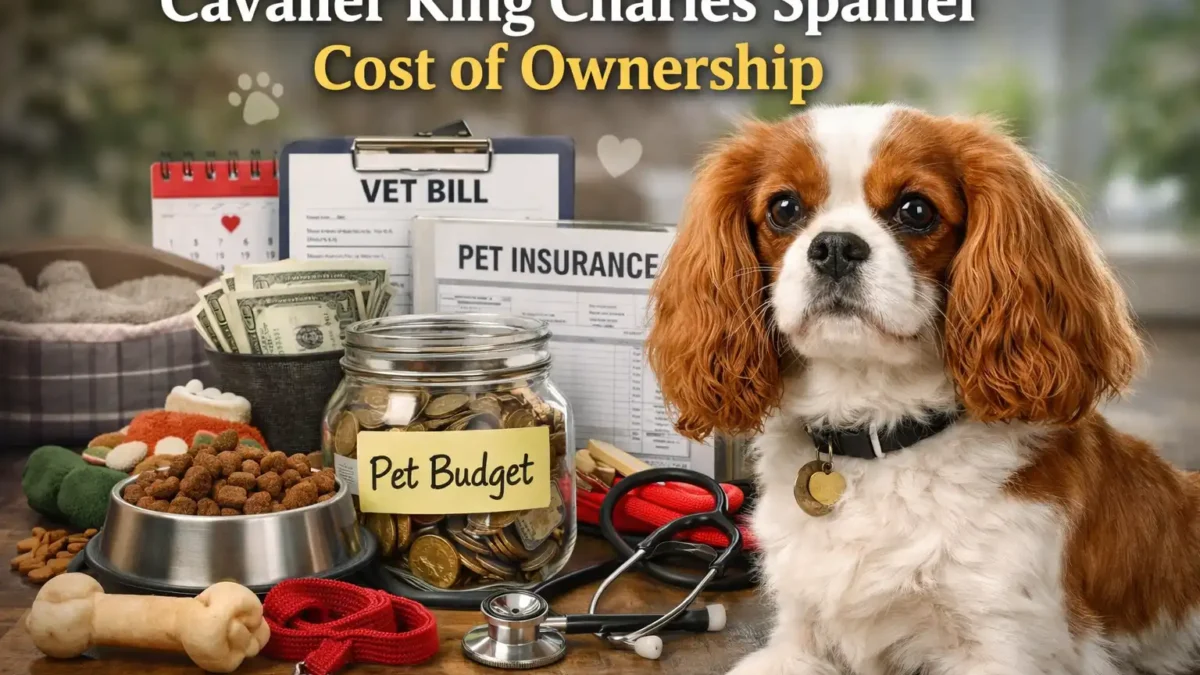
Cavalier King Charles Spaniel Cost of Ownership: Complete Expense Guide
Owning a cavalier king charles spaniel is a long-term financial commitment, not just a one-time purchase. Many people think small dogs are cheap to own, but this breed often costs more than expected because of health care, grooming, and daily care needs.
The cost of ownership includes everything you spend over time. This means the price to get the dog, regular food, vet visits, grooming, training, and unexpected medical bills. Some costs happen only once, but many continue every month and every year.
For most owners, the first year is the most expensive. Puppies need vaccines, spay or neuter surgery, supplies, and training. After the first year, costs usually become more stable, but they do not disappear. Food, vet care, and grooming remain part of normal life with a cavalier.
Several factors affect how much you will spend:
- your dog’s health and genetics
- where you live and local vet prices
- your lifestyle, such as travel or boarding needs
- whether you choose pet insurance
This guide is designed to give you a clear and honest picture of what it really costs to own a cavalier king charles spaniel. The goal is not to scare you, but to help you plan so you can give your dog proper care without financial stress.
The first year with a cavalier king charles spaniel usually costs the most. This is because many important expenses happen early, before your dog settles into a normal routine.
The purchase or adoption cost is often the first expense. Buying from a responsible breeder usually costs more than adoption, but adoption fees may still include basic vet care. Prices can change based on location and availability.
Next are initial veterinary costs. In the first year, most dogs need:
- puppy vaccinations
- health checkups
- microchipping
- spay or neuter surgery
These medical visits are necessary and should not be skipped. They protect your dog’s health and help prevent bigger problems later.
You will also need basic supplies when you bring your dog home. These include:
- a bed
- food and water bowls
- leash and collar
- crate or playpen
- toys and grooming tools
Puppies often cost more in the first year than adult dogs. They eat more often, need training, and may chew or destroy items. Adult dogs usually need fewer supplies at the start, which can lower first-year costs.
Planning for these early expenses helps avoid stress. When owners know what to expect, they are better prepared to care for their dog properly.
Monthly and Annual Expenses for Cavalier King Charles Spaniels
After the first year, most costs become regular and easier to plan. These are the expenses you will pay every month or every year while owning a cavalier king charles spaniel.
Food costs are one of the main monthly expenses. Cavaliers are small dogs, but they still need good-quality food to stay healthy. Cheaper food may save money at first, but it can lead to health problems later. Treats should also be counted as part of food costs.
Routine vet care is another ongoing cost. Most dogs need:
- yearly health checkups
- vaccinations
- flea, tick, and worm prevention
These visits help catch problems early and keep your dog healthy.
Grooming costs are important for this breed. Cavaliers have long, silky coats that need regular brushing. Some owners groom at home, while others use a professional groomer. Professional grooming adds to the monthly or yearly budget.
Training, toys, and supplies also cost money over time. Toys wear out, collars need replacing, and some dogs benefit from training classes. These may seem small, but they add up each year.
When you add everything together, the yearly cost of owning a cavalier king charles spaniel can be higher than many people expect. Planning for these regular expenses helps avoid money stress and ensures your dog gets proper care.
Lifetime Cost, Budgeting Tips, and Financial Reality Check
Owning a cavalier king charles spaniel is a long-term responsibility. Over a full lifetime, the total cost can be much higher than many people expect. This includes food, vet care, grooming, and unexpected health problems that may appear as the dog gets older.
The lifetime cost depends on many things, such as health, location, and lifestyle. A healthy dog with regular care may cost less, while a dog with medical needs can cost much more. Planning ahead helps avoid stress and hard decisions later.
Good budgeting starts with honesty. Set aside money each month for regular expenses like food and grooming. It is also smart to save extra money for emergencies. Even small monthly savings can help cover sudden vet bills.
There are safe ways to save money without hurting your dog’s care:
- keep up with regular vet visits to catch problems early
- feed good-quality food to support long-term health
- groom at home if you have the time and tools
- compare pet insurance plans carefully
Avoid risky shortcuts like skipping vet visits or buying very cheap food. These choices may cost less now but often lead to higher expenses later.
Before bringing a cavalier home, ask yourself if you are ready for the full financial commitment. If the answer is yes, careful planning can help you enjoy many happy years with your dog.
For a broader look at average pet ownership expenses and national cost data, you can review the detailed reports from the American Pet Products Association at https://www.americanpetproducts.org, which tracks yearly spending trends for dog owners.
Related article