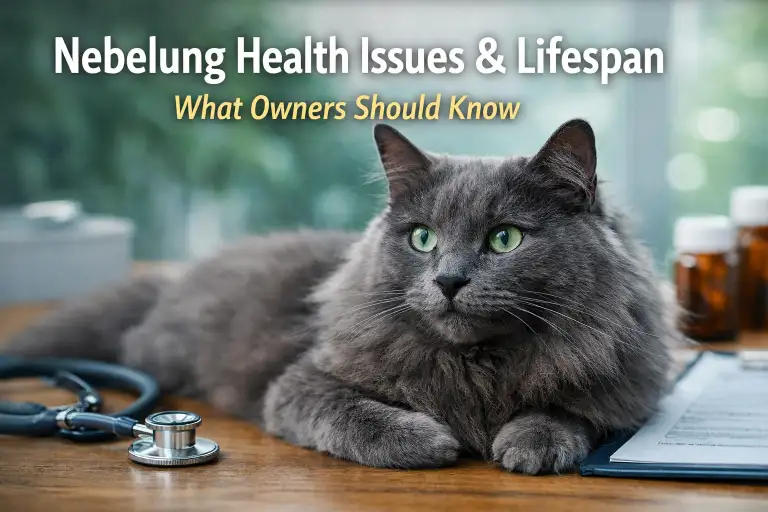
Most Nebelung cats have a lifespan that falls within the range commonly seen in healthy domestic cats, often reaching the mid-to-late teens when well cared for. Some individuals may live longer, while others may have shorter lives due to factors such as genetics, environment, and overall health history. It’s important to view lifespan numbers as general estimates rather than promises, since no two cats age in exactly the same way.
Recommended Dog Care Products
Based on your dog’s age, these products may help with comfort, health, grooming, and daily care.

Purina Pro Plan Veterinary Supplements
Daily probiotics for dogs to support digestive and gut health.
View on Amazon ↗
Earth Rated Poop Bags for Dogs
Leak-proof, extra thick waste bag refill rolls with lavender scent.
View on Amazon ↗
Greenies Pill Pockets for Dogs
Large dog treats for capsule medication, peanut butter flavor.
View on Amazon ↗
HONEY CARE All-Absorb Dog Wrap
Small male dog wraps, 50 count, useful for daily care support.
View on Amazon ↗
Seresto Flea & Tick Collar
Flea and tick treatment and prevention for dogs over 18 lbs.
View on Amazon ↗
Milk-Bone MaroSnacks
Small dog treats with real bone marrow in a 40 oz canister.
View on Amazon ↗
Vital Essentials Dog Treats
Freeze dried beef liver dog treats, grain free and single ingredient.
View on Amazon ↗
Stain & Odor Eliminator
Enzyme cleaner for pet stains, carpet messes, and strong odors.
View on Amazon ↗
Pur Luv Chicken Jerky Treats
Dog treats made with real chicken breast, high protein and chew-friendly.
View on Amazon ↗
Milk-Bone Flavor Snacks
Mini crunchy dog biscuits in a 36 oz canister for small rewards.
View on Amazon ↗As an Amazon Associate, we may earn from qualifying purchases.
One of the biggest influences on how long a Nebelung lives is lifestyle. Cats kept primarily indoors tend to live longer on average than those with outdoor access, largely because they face fewer risks such as accidents, infectious diseases, parasites, and environmental hazards. This doesn’t mean every indoor cat will live a long life, or that every outdoor cat will have a shortened one, but the overall trend is well established in feline health research.
To make this easier to scan, here’s a high-level look at how lifestyle can affect lifespan expectations:
| Lifestyle | Typical Lifespan Range | General Context |
|---|---|---|
| Indoor-only | Often 14–18+ years | Lower exposure to injury, disease, and parasites |
| Indoor–outdoor | Often 10–15 years | Risk varies by environment and supervision |
| Outdoor | Often 8–12 years | Higher exposure to accidents and illness |
It’s also worth remembering that reported lifespans can vary widely depending on the source. Some figures are based on small samples, owner reports, or anecdotal data rather than large-scale studies specific to Nebelungs. Because the breed is relatively rare, much of what we know about Nebelung lifespan is informed by broader domestic cat data and long-term ownership observations.
Rather than focusing on a specific number, most veterinarians and experienced owners emphasize creating conditions that support a long, comfortable life. Consistent care, a stable environment, and early attention to changes in behavior or health tend to matter far more than any single lifespan statistic.
Common Nebelung Health Issues Owners Should Know About
Nebelung cats are often described as generally healthy, but like all cats, they can still develop health problems over time. This does not mean that every Nebelung will face these issues. Many live long lives with few medical concerns, especially when they receive regular care and live in a stable home environment.
Some health concerns are seen more often in cats as they age, while others can be linked to lifestyle factors such as diet, activity level, and stress. Understanding these issues at a basic level helps owners notice early changes and respond calmly.
Here is a simple overview of common health areas owners should be aware of:
| Health Area | What Owners May Notice | Why It Matters |
|---|---|---|
| Dental health | Bad breath, yellow teeth, red gums | Dental problems can affect eating and comfort |
| Weight gain | Slow weight increase, less activity | Extra weight can stress joints and organs |
| Urinary health | Litter box changes, straining | Urinary issues can become serious if ignored |
| Kidney health | Less appetite, more drinking | Kidney changes are more common in older cats |
| Digestive sensitivity | Vomiting or loose stool | May affect nutrition and comfort |
It’s important to remember that these signs do not confirm illness on their own. Many of them can have simple explanations, and some may be temporary. The goal is awareness, not self-diagnosis. Noticing patterns or repeated changes is more helpful than focusing on one-off behaviors.
Because Nebelungs are known for being calm and quiet, they may hide discomfort more than some other cats. Subtle changes, such as sleeping more than usual or grooming less often, can sometimes be easy to miss. Paying attention to small shifts over time can make a real difference.
Recommended Dog Care Products
Based on your dog’s age, these products may help with comfort, health, grooming, and daily care.
Purina Pro Plan Veterinary Supplements
Daily probiotics for dogs to support digestive and gut health.
View on Amazon ↗
Earth Rated Poop Bags for Dogs
Leak-proof, extra thick waste bag refill rolls with lavender scent.
View on Amazon ↗
Greenies Pill Pockets for Dogs
Large dog treats for capsule medication, peanut butter flavor.
View on Amazon ↗
HONEY CARE All-Absorb Dog Wrap
Small male dog wraps, 50 count, useful for daily care support.
View on Amazon ↗
Seresto Flea & Tick Collar
Flea and tick treatment and prevention for dogs over 18 lbs.
View on Amazon ↗
Milk-Bone MaroSnacks
Small dog treats with real bone marrow in a 40 oz canister.
View on Amazon ↗
Vital Essentials Dog Treats
Freeze dried beef liver dog treats, grain free and single ingredient.
View on Amazon ↗
Stain & Odor Eliminator
Enzyme cleaner for pet stains, carpet messes, and strong odors.
View on Amazon ↗
Pur Luv Chicken Jerky Treats
Dog treats made with real chicken breast, high protein and chew-friendly.
View on Amazon ↗
Milk-Bone Flavor Snacks
Mini crunchy dog biscuits in a 36 oz canister for small rewards.
View on Amazon ↗As an Amazon Associate, we may earn from qualifying purchases.
Factors That Influence a Nebelung’s Health and Lifespan
How long a Nebelung lives and how healthy they stay over the years depends on many everyday factors. While genetics play a role, daily care and environment often have a bigger impact than owners realize. Small, steady habits can support better health over time.
Here are some key factors that can influence a Nebelung’s overall health and lifespan:
| Factor | Why It Matters |
|---|---|
| Diet quality | Balanced meals help maintain healthy weight and energy |
| Activity level | Regular play supports muscles, joints, and mental health |
| Weight control | Staying at a healthy weight reduces stress on the body |
| Stress levels | Calm homes suit Nebelung’s sensitive nature |
| Vet checkups | Routine visits help catch issues early |
| Indoor living | Reduces risks like injuries and infections |
Food choices are especially important. Overfeeding or too many treats can slowly lead to weight gain, which may affect movement and overall comfort. On the other hand, steady portions and routine feeding help keep a cat’s body balanced.
Nebelungs are known for being gentle and somewhat reserved. Loud environments, sudden changes, or long periods of boredom can cause stress. A quiet space, daily playtime, and predictable routines help them feel safe and relaxed.
Regular veterinary visits also matter, even when a cat seems fine. These checkups are not just for sick cats. They help spot small changes early, which can support better long-term outcomes without panic or urgency.
No single factor decides a Nebelung’s lifespan on its own. Health is usually shaped by many small choices made over many years.
Warning Signs and Health Changes Nebelung Owners Should Never Ignore
Cats are very good at hiding discomfort, and Nebelungs are often quiet by nature. This means small health changes can be easy to miss. Paying attention to daily habits helps owners notice when something feels off.
Not every change means something serious is wrong. What matters most is patterns, changes that last, or several signs happening together.
Here are some note-worthy signs to watch for:
| Change Noticed | When to Monitor | When to Seek Vet Advice |
|---|---|---|
| Appetite | Eats a little less for a day | Skips meals for several days |
| Weight | Small change over time | Fast weight loss or gain |
| Energy | Slightly less playful | Very tired or hiding often |
| Litter box use | One unusual visit | Ongoing changes or straining |
| Grooming | Misses a spot now and then | Stops grooming or coat looks dull |
| Drinking | Drinks a bit more on hot days | Drinks much more every day |
Behavior changes are also important. A friendly cat becoming distant, or a calm cat becoming irritable, can sometimes signal discomfort. Sleeping more is normal with age, but sudden changes should be noticed.
Recommended Dog Care Products
Based on your dog’s age, these products may help with comfort, health, grooming, and daily care.
Purina Pro Plan Veterinary Supplements
Daily probiotics for dogs to support digestive and gut health.
View on Amazon ↗
Earth Rated Poop Bags for Dogs
Leak-proof, extra thick waste bag refill rolls with lavender scent.
View on Amazon ↗
Greenies Pill Pockets for Dogs
Large dog treats for capsule medication, peanut butter flavor.
View on Amazon ↗
HONEY CARE All-Absorb Dog Wrap
Small male dog wraps, 50 count, useful for daily care support.
View on Amazon ↗
Seresto Flea & Tick Collar
Flea and tick treatment and prevention for dogs over 18 lbs.
View on Amazon ↗
Milk-Bone MaroSnacks
Small dog treats with real bone marrow in a 40 oz canister.
View on Amazon ↗
Vital Essentials Dog Treats
Freeze dried beef liver dog treats, grain free and single ingredient.
View on Amazon ↗
Stain & Odor Eliminator
Enzyme cleaner for pet stains, carpet messes, and strong odors.
View on Amazon ↗
Pur Luv Chicken Jerky Treats
Dog treats made with real chicken breast, high protein and chew-friendly.
View on Amazon ↗
Milk-Bone Flavor Snacks
Mini crunchy dog biscuits in a 36 oz canister for small rewards.
View on Amazon ↗As an Amazon Associate, we may earn from qualifying purchases.
It’s always okay to ask a veterinarian if something doesn’t feel right. Checking early is a responsible choice, not an overreaction. Owners know their cats best, and trusting that instinct matters.
Supporting Long-Term Health and Quality of Life in Nebelung Cats
Supporting a Nebelung’s health is not only about avoiding illness. It is also about helping them feel safe, comfortable, and content throughout their life. Many small daily choices can make a big difference over time.
A calm and steady routine is very helpful for this breed. Nebelungs often do best in quiet homes where feeding times, play, and rest happen around the same time each day. Predictable routines help reduce stress and support emotional well-being.
Here are simple ways owners can support long-term quality of life:
- Offer balanced meals and avoid overfeeding
- Encourage gentle daily play to keep the body active
- Provide fresh water and clean litter boxes
- Keep the living space calm and familiar
- Watch for slow changes in behavior or habits
- Schedule regular veterinary checkups, even when the cat seems healthy
As Nebelungs grow older, their needs may slowly change. They may sleep more, move a little slower, or prefer warmer, softer places to rest. These changes are often part of normal aging, not signs of immediate trouble. Adjusting the home to match these needs helps keep senior cats comfortable.
Quality of life is about comfort, stability, and attention. Owners do not need to do everything perfectly. Being observant, patient, and consistent is often enough to help a Nebelung enjoy many healthy years.
For more general guidance on feline wellness and preventive care, you can visit the American Association of Feline Practitioners (AAFP), a trusted resource created by veterinary professionals focused on cat health.

Ata Ur Rehman is the founder of Pet Age in Human Years Calculator, an educational platform that provides age conversion charts and lifespan guides for dogs, cats, birds, and other companion animals. His work focuses on helping pet owners understand how animal ages translate into human years using commonly accepted age conversion formulas and published lifespan averages.
The website compiles breed and species lifespan data from kennel clubs, breed organizations, and general animal lifespan studies to present simple and easy-to-understand guides for pet owners worldwide.
This website was created to centralize animal age conversion charts into one easy reference platform for pet owners.
Recommended Dog Care Products
Based on your dog’s age, these products may help with comfort, health, grooming, and daily care.
Purina Pro Plan Veterinary Supplements
Daily probiotics for dogs to support digestive and gut health.
View on Amazon ↗
Earth Rated Poop Bags for Dogs
Leak-proof, extra thick waste bag refill rolls with lavender scent.
View on Amazon ↗
Greenies Pill Pockets for Dogs
Large dog treats for capsule medication, peanut butter flavor.
View on Amazon ↗
HONEY CARE All-Absorb Dog Wrap
Small male dog wraps, 50 count, useful for daily care support.
View on Amazon ↗
Seresto Flea & Tick Collar
Flea and tick treatment and prevention for dogs over 18 lbs.
View on Amazon ↗
Milk-Bone MaroSnacks
Small dog treats with real bone marrow in a 40 oz canister.
View on Amazon ↗
Vital Essentials Dog Treats
Freeze dried beef liver dog treats, grain free and single ingredient.
View on Amazon ↗
Stain & Odor Eliminator
Enzyme cleaner for pet stains, carpet messes, and strong odors.
View on Amazon ↗
Pur Luv Chicken Jerky Treats
Dog treats made with real chicken breast, high protein and chew-friendly.
View on Amazon ↗
Milk-Bone Flavor Snacks
Mini crunchy dog biscuits in a 36 oz canister for small rewards.
View on Amazon ↗As an Amazon Associate, we may earn from qualifying purchases.