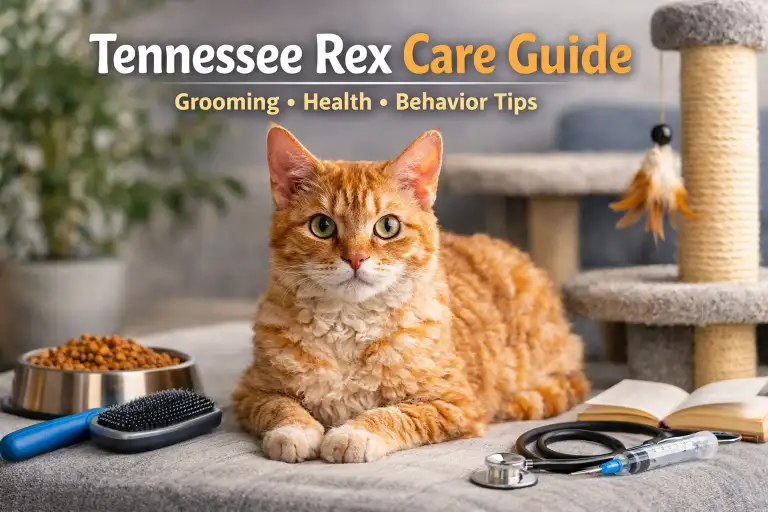
The Tennessee Rex is a rare, naturally occurring curly-coated breed known for its soft, wavy fur and highly social personality. Because this breed is still developing and not as widespread as other Rex types, many owners aren’t sure what to expect in terms of grooming, health, and day-to-day needs. Understanding how this breed differs from typical shorthaired cats is the foundation of proper care.
Unlike heavily structured curls seen in some Rex breeds, the Tennessee Rex coat tends to be plush, loose, and sometimes suede-like in texture. Kittens may be born with straighter coats that become curlier as they mature. The curl pattern and density can vary from cat to cat, which means grooming needs are not identical for every individual.
Although they are often described as “low shedding,” that does not mean maintenance-free. The hair shaft structure is different, but the skin underneath still produces oils that need occasional distribution. Over-brushing can damage curl integrity and cause frizzing or thinning, something many first-time Rex owners accidentally do.
Temperament is where the Tennessee Rex truly stands out. These cats are typically:
- Highly social
- Curious and observant
- Moderately to highly playful
- Affection-seeking
- Responsive to human interaction
They are not usually independent “background cats.” Many Tennessee Rex owners report that their cats follow them from room to room, vocalize softly for attention, and prefer being near their people during daily routines. This social intensity directly affects how you plan enrichment, alone time, and household structure.
Energy levels tend to be moderate to high. While they may not be hyperactive, they do need daily interactive play and mental stimulation. Without it, boredom-related behaviors such as overgrooming, nighttime zoomies, or attention-seeking mischief can appear.
Another common question is whether Tennessee Rex cats are hypoallergenic. No cat breed is truly hypoallergenic. While some people with mild allergies may react less to certain Rex breeds due to coat structure and reduced loose hair, allergen production comes from saliva and skin proteins, not just shedding. Prospective owners with allergies should spend time around the breed before committing.
Here is a quick-reference overview of what defines this breed and why it matters for care:
| Trait | What to Expect | Why It Matters for Care |
|---|---|---|
| Coat Type | Soft, curly or wavy | Requires gentle, limited brushing |
| Shedding Level | Low to moderate | Not allergen-free; still needs coat checks |
| Energy Level | Moderate to high | Needs daily enrichment and interaction |
| Social Needs | High | Can develop stress behaviors if ignored |
| Ideal Living Setup | Indoor, engaged household | Thrives with attention and stimulation |
In short, the Tennessee Rex is not a “low-effort” cat just because it sheds less. Its care requirements are driven more by temperament and skin sensitivity than by coat length alone. Owners who understand this early tend to have a smoother experience, especially during the first year.
Daily Tennessee Rex Care Routine (Feeding, Grooming & Enrichment)
Taking care of a Tennessee Rex every day is not hard, but it does require consistency. This breed needs attention, gentle grooming, and mental activity to stay healthy and happy. Below is a simple breakdown of what to do daily and weekly.
Feeding
Feed your Tennessee Rex high-quality cat food made for their life stage.
- Kittens: 3 small meals per day
- Adults: 2 measured meals per day
- Seniors: 2 smaller meals, adjusted for weight and activity
Avoid free-feeding (leaving food out all day). This breed can gain weight if bored or inactive.
Always provide fresh water. Some Tennessee Rex cats drink more from moving water, so a cat water fountain may help.
Watch for:
- Sudden weight gain
- Refusing food
- Eating too fast
These may need a vet check.
Grooming
Their curly coat needs gentle care.
Do:
- Use a soft brush or grooming glove
- Brush lightly 1–2 times per week
- Check skin for redness or flakes
Do not:
- Over-brush (this can damage curls)
- Use harsh metal combs
- Bathe too often
Bathing is usually only needed if the coat becomes greasy or dirty. Too many baths can dry the skin.
Trim nails every 2–3 weeks.
Clean ears only if you see wax buildup.
Brush teeth several times per week if possible. Dental care helps prevent gum disease.
Play and Mental Stimulation
Tennessee Rex cats need daily interaction.
Plan for:
- 15–30 minutes of active play each day
- Wand toys, feather toys, or puzzle feeders
- Climbing areas like cat trees
- Scratching posts in more than one room
Without play, they may:
- Meow for attention
- Scratch furniture
- Groom themselves too much
Indoor Setup
This breed does best indoors. Make sure your home includes:
- Vertical space (cat trees or shelves)
- Soft sleeping areas
- At least one scratching post
- Clean litter boxes
If you have more than one cat, follow this rule:
Number of litter boxes = number of cats + 1
Daily and Weekly Care Checklist
| Task | How Often | Simple Reminder |
|---|---|---|
| Feed measured meals | Daily | Do not overfeed |
| Refresh water | Daily | Clean bowl or fountain |
| Interactive play | Daily | At least 15 minutes |
| Quick coat check | Daily | Look for skin issues |
| Light brushing | 1–2x weekly | Be gentle |
| Nail trimming | Every 2–3 weeks | Indoor cats need regular trims |
| Tooth brushing | 3–5x weekly | Prevent dental problems |
| Full litter box clean | Weekly | Scoop daily |
Keeping a routine makes care easier and reduces behavior problems.
Tennessee Rex Health Concerns & Preventive Care
Tennessee Rex cats are generally healthy, but like all cats, they can have health problems. Because this is a rare and still-developing breed, long-term health data is limited. That means regular vet care is very important.
Skin and Coat Issues
Their curly coat can hide skin problems.
Watch for:
- Red patches
- Scabs
- Too much scratching
- Hair thinning
- Oily or greasy fur
Over-brushing can damage the coat and irritate the skin. Always brush gently.
If your cat keeps licking or chewing one area, it could be:
- Stress
- Allergies
- Parasites
- Skin infection
If it lasts more than a few days, see your vet.
Dental Health
Many cats develop dental disease by age three. Tennessee Rex cats are not immune to this.
Signs of dental problems:
- Bad breath
- Drooling
- Red gums
- Trouble chewing
- Dropping food
Brush teeth at home if possible. Schedule professional cleanings when your vet recommends.
Weight Management
Indoor cats can gain weight easily. Extra weight can lead to:
- Diabetes
- Joint pain
- Heart problems
Check your cat’s body shape once a month. You should feel the ribs lightly but not see them clearly.
If your cat gains or loses weight quickly, call your vet.
Vaccines and Vet Visits
Kittens need a series of vaccines in their first year.
Adult cats usually need booster shots as advised by a vet.
Most healthy adult Tennessee Rex cats should see a vet once a year.
Senior cats (over 7–8 years old) may need visits every 6 months.
Even indoor cats need:
- Parasite prevention
- Regular checkups
- Dental exams
Early Warning Signs to Never Ignore
| Symptom | What It Could Mean | What To Do |
|---|---|---|
| Not eating for 24 hours | Illness or pain | Call vet |
| Hiding more than usual | Stress or sickness | Monitor and contact vet |
| Vomiting often | Stomach issue or blockage | Vet visit if repeated |
| Trouble using litter box | Urinary problem | Urgent vet visit |
| Sudden behavior change | Pain or illness | Schedule exam |
Cats often hide pain. Small changes matter.
If something feels “off,” trust your instinct and call your vet.
Common Tennessee Rex Owner Mistakes & Behavior Challenges
Many problems with Tennessee Rex cats happen because owners do not understand how social and sensitive this breed can be. Most mistakes are easy to fix once you know what to look for.
Here are the most common issues and how to avoid them.
Over-Brushing the Curly Coat
Some owners think more brushing is better. It is not.
Too much brushing can:
- Break the curls
- Make the coat frizzy
- Irritate the skin
Brush gently only 1–2 times per week. If the coat looks healthy, leave it alone.
Not Giving Enough Attention
Tennessee Rex cats like to be near their people. If ignored for long hours every day, they may:
- Meow loudly
- Follow you constantly
- Knock things over
- Groom themselves too much
Plan daily playtime. Even 20 minutes makes a big difference.
If you work long hours, consider:
- A second cat (if personalities match)
- Puzzle feeders
- Rotating toys
Skipping Daily Play
This breed is smart. Without mental activity, boredom starts quickly.
Signs of boredom:
- Night zoomies
- Attacking ankles
- Scratching furniture
- Opening cabinets
Use wand toys, climbing towers, and food puzzles. Change toys every few days to keep things interesting.
Litter Box Mistakes
Many behavior problems come from poor litter box setup.
Common mistakes:
- Too few litter boxes
- Dirty boxes
- Loud or busy placement areas
Always follow this rule:
Number of litter boxes = number of cats + 1
Scoop daily. Do a full clean weekly.
Ignoring Stress Signals
Cats show stress in quiet ways.
Watch for:
- Hiding more
- Overgrooming
- Eating less
- Aggression toward other pets
Stress can come from:
- New pets
- Moving homes
- Loud noise
- Changes in routine
Fix problems early before they grow.
Mistake vs Better Approach Table
| Common Mistake | Why It Causes Problems | Better Approach |
|---|---|---|
| Brushing too often | Damages curls and skin | Gentle brushing 1–2x weekly |
| Leaving cat alone too long | Leads to stress behaviors | Daily play and interaction |
| Only one litter box for two cats | Creates tension | Add one extra litter box |
| No climbing areas | Causes boredom | Provide cat trees or shelves |
| Ignoring small behavior changes | Problems grow worse | Act early and observe closely |
Most behavior issues improve when the cat feels safe, busy, and connected to their owner.
Long-Term Care, FAQs & Ownership Expectations
Owning a Tennessee Rex is a long-term commitment. These cats can live 12–15 years or more with good care. Before bringing one home, it is important to understand the time, cost, and daily effort involved.
Lifespan and Aging
With proper food, regular vet visits, and daily play, many Tennessee Rex cats live well into their teens.
As they age:
- They may sleep more
- They may move slower
- Grooming may become harder for them
- Dental problems may increase
Senior cats often need vet visits every 6 months. Watch for stiffness, weight loss, or behavior changes.
Are They Good for Apartments?
Yes, they can do very well in apartments if:
- They get daily playtime
- They have vertical space
- They are not left alone too long
They do not need outdoor access. In fact, indoor living is safer and helps prevent disease and injury.
Do They Need a Companion?
Many Tennessee Rex cats enjoy company. Because they are social, they may benefit from:
- Another friendly cat
- A calm dog
- An owner who works from home
However, every cat is different. Slow introductions are very important.
Can They Be Left Alone?
They can stay alone during normal work hours, but not for long days every day without enrichment.
If left alone too much, they may:
- Become anxious
- Overgroom
- Act out for attention
Provide toys, climbing spots, and puzzle feeders if you are away often.
Monthly Cost Expectations
Costs may include:
- Quality food
- Litter
- Toys and scratching posts
- Routine vet visits
- Emergency savings
Always budget for unexpected medical care.
Life Stage Care Differences
| Life Stage | Grooming Needs | Activity Level | Vet Visits | Main Focus |
|---|---|---|---|---|
| Kitten | Very gentle introduction | Very high | Frequent vaccines | Social skills and training |
| Adult | Regular light brushing | Moderate to high | Once per year | Weight control and enrichment |
| Senior | May need grooming help | Moderate | Every 6 months | Comfort and dental care |
Quick Care Summary
To help your Tennessee Rex thrive:
- Feed balanced meals
- Keep a steady routine
- Play every day
- Groom gently
- Watch for small health changes
- Visit the vet regularly
When cared for properly, this breed is loving, playful, and deeply bonded to its family.
For general feline health guidelines and preventive care recommendations, you can review the American Association of Feline Practitioners (AAFP) guidelines, which provide veterinarian-backed standards for routine cat care.

Ata Ur Rehman is the founder of Pet Age in Human Years Calculator, an educational platform that provides age conversion charts and lifespan guides for dogs, cats, birds, and other companion animals. His work focuses on helping pet owners understand how animal ages translate into human years using commonly accepted age conversion formulas and published lifespan averages.
The website compiles breed and species lifespan data from kennel clubs, breed organizations, and general animal lifespan studies to present simple and easy-to-understand guides for pet owners worldwide.
This website was created to centralize animal age conversion charts into one easy reference platform for pet owners.