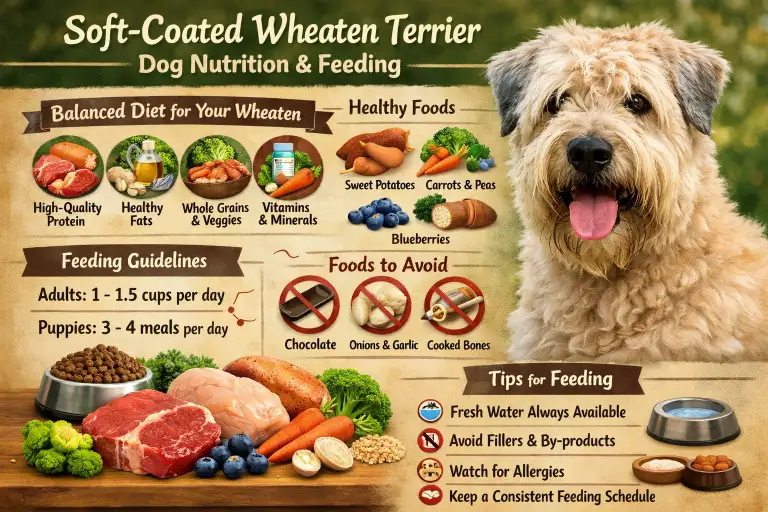
Welsh Springer Spaniels are energetic, food-motivated sporting dogs with a strong appetite and a naturally athletic build. What you put in their bowl directly affects not just their weight, but also their stamina, coat quality, digestion, joint health, and long-term disease risk. This breed thrives on the right balance of nutrition—and struggles quickly when that balance is off.Unlike some low-energy companion breeds, Welsh Springer Spaniels were developed to work long days in the field. Even today, many are highly active, excitable, and mentally driven dogs. When their diet doesn’t match their true energy output, problems show up fast: unwanted weight gain, constant hunger, poor coat condition, soft stools, or restless behavior despite “enough” exercise.
Nutrition also plays a major role in some breed-relevant concerns, including:
- Tendency toward weight gain after neutering or reduced activity
- Skin and ear issues that may worsen with poor-quality fats or inappropriate ingredients
- Joint stress over time if calories, protein, and micronutrients are mismanaged
- Digestive sensitivity when foods are switched too quickly or chosen poorly
Many owners unintentionally overfeed this breed—not because they’re careless, but because Welsh Springer Spaniels are enthusiastic eaters who act hungry even when their calorie needs are already met. Others underfuel active dogs, assuming “medium breed” means modest requirements, which can lead to muscle loss and low stamina.
This guide is designed to help you feed your Welsh Springer Spaniel based on:
- Their true energy level, not just their size
- Science-backed nutrition standards, not marketing claims
- Real-world feeding situations, including busy households, picky eating, and changing activity levels
Whether you have a growing puppy, an active adult, or a slowing senior, understanding why nutrition matters for this specific breed is the foundation for every feeding decision that follows.
Nutritional Needs of a Welsh Springer Spaniel
All dogs need six main nutrients:
- Protein
- Fat
- Carbohydrates
- Vitamins
- Minerals
- Water
What makes Welsh Springer Spaniels different is how much of each they need and how sensitive they can be to poor-quality food.
They are:
- Medium-sized but high energy
- Very food-driven (easy to overfeed)
- Prone to weight gain if calories are too high
- Dependent on good fats for coat and skin health
Macronutrients: protein, fat, and carbs
Macronutrient Balance for Welsh Springer Spaniels
| Nutrient | What It Does | Practical Guidance |
|---|---|---|
| Protein | Builds muscle, supports stamina, repairs body tissue | Should come from named animal sources like chicken, turkey, fish, or lamb |
| Fat | Provides energy and keeps skin and coat healthy | Too little causes dry coat, too much leads to weight gain |
| Carbohydrates | Provides steady energy and fiber for digestion | Should come from easy-to-digest sources like rice, oats, or sweet potato |
A good-quality commercial food that meets AAFCO or FEDIAF standards already balances these correctly for most healthy dogs.
Vitamins and minerals: small amounts, big impact
Vitamins and minerals support the parts of the body owners often don’t think about—joints, immune system, nerves, and digestion.
Key Vitamins & Minerals and What They Support
| Nutrient | Why It Matters for This Breed |
|---|---|
| Calcium & Phosphorus | Bone and joint strength |
| Zinc | Skin, coat, and immune health |
| Omega-3 fatty acids | Reduces inflammation, supports coat and joints |
| Vitamin E | Skin protection and immune support |
| B vitamins | Energy use and nervous system health |
Adding supplements is not usually needed unless your vet recommends them. Too many vitamins can be just as harmful as too few.
How to read dog food labels (without confusion)
Many dog foods look good on the front of the bag but tell the real story on the back.
When choosing food for a Welsh Springer Spaniel:
- Look for “Complete and Balanced” on the label
- Check that it meets AAFCO or FEDIAF standards
- Make sure a named animal protein is listed first
- Ignore marketing words like “premium,” “natural,” or “holistic” unless the nutrition facts support them
If a food does not list feeding trials or nutritional standards, it may not meet your dog’s needs long-term.
Simple rule to remember
For Welsh Springer Spaniels:
- Quality matters more than variety
- Balance matters more than trends
- Portions matter more than promises on the bag
Once the nutritional foundation is right, feeding becomes much easier.
How Much to Feed a Welsh Springer Spaniel (Calories & Portions)
Knowing how much to feed is one of the hardest parts of dog nutrition. Welsh Springer Spaniels often act hungry, even when they are already getting enough food. Feeding based only on bowl size or package pictures often leads to weight gain.
The best way to feed this breed is by calories, body shape, and activity level, not by guesswork.
Daily calorie needs
Most adult Welsh Springer Spaniels need moderate to high calories, depending on how active they are. A dog that runs, trains, or plays hard every day needs more food than a dog that mostly stays indoors.
Daily Calorie Needs by Weight and Activity Level
| Dog Weight | Low Activity | Moderate Activity | High Activity |
|---|---|---|---|
| 35 lb (16 kg) | 700–800 kcal | 850–950 kcal | 1,000–1,100 kcal |
| 40 lb (18 kg) | 800–900 kcal | 950–1,050 kcal | 1,100–1,250 kcal |
| 45 lb (20 kg) | 900–1,000 kcal | 1,050–1,150 kcal | 1,250–1,400 kcal |
These are daily totals, including treats.
A healthy Welsh Springer Spaniel should:
- Have a visible waist when viewed from above
- Have ribs you can feel but not see
- Not have a round or hanging belly
If your dog gains weight:
- Reduce food by about 10%
- Cut back on treats first
- Recheck body shape after 2–3 weeks
If your dog is too thin:
- Increase portions slowly
- Check for high activity or poor digestion
Portion Control Adjustments
| Situation | What to Do |
|---|---|
| Dog gaining weight | Reduce daily food slightly and limit treats |
| Dog always hungry | Add fiber-rich food, not more calories |
| Dog losing weight | Increase food slowly and monitor stools |
| After neutering | Lower calories to prevent fat gain |
Feeding Frequency by Life Stage
| Age | Meals Per Day |
|---|---|
| Puppy (up to 6 months) | 3–4 meals |
| Young adult | 2 meals |
| Adult | 2 meals |
| Senior | 2 smaller meals |
Feeding twice a day helps control hunger, energy swings, and begging behavior.
Treats count too
Treats should make up no more than 10% of daily calories. Welsh Springer Spaniels learn fast, so small treats work just as well as big ones.
Use:
- Tiny training treats
- Pieces of their regular kibble
- Safe low-calorie foods like carrots
Avoid feeding treats “just because.” This is a common reason dogs gain weight.
Measure food with a measuring cup or kitchen scale, not by eye. Small extra amounts add up over time.
Best Food Options for Welsh Springer Spaniels
There is no single “perfect” food for every Welsh Springer Spaniel. The best choice depends on your dog’s age, activity level, digestion, and your daily routine. What matters most is that the food is complete, balanced, safe, and fed in the right amount.
Below are the main food options owners choose from, along with their pros and cons.
Dog Food Types Compared
| Food Type | Benefits | Possible Downsides |
|---|---|---|
| Dry food (kibble) | Easy to store, affordable, helps clean teeth | Some low-quality brands use poor ingredients |
| Wet food (canned) | Tasty, good for hydration | Higher cost, can cause weight gain if overfed |
| Fresh cooked food | Very appealing, simple ingredients | Expensive, needs proper balance |
| Freeze-dried food | Long shelf life, nutrient-dense | Must be rehydrated, higher cost |
| Raw food | High protein, popular for active dogs | Risk of bacteria, needs expert planning |
| Homemade food | Full control over ingredients | Dangerous if not balanced correctly |
For most Welsh Springer Spaniels, a high-quality kibble or fresh food that meets AAFCO or FEDIAF standards is the safest and easiest option.
Not all ingredients are equal. Focus on food quality, not trends.
Ingredients to Prioritize vs Ingredients to Limit
| Prioritize These | Limit or Avoid These |
|---|---|
| Named meat (chicken, turkey, fish) | “Meat by-products” without details |
| Fish oil or flaxseed | Artificial colors and flavors |
| Rice, oats, sweet potato | Excess fillers like corn syrup |
| Natural preservatives | Too much fat for inactive dogs |
Grain-free food is not automatically better. Many Welsh Springer Spaniels digest grains well unless they have a diagnosed allergy.
Safe human foods and toxic foods
Some human foods can be healthy treats, but others are dangerous.
Safe vs Toxic Foods for Welsh Springer Spaniels
| Safe in Small Amounts | Never Feed |
|---|---|
| Carrots | Chocolate |
| Apples (no seeds) | Grapes and raisins |
| Cooked chicken (plain) | Onions and garlic |
| Rice | Xylitol (sweetener) |
| Plain yogurt | Alcohol |
Always introduce new foods slowly and in small amounts.
Treat rules that prevent weight gain
Treats should be used with purpose, not habit.
Good rules to follow:
- Treats should be less than 10% of daily calories
- Use small pieces for training
- Count treats as part of daily food
- Avoid feeding table scraps regularly
Welsh Springer Spaniels are smart and food-motivated. They do not need large treats to stay happy.
Simple reminder
The best food is one your dog:
- Digests well
- Maintains a healthy weight on
- Eats consistently without stomach issues
Special Diets, Common Feeding Problems, and Owner FAQs
Even with good food, Welsh Springer Spaniels can still have feeding problems. This breed loves food, eats fast, and can gain weight easily. Some also have sensitive stomachs or skin issues. The good news is that most problems can be fixed with small, smart changes.
Special Diet Needs by Situation
| Situation | What Helps Most |
|---|---|
| Overweight dog | Lower-calorie food, strict portions, fewer treats |
| Very active dog | Higher protein and fat, more calories |
| Sensitive stomach | Simple ingredients, slow food changes |
| Food allergies | Limited-ingredient diet, vet guidance |
| Senior dog | Joint support, fewer calories, easy digestion |
Never change to a special diet without giving the body time to adjust. Fast changes often cause stomach upset.
Common Feeding Problems and Practical Fixes
| Problem | What Usually Works |
|---|---|
| Dog always seems hungry | Check portions, reduce treats, add fiber |
| Weight gain | Measure food, lower calories slowly |
| Loose stool | Slow food transition, avoid table scraps |
| Picky eating | Set meal times, remove food after 20 minutes |
| Fast eating | Use a slow feeder bowl |
If a problem lasts more than a few weeks, a vet visit is a good idea.
Food switching without stomach upset
When changing food:
- Mix new food in slowly over 7–10 days
- Watch stool quality
- Do not add treats during the switch
- Stop and slow down if diarrhea appears
Most stomach problems happen because food changes are too fast.
When to see a vet or nutrition expert
Contact a professional if your Welsh Springer Spaniel:
- Loses or gains weight suddenly
- Has ongoing diarrhea or vomiting
- Refuses food for more than 24–48 hours
- Has skin, ear, or coat problems that don’t improve
A vet or veterinary nutritionist can rule out health issues and help build a safe diet plan.
Final feeding reminder
Good nutrition is not about feeding more or feeding fancy food. It is about feeding the right food, in the right amount, every day.
If your dog has:
- Good energy
- A healthy body shape
- Normal stools
- A shiny coat
You are doing it right.
For more detailed canine nutrition standards, visit the AAFCO Dog Food Nutrient Profiles.

Ata Ur Rehman is the founder of Pet Age in Human Years Calculator, an educational platform that provides age conversion charts and lifespan guides for dogs, cats, birds, and other companion animals. His work focuses on helping pet owners understand how animal ages translate into human years using commonly accepted age conversion formulas and published lifespan averages.
The website compiles breed and species lifespan data from kennel clubs, breed organizations, and general animal lifespan studies to present simple and easy-to-understand guides for pet owners worldwide.
This website was created to centralize animal age conversion charts into one easy reference platform for pet owners.