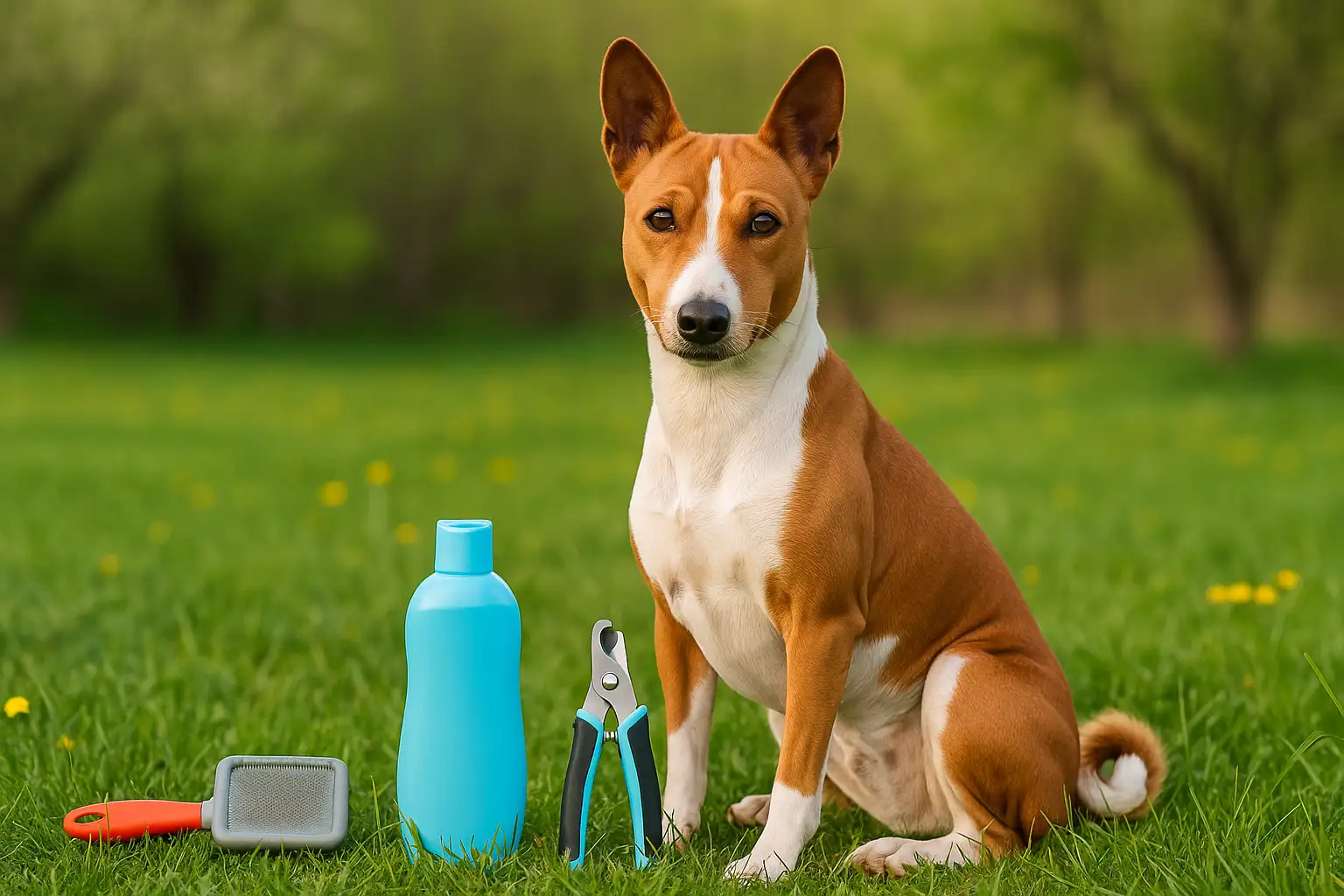
The Basenji has a short, fine coat and a naturally low shedding level, making it one of the easier dog breeds to groom at home. If you are wondering how much Basenjis shed, the short answer is: they do shed, but very lightly compared with most breeds.
This guide explains the Basenji shedding level, coat type, brushing routine, bathing schedule, and basic grooming care needed to keep their skin and coat healthy without overdoing maintenance.
Do Basenjis Shed? Basenji Shedding Level Explained
Yes, Basenjis shed, but their shedding level is low. Their short, smooth coat releases small amounts of hair gradually throughout the year instead of producing heavy seasonal shedding. Most owners notice light loose hair on clothing, furniture, or grooming tools rather than large clumps of fur.
Basenjis are not completely hypoallergenic, but their low-shedding coat and minimal odor make them easier to manage than many heavier-shedding breeds.
Why Proper Grooming Matters for Basenjis
Even though Basenjis are low-maintenance dogs, regular grooming still matters. Weekly brushing helps remove loose hair, reduce dander, distribute natural oils, and keep the coat smooth. Grooming sessions also give you a chance to check for dry skin, irritation, ear buildup, overgrown nails, or dental issues.
This is especially important for Basenjis because they are independent dogs that may resist handling if grooming is not introduced calmly and consistently. Short, positive grooming sessions help your Basenji stay comfortable with brushing, nail trims, ear checks, and basic coat care.
Basenji Grooming Routine: Quick Step-by-Step Guide
A Basenji does not need an intensive grooming routine. The goal is to keep their coat clean, skin healthy, nails short, and ears clear without bathing or brushing too often.
- Brush once per week with a rubber curry brush, soft bristle brush, or grooming mitt to remove light loose hair.
- Check ears every 2–4 weeks and clean only when needed using a dog-safe ear cleaning solution.
- Trim nails every 3–4 weeks to prevent discomfort, slipping, or changes in walking posture.
- Bathe every 1–3 months or only when dirty, using a mild dog shampoo that will not dry the skin.
- Brush teeth several times per week with dog-safe toothpaste to reduce plaque and support dental health.
Basenji Coat Type and Shedding Level
The Basenji’s coat is short, smooth, fine, and close-fitting. Because the coat is not thick or double-layered, loose hairs are usually minimal and easy to control with weekly brushing. Their shedding level is best described as low, with light year-round shedding rather than heavy coat blowouts.
As your Basenji moves from puppyhood to adulthood and then into the senior stage, grooming needs can change slightly. Older Basenjis may need more frequent skin checks, nail care, and comfort-focused grooming. For age-specific care planning, use the Basenji Age Calculator to estimate your dog’s life stage in human years.
Are Basenjis Hypoallergenic?
Basenjis are not fully hypoallergenic. No dog breed is guaranteed to be allergy-free. However, because Basenjis shed lightly and have a short coat, some allergy-sensitive owners may find them easier to live with than heavier-shedding breeds.
What Does a Basenji’s Coat Look Like?
A Basenji has a sleek, short, smooth coat that lies close to the body. Common coat colors include red and white, black and white, brindle and white, and tricolor, usually with white markings on the chest, feet, or tail tip.
Best Grooming Tools for Basenji Shedding and Coat Care
Because the Basenji has a short, fine, low-shedding coat, you do not need heavy-duty deshedding tools. The best grooming tools are gentle, simple, and designed to remove light loose hair without irritating the skin.
| Tool | Best Use |
|---|---|
| Rubber curry brush | Removes light loose hair and helps distribute natural oils through the coat. |
| Grooming mitt | Good for quick weekly brushing, especially for Basenjis that dislike firm brushes. |
| Soft bristle brush | Smooths the short coat and gives it a clean, polished look. |
| Mild dog shampoo | Useful for occasional baths without drying out the skin. |
| Dog nail clippers or grinder | Keeps nails short enough to prevent discomfort while walking. |
| Dog-safe ear cleaner | Helps remove visible wax or buildup when ear cleaning is needed. |
| Dog toothbrush and toothpaste | Supports dental hygiene and helps reduce plaque buildup. |
How Often Should You Bathe a Basenji?
Basenjis usually do not need frequent baths. Their coat is naturally clean, short, and low odor, so bathing too often can dry the skin and reduce natural coat oils. For most Basenjis, a bath every 1–3 months is enough unless they become dirty after outdoor activity.
| Bathing Need | Recommendation |
|---|---|
| Normal routine | Bathe every 1–3 months, depending on activity level and odor. |
| After dirt or mud | Rinse or bathe only when the coat is visibly dirty. |
| Shampoo type | Use a mild dog shampoo made for sensitive skin. |
| What to avoid | Avoid harsh shampoos, human shampoo, and unnecessary weekly bathing. |
Brushing and Managing Basenji Shedding
Basenjis shed lightly, so brushing is mainly about coat health rather than controlling heavy hair loss. A short weekly brushing session is usually enough to remove loose hair, keep the coat smooth, and reduce minor shedding around the home.
Use a rubber curry brush, grooming mitt, or soft bristle brush. Avoid aggressive deshedding tools because the Basenji’s coat is short and fine, and harsh tools can irritate the skin.
| Brushing Category | Recommendation |
|---|---|
| Brushing frequency | Once per week for most adult Basenjis. |
| Best tools | Rubber curry brush, grooming mitt, or soft bristle brush. |
| Shedding pattern | Light year-round shedding with possible slight increases during seasonal changes. |
| Main benefit | Removes loose hair, spreads natural oils, and keeps the coat smooth. |
Basenji Nail Care
Basenjis are active dogs, but their nails may not always wear down naturally. Nails that grow too long can cause discomfort, affect posture, or make walking on hard floors difficult. Most Basenjis need nail trimming every 3–4 weeks.
| Nail Care Area | Recommendation |
|---|---|
| Trimming frequency | Every 3–4 weeks, depending on nail growth and activity level. |
| Best tools | Dog nail clippers or a nail grinder. |
| Signs nails are too long | Clicking on floors, splayed toes, or reluctance to walk on hard surfaces. |
| Safety tip | Trim small amounts at a time and avoid cutting into the quick. |
Basenji Ear Cleaning
Basenjis have upright ears, which usually allow good airflow, but their ears should still be checked regularly. Clean only when you notice wax, dirt, or mild odor. Over-cleaning can irritate the ear canal, so routine checks are more important than unnecessary cleaning.
| Ear Care Area | Recommendation |
|---|---|
| Check frequency | Every 2–4 weeks. |
| Cleaning frequency | Only when visible buildup, wax, or mild odor appears. |
| What to use | Dog-safe ear cleaning solution and cotton pads. |
| What to avoid | Do not push cotton swabs deep into the ear canal. |
Basenji Dental Hygiene
Dental care is an important part of Basenji grooming because plaque and tartar can build up if teeth are ignored. Brushing several times per week helps support healthier gums, fresher breath, and better long-term comfort.
| Dental Care Area | Recommendation |
|---|---|
| Brushing frequency | 2–3 times per week, or daily if your Basenji tolerates it. |
| Best tools | Dog toothbrush and dog-safe toothpaste. |
| Extra support | Dental chews can help, but they should not fully replace brushing. |
| Warning signs | Bad breath, yellow buildup, red gums, or reluctance to chew. |
Basenji Skin and Coat Health
Basenjis usually have healthy skin and a naturally clean coat, but because their fur is short and fine, skin problems can become noticeable quickly. Dryness, flakes, irritation, or redness are easier to spot on a low-shedding coat, which is why regular grooming checks are important.
Most skin issues in Basenjis are linked to overbathing, harsh grooming products, seasonal dryness, allergies, or poor coat maintenance. Weekly brushing and gentle grooming habits help keep the skin healthy while reducing loose hair and dander.
| Skin and Coat Concern | What to Watch For |
|---|---|
| Dry skin | Flaking, mild dandruff, or rough-feeling coat texture. |
| Skin irritation | Redness, itching, or sensitivity after grooming or bathing. |
| Allergy-related issues | Persistent scratching, licking, or recurring irritation. |
| Excessive shedding | More loose hair than normal may indicate stress, poor diet, or skin irritation. |
| When to contact a vet | Persistent irritation, bald patches, scabs, or worsening skin condition. |
Basenji Grooming by Life Stage
Basenji grooming needs stay fairly simple throughout life, but puppies, adults, and senior dogs can require slightly different routines. Younger Basenjis benefit from short training-focused grooming sessions, while older dogs may need more frequent skin checks and nail care.
Understanding your Basenji’s life stage can help you adjust grooming habits more effectively. You can estimate your dog’s current stage using the Basenji Age Calculator to compare your dog’s age in human years.
| Life Stage | Grooming Focus |
|---|---|
| Basenji Puppy | Introduce brushing, paw handling, nail trims, and ear checks through short positive sessions. |
| Adult Basenji | Maintain a simple weekly brushing routine with regular nail, ear, and dental care. |
| Senior Basenji | Monitor skin dryness, nail length, and comfort more closely as activity levels change. |
Plan Basenji Grooming Around Your Dog’s Age
Basenji grooming is simple at every life stage, but your dog’s age still affects how you should approach care. Puppies need short handling sessions, adults need a steady maintenance routine, and senior Basenjis may need gentler brushing, closer skin checks, and more frequent nail monitoring.
To understand your Basenji’s current life stage more clearly, use the Basenji Age Calculator. It helps you compare your Basenji’s age in human years so you can adjust grooming, comfort checks, and care routines more confidently.
Seasonal Grooming Considerations for Basenjis
Basenjis do not go through heavy seasonal shedding like many double-coated breeds, but weather and climate changes can still affect their coat and skin condition. Slight increases in loose hair, dryness, or dirt buildup may happen during seasonal transitions.
| Season | Recommended Grooming Care |
|---|---|
| Winter | Watch for dry skin caused by indoor heating and avoid excessive bathing. |
| Summer | Brush weekly and rinse dirt or dust from the coat after outdoor activity. |
| Rainy weather | Towel dry after walks and check the coat for trapped dirt or debris. |
| Seasonal transitions | You may notice slightly more loose hair during weather changes. |
Basenji Behavior During Grooming
Basenjis are intelligent and independent dogs, so grooming behavior can vary from one dog to another. Some Basenjis stay calm during grooming, while others may become vocal, impatient, or sensitive around paw handling and nail trims.
Short, calm, reward-based grooming sessions usually work best. Building positive associations early helps reduce stress and makes regular grooming easier over time.
| Behavior | Recommended Response |
|---|---|
| Pulling away | Pause briefly and continue with shorter, calmer grooming sessions. |
| Vocalizing or yodeling | Stay calm and avoid turning grooming into a stressful experience. |
| Paw sensitivity | Handle paws gently and reward calm behavior during nail care practice. |
| Relaxed behavior | Use praise or treats to reinforce positive grooming habits. |
Common Basenji Grooming Mistakes to Avoid
Even though Basenjis are considered low-maintenance dogs, certain grooming mistakes can still lead to dry skin, discomfort, or unnecessary shedding problems. Keeping the routine simple and consistent is usually the best approach.
| Common Mistake | Better Approach |
|---|---|
| Bathing too often | Bathe only every 1–3 months or when the coat is truly dirty. |
| Using harsh shampoo | Use mild dog shampoo designed for sensitive skin. |
| Skipping nail trims | Trim nails regularly to prevent discomfort and posture issues. |
| Ignoring ear cleaning | Check ears regularly and clean only when buildup appears. |
| Never brushing the coat | Brush weekly to remove loose hair and support coat health. |
| Long stressful grooming sessions | Keep sessions short, calm, and reward-based. |
Grooming Advice Should Match Your Basenji’s Condition
The recommendations in this guide are suitable for most healthy Basenjis, but grooming should always be adjusted based on your dog’s skin condition, activity level, age, coat sensitivity, and comfort with handling. If your Basenji shows ongoing itching, redness, bald patches, pain, odor, or sudden changes in shedding, basic grooming may not be enough and professional guidance may be needed.
When to See a Professional Groomer
Most Basenjis can be groomed at home because they have a short, low-shedding coat. However, a professional groomer may be useful if your Basenji becomes stressed during handling, has overgrown nails, or needs help with a grooming task you cannot safely manage at home.
| Situation | When Professional Help Makes Sense |
|---|---|
| Overgrown nails | If your Basenji resists nail trimming or the nails are already too long to trim confidently at home. |
| Skin irritation | If you notice flakes, redness, bald patches, or irritation that needs careful handling. |
| Heavy dirt after outdoor activity | If your Basenji needs a deeper bath after mud, hiking, or outdoor play. |
| Difficult grooming behavior | If your Basenji pulls away, becomes anxious, or refuses basic handling during grooming. |
Basenji Grooming and Shedding FAQs
These answers cover the most common Basenji shedding and grooming questions, including how much Basenjis shed, whether they are hypoallergenic, and how often they need brushing or bathing.
Do Basenjis shed?
Yes, Basenjis shed, but their shedding level is low. Their short, fine coat releases small amounts of loose hair throughout the year rather than heavy seasonal shedding.
Do Basenjis shed a lot?
No, Basenjis do not shed a lot compared with many other breeds. Most owners notice light shedding that is easy to manage with weekly brushing.
Are Basenjis hypoallergenic?
Basenjis are not fully hypoallergenic. They may be easier for some allergy-sensitive owners because they shed lightly, but no dog breed is guaranteed to be allergy-free.
How often should you bathe a Basenji?
Most Basenjis only need a bath every 1–3 months, or when they become dirty. Bathing too often can dry the skin and reduce natural coat oils.
How often should you brush a Basenji?
Brush a Basenji once per week using a rubber curry brush, grooming mitt, or soft bristle brush. Weekly brushing helps remove light loose hair and keeps the coat smooth.
What is the best grooming tool for Basenji shedding?
A rubber curry brush or grooming mitt is usually best for Basenji shedding because these tools remove loose hair gently without irritating the short coat.
Does Basenji grooming change with age?
Yes, grooming needs can change slightly with age. Puppies need gentle handling practice, adults need a consistent basic routine, and senior Basenjis may need more frequent skin checks, nail care, and comfort-focused grooming.
Quick Basenji Grooming Routine Summary
Basenjis are low-maintenance dogs, but they still need a consistent grooming routine. Use this quick schedule to manage light shedding, protect skin health, and keep your Basenji comfortable.
| Grooming Task | Frequency | Purpose |
|---|---|---|
| Brushing | Once weekly | Removes light loose hair and keeps the short coat smooth. |
| Bathing | Every 1–3 months | Keeps the coat clean without stripping natural oils. |
| Nail trimming | Every 3–4 weeks | Prevents discomfort, slipping, and posture problems. |
| Ear checks | Every 2–4 weeks | Helps spot wax, odor, or irritation early. |
| Dental care | 2–3 times weekly | Helps reduce plaque, bad breath, and gum issues. |
| Skin check | Weekly | Helps catch dryness, flakes, redness, or irritation. |
Related Basenji Guides
For broader Basenji care, use these related guides next:
- Basenji Age Calculator
- Basenji Dog Age Chart
- Basenji Dog Full Guide
- Basenji Training Guide
- Basenji Nutrition and Feeding Guide
- Basenji Cost of Ownership Guide

Ata Ur Rehman is the founder of Pet Age in Human Years Calculator, an educational platform that provides age conversion charts and lifespan guides for dogs, cats, birds, and other companion animals. His work focuses on helping pet owners understand how animal ages translate into human years using commonly accepted age conversion formulas and published lifespan averages.
The website compiles breed and species lifespan data from kennel clubs, breed organizations, and general animal lifespan studies to present simple and easy-to-understand guides for pet owners worldwide.
This website was created to centralize animal age conversion charts into one easy reference platform for pet owners.