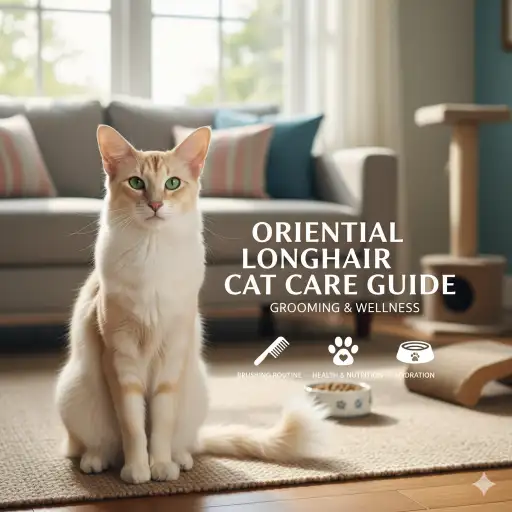
Oriental Longhairs are a striking breed known for their slender bodies, long legs, and silky, flowing coats. They are closely related to the Oriental Shorthair but have a coat that requires more attention. These cats are highly intelligent, energetic, and social. They enjoy interacting with people, playing games, and exploring their surroundings. Because of their active and affectionate nature, Oriental Longhairs need care that meets both their physical and mental needs. Understanding their unique traits helps owners provide the best environment for a happy and healthy cat.
The breed is known for being talkative and expressive. Oriental Longhairs use their voice to communicate with their humans, often letting you know when they are hungry, bored, or want attention. Their intelligence means they can quickly learn new behaviors, but it also means they need mental stimulation. Without proper engagement, they may become restless, overactive, or even develop unwanted behaviors like chewing on cords or scratching furniture. Providing toys, puzzles, and interactive play is essential to keep them content.
Physically, Oriental Longhairs are medium-sized cats with fine bones and a long, tapering tail. Their coat is fine, soft, and silky, but because it is long, it is prone to tangling and matting if not brushed regularly. Unlike some long-haired breeds, Oriental Longhairs do not shed excessively, but their coats still need consistent maintenance. Regular grooming not only keeps their coat smooth but also reduces hairballs and helps you check for skin or health issues.
Another important aspect of caring for Oriental Longhairs is understanding their lifespan and common health concerns. They typically live 12 to 15 years, and with proper care, some live even longer. They are generally healthy cats, but some can be prone to dental issues, gastrointestinal sensitivity, and obesity if their diet and activity are not carefully monitored. Early socialization, regular veterinary check-ups, and maintaining a safe, stimulating home environment are key to ensuring a long and happy life.
Daily & Essential Care Routines
Daily care is the foundation of keeping your Oriental Longhair healthy and happy. It includes feeding, hydration, litter box maintenance, short grooming checks, and interactive play. Proper daily routines prevent many common issues and make long-term care easier. A simple checklist can help ensure nothing is missed.
Feeding your cat is more than just giving food. It is important to follow portion sizes appropriate for their age, weight, and activity level. Most Oriental Longhairs thrive on high-quality commercial cat food. Fresh water should always be available. Some cats prefer running water, so a cat fountain can encourage proper hydration. Regular feeding schedules, rather than leaving food out all day, help maintain a healthy weight and prevent overeating.
Maintaining a clean litter box is another critical part of daily care. Scoop waste at least twice a day to keep the area clean and reduce odors. Many cats, especially sensitive Oriental Longhairs, may refuse to use a dirty box. Keep litter boxes in quiet, low-traffic areas and use clumping litter to make cleaning easier. For multi-cat households, ensure there are enough boxes—one per cat plus one extra.
Daily grooming doesn’t have to be long or stressful. Running a brush or comb through your cat’s coat for a few minutes helps prevent tangles and mats. Check ears and eyes for any signs of irritation, and wipe them gently if needed. Daily play and social interaction are equally important. Spend at least 15–30 minutes engaging your cat with toys, wand games, or puzzle feeders. This keeps them active, prevents boredom, and strengthens your bond.
Daily Care Checklist
| Task | Frequency | Notes |
|---|---|---|
| Feeding | Daily | Portion per age and weight |
| Water refresh | Daily | Use fountain if possible |
| Litter box clean | Daily | Scoop AM/PM |
| Quick brushing | Daily | Light coat check for tangles |
| Playtime | Daily | 15–30 minutes interactive |
Grooming Needs & Toolkit for Oriental Longhairs
Grooming is essential for Oriental Longhairs due to their fine, silky coat. Even though they do not shed heavily, their hair can easily tangle. Brushing and combing regularly keeps the coat smooth, reduces hairballs, and allows early detection of skin problems. Grooming is also a great way to bond with your cat and familiarize them with handling, making vet visits less stressful.
Oriental Longhairs need a few specific tools for proper grooming. A slicker brush helps remove loose hair and prevent mats. A wide-tooth comb is useful for detangling longer areas, especially around the chest, underarms, and tail. Nail clippers should be used every 2–3 weeks to prevent overgrown nails, which can be painful. Occasional use of a damp cloth or specialized wipes keeps eyes and ears clean.
Consistency in grooming matters. While kittens may need shorter, more frequent sessions to get used to being handled, adult and senior cats benefit from daily brushing sessions to maintain coat health. Bathing is rarely necessary, but some cats may enjoy a gentle bath once a month or as needed, especially if their coat gets dirty or greasy. Always use cat-specific shampoos and warm water.
Grooming Tools & Uses
| Tool | Purpose | Frequency |
|---|---|---|
| Slicker brush | Prevent mats | 3–5× weekly |
| Wide-tooth comb | Detangle | Weekly |
| Nail clippers | Paw care | Every 2–3 weeks |
| Soft cloth | Ear/eye clean | Occasional |
Grooming Frequency Guide
| Groom Task | Kitten | Adult | Senior |
|---|---|---|---|
| Full brushing | 2–3× weekly | Daily | Daily |
| Bathing | Rare | Monthly | As needed |
| Nail trimming | Weekly | Every 2–3 weeks | Every 2–3 weeks |
Health, Signs to Watch, & When to See a Vet
Keeping your Oriental Longhair healthy involves monitoring for early warning signs and scheduling regular veterinary checkups. Even generally healthy breeds can develop issues if early symptoms are missed. Regular checkups allow for preventive care, vaccinations, dental cleanings, and weight monitoring.
Some health concerns are more common in Oriental Longhairs. Dental problems, like gingivitis and tartar buildup, can occur without proper care. Gastrointestinal sensitivity may cause occasional vomiting or diarrhea if their diet changes suddenly. Obesity can develop if feeding portions are not controlled or activity is low. Hairballs are also common due to long fur, but regular grooming helps prevent them.
Owners should watch for warning signs. Excessive scratching can indicate skin problems or parasites. Sudden weight loss, vomiting, lethargy, or changes in appetite are signals to contact a vet. Behavioral changes, like hiding, aggression, or vocalization changes, may also point to underlying health issues. Early detection improves treatment outcomes and keeps your cat comfortable.
Warning Signs & Actions
| Sign | What it Could Mean | What to Do |
|---|---|---|
| Excessive scratching | Skin issues or fleas | Check for fleas → Vet |
| Weight loss | Illness | Monitor & Vet |
| Bad breath | Dental disease | Dental check |
| Vomiting hairballs | Hair accumulation | More frequent brushing |
| Lethargy | Possible illness | Vet evaluation |
Enrichment, Behavior & Happy Cat Tips
Oriental Longhairs are highly active, curious, and social cats. Without proper enrichment, they can become bored, anxious, or destructive. Providing mental and physical stimulation is just as important as grooming and feeding. Interactive toys, climbing structures, and puzzle feeders give them challenges and satisfaction.
Playtime should be structured and consistent. Wand toys, feather teasers, and laser pointers are excellent ways to encourage natural hunting behavior. Short, frequent sessions throughout the day keep cats mentally sharp and reduce stress. For high-energy cats, rotating toys helps prevent boredom. Puzzle feeders also encourage problem-solving and slow feeding.
Behavioral understanding is key. Oriental Longhairs are social and may dislike being left alone for long periods. If you have a busy schedule, consider providing a companion cat or interactive toys that keep them engaged. Multi-cat households require attention to territory and resources; provide enough litter boxes, feeding stations, and sleeping areas to prevent conflict.
Indoor vs outdoor considerations matter too. Indoor cats are safer from traffic, predators, and disease, but they need more enrichment to satisfy curiosity. Outdoor access should be supervised or provided via a secure catio. Vertical spaces, climbing shelves, and window perches help satisfy climbing instincts safely.
Enrichment Activities by Cat Type
| Activity | Best For | Time Needed |
|---|---|---|
| Puzzle feeder | Food motivated | 5–10 min |
| Wand play | High energy | 10–15 min |
| Climbing posts | Active cats | On-going |
| Hide & seek toys | Curious cats | 5–10 min |
| Training tricks | Intelligent cats | 5 min/day |
Oriental Longhairs are beautiful, intelligent, and affectionate cats that thrive with daily care, proper grooming, health monitoring, and enrichment. By following structured routines, observing warning signs, and providing mental and physical stimulation, you can ensure a happy, long, and healthy life for your cat. Regular interaction, safe environmental setups, and consistent routines make them feel secure and loved. Understanding their unique behavior and needs allows owners to prevent problems and enjoy a strong bond with their feline companion.
For more detailed care tips and breed-specific guidance, you can visit the American Association of Feline Practitioners (AAFP) website at https://catfriendly.com.

Ata Ur Rehman is the founder of Pet Age in Human Years Calculator, an educational platform that provides age conversion charts and lifespan guides for dogs, cats, birds, and other companion animals. His work focuses on helping pet owners understand how animal ages translate into human years using commonly accepted age conversion formulas and published lifespan averages.
The website compiles breed and species lifespan data from kennel clubs, breed organizations, and general animal lifespan studies to present simple and easy-to-understand guides for pet owners worldwide.
This website was created to centralize animal age conversion charts into one easy reference platform for pet owners.