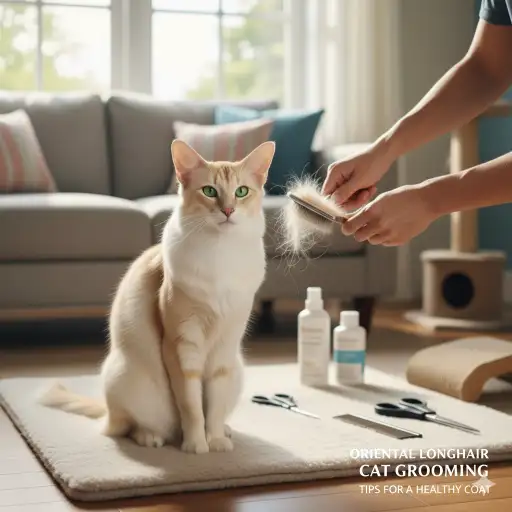
Oriental Longhairs are known for their sleek, silky coats and playful, curious personalities. Grooming is an essential part of their care because it helps keep their fur smooth, reduces shedding, and prevents painful mats. Regular grooming also allows you to check your cat for skin issues, parasites, or signs of illness. Even though cats naturally groom themselves, human assistance is important for long-haired breeds to maintain their health and comfort.
Grooming is not just about appearance; it is about your cat’s overall wellbeing. Cats with long, fine fur like Oriental Longhairs are prone to tangles and mats, especially in high-friction areas like the belly, armpits, and behind the ears. Mats can cause discomfort, skin irritation, and even infection if left untreated. Starting a regular grooming routine ensures your cat’s coat stays healthy, and it can make brushing and handling easier as they grow.
Another important reason for grooming is bonding. Many cats enjoy gentle brushing when done correctly. Spending just a few minutes each day brushing or checking your cat can strengthen your relationship. It also allows you to monitor behavior, appetite, and any unusual lumps or bumps. Regular grooming becomes a calm, positive activity rather than a stressful chore if your cat is accustomed to it from a young age.
Finally, grooming helps control shedding and hairballs. Oriental Longhairs shed more than short-haired cats, and excessive loose hair can be swallowed during self-grooming. This may lead to hairballs, which can cause vomiting or digestive discomfort. Brushing your cat regularly removes loose hair and reduces the chance of hairballs forming. By understanding the importance of grooming, you are taking a key step toward keeping your Oriental Longhair healthy, happy, and comfortable.
Understanding Your Cat’s Grooming Needs
Not all cats need the same grooming routine. Oriental Longhairs have medium-to-long silky fur that requires daily attention. Their thin, fine coat can easily tangle, so brushing every day or at least every other day is recommended. Some cats shed more in spring and fall, so grooming frequency may need to increase during these seasonal changes.
Age also affects grooming needs. Kittens may require shorter sessions and softer brushes to get used to human handling. Adult cats are usually easier to groom if a routine is established early. Senior cats may have less flexibility and less self-grooming ability, so they may need extra brushing and care in sensitive areas.
Behavior and personality also matter. Oriental Longhairs are active, intelligent, and sometimes sensitive. They may become stressed if grooming is rushed or rough. Understanding your cat’s stress signals, like flattened ears, twitching tail, or hissing, is important. Break sessions into short intervals and use treats or gentle petting to make grooming a positive experience.
Indoor and outdoor lifestyles change grooming needs as well. Outdoor cats may have more debris in their coat, while indoor cats shed more due to less natural wearing of fur. Regular brushing removes loose hair, prevents mats, and keeps the coat shiny, regardless of your cat’s lifestyle. A clear grooming routine tailored to your cat’s age, coat type, and personality ensures comfort and minimizes stress.
Brushing Basics: Tools, Techniques, and Frequency
Brushing is the most important grooming step for Oriental Longhairs. The right tools and technique prevent mats, reduce shedding, and keep the coat healthy. Use a combination of brushes: a soft-bristle brush for gentle smoothing, a comb to reach tangles, and a slicker brush for removing loose undercoat. Avoid wire brushes that are harsh on the skin.
Start brushing with gentle strokes in the direction of hair growth. Focus on areas prone to tangling, such as behind the ears, under the legs, and around the belly. Lift the tail carefully and check the tail base, as mats can form in this area unnoticed. If you find a small knot, hold the hair close to the skin and gently comb it out. Never pull hard, as this can hurt your cat and make them resist future grooming.
The table below shows recommended brushing frequency based on age and coat length:
| Cat Age | Coat Type | Brushing Frequency | Notes |
|---|---|---|---|
| Kitten (up to 6 months) | Fine long hair | 2–3 times/week | Short sessions, gentle brushing |
| Adult (1–7 years) | Long, silky | Daily or every other day | Focus on high-friction areas |
| Senior (7+ years) | Long, fine | Every 2 days | Extra care for less flexible areas |
| Shedding season | Long, silky | Daily | Helps reduce hairballs and mats |
Always observe your cat’s reactions. If they are stressed, slow down, take breaks, and reward them with a treat or gentle petting. Brushing is not just for the coat; it also serves as a way to monitor skin health, detect bumps, or spot parasites. Over time, your cat will associate brushing with comfort and attention.
Nail Trimming, Bathing, and Hygiene
Trimming nails, bathing, and general hygiene are essential for long-haired cats. Nail trimming prevents overgrowth, scratching damage, and injury to yourself or your cat. Use a proper cat nail clipper and avoid cutting the quick, which is the pink part inside the nail. Trim only the tip of the nail, and do one or two nails at a time if your cat is nervous. Reward your cat after trimming to reinforce positive behavior.
Bathing is rarely necessary for Oriental Longhairs unless the coat is greasy, dirty, or there is a medical need. Most cats groom themselves, and overbathing can dry out the skin. When a bath is needed, use lukewarm water, a cat-safe shampoo, and gently lather, avoiding the face. Rinse thoroughly and dry with a soft towel, then use a brush to prevent tangles while the coat dries.
Ear and eye hygiene should also be part of the grooming routine. Clean ears with a cotton pad or soft cloth; do not insert anything into the ear canal. Check eyes for discharge or tear staining and wipe gently. Dental hygiene is also crucial—brushing teeth with a cat-safe toothpaste prevents plaque and gum disease.
The following table summarizes key hygiene tasks and frequency:
| Task | Recommended Frequency | Notes |
|---|---|---|
| Nail trimming | Every 2–3 weeks | Adjust for growth rate |
| Bathing | As needed | Only when coat is dirty or greasy |
| Ear cleaning | Monthly | Look for redness or odor |
| Eye cleaning | Weekly | Remove minor discharge gently |
| Dental care | 2–3 times/week | Use cat-safe toothpaste |
Maintaining these routines ensures your Oriental Longhair remains healthy and comfortable while preventing stress-related behavior caused by matting, dirty ears, or overgrown nails.
Handling, Safety, and Stress Awareness
Oriental Longhairs are sensitive cats, and grooming can be stressful if done incorrectly. Reading stress signals is key. Signs of discomfort include hissing, growling, flattened ears, swishing tail, and attempts to escape. Always approach grooming calmly, speak softly, and use short sessions if needed.
Create a safe grooming environment: a quiet room, non-slip surface, and minimal distractions. Have tools ready to avoid leaving your cat unattended. Use treats, praise, and gentle stroking to reinforce calm behavior. For nervous cats, start with just a few minutes of brushing and gradually increase the duration over time.
Some grooming mistakes are common but preventable. Avoid pulling on mats, trimming nails too quickly, or bathing too often. Never use human products like shampoos or nail polish remover. Check your cat’s coat and skin daily to catch early signs of mats, irritation, or parasites. Keeping grooming positive and stress-free helps your cat develop trust and enjoy future sessions.
Oriental Longhairs can thrive with consistent, gentle handling, and proper preparation. By combining brushing, nail care, bathing when needed, and hygiene routines, your cat remains healthy and stress-free. Professional groomers or veterinarians should be consulted for mats, skin issues, or behavioral challenges beyond your ability to safely manage at home.
Grooming Frequency Guide and Quick Reference
A simple table summarizing a full grooming routine can help busy owners remember what to do and when. This table combines brushing, nail care, bathing, ear, eye, and dental hygiene into one easy reference:
| Grooming Task | Frequency | Tips |
|---|---|---|
| Brushing | Daily / every other day | Focus on armpits, belly, tail base |
| Nail trimming | Every 2–3 weeks | Only trim the tip, avoid the quick |
| Bathing | As needed | Use cat-safe shampoo, gentle towel dry |
| Ear cleaning | Monthly | Use soft cloth, check for redness or odor |
| Eye cleaning | Weekly | Wipe minor discharge gently |
| Dental care | 2–3 times/week | Use cat toothpaste or dental treats |
Following this guide ensures that grooming is manageable, efficient, and keeps your Oriental Longhair healthy. Making grooming a consistent habit will also reduce stress and improve bonding between you and your cat.
For more in-depth cat grooming tips, check out resources from the American Association of Feline Practitioners.

Ata Ur Rehman is the founder of Pet Age in Human Years Calculator, an educational platform that provides age conversion charts and lifespan guides for dogs, cats, birds, and other companion animals. His work focuses on helping pet owners understand how animal ages translate into human years using commonly accepted age conversion formulas and published lifespan averages.
The website compiles breed and species lifespan data from kennel clubs, breed organizations, and general animal lifespan studies to present simple and easy-to-understand guides for pet owners worldwide.
This website was created to centralize animal age conversion charts into one easy reference platform for pet owners.