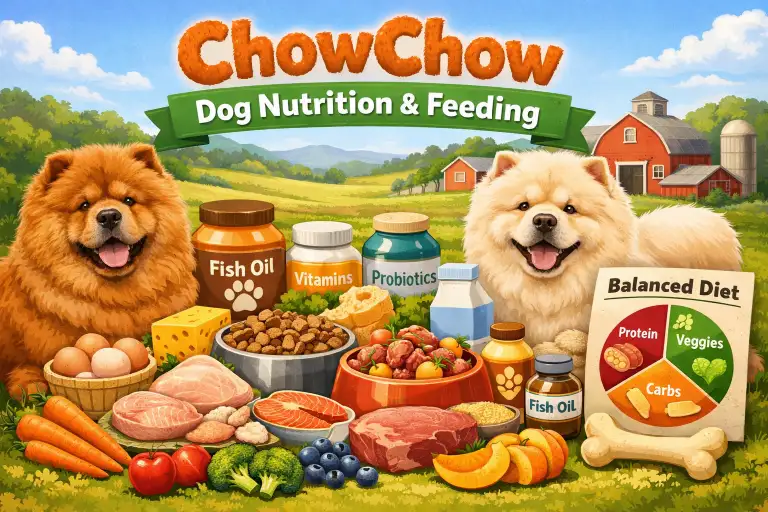
Chow Chows are a unique breed with their own nutritional needs, and feeding them properly is essential for their overall health, longevity, and well-being. Unlike some other breeds, Chow Chows are prone to weight gain, digestive sensitivity, and skin and coat issues, which makes nutrition a cornerstone of responsible care.
Proper nutrition not only fuels their energy and supports muscle maintenance but also plays a critical role in maintaining a healthy coat, strong joints, and stable blood sugar levels. A well-balanced diet can help prevent obesity, reduce the risk of chronic health conditions, and even influence behavior by keeping your Chow Chow energetic and comfortable.
This guide is designed to help Chow Chow owners understand what nutrients their dog needs, how much to feed, which types of food work best, and how to handle common feeding challenges. Whether you have a playful puppy, an active adult, or a senior Chow Chow, the information here will give you practical tools to ensure your dog thrives at every stage of life.
Chow Chow Nutritional Needs
Chow Chows need the right balance of protein, fat, carbohydrates, vitamins, and minerals to stay healthy. Their diet affects their energy, weight, coat, skin, and overall well-being. Puppies, adults, and seniors have different needs, so feeding the right nutrients at the right age is important.
Protein helps build and maintain strong muscles. Fat gives energy and helps keep the skin and coat healthy. Carbohydrates provide fuel for daily activity. Vitamins and minerals support the immune system, bones, and overall health.
Here is a simple guide to the nutrients your Chow Chow needs at different life stages:
| Life Stage | Protein (%) | Fat (%) | Carbohydrates (%) | Key Vitamins & Minerals | Notes |
|---|---|---|---|---|---|
| Puppy | 22-28 | 8-15 | 30-40 | Calcium, Phosphorus, DHA | Supports growth, strong bones, and brain development |
| Adult | 18-25 | 8-15 | 30-40 | Vitamin E, Zinc, Omega-3 | Maintains energy, coat, and joint health |
| Senior | 18-22 | 6-12 | 25-35 | Glucosamine, Omega-3, Antioxidants | Supports joints, digestion, and healthy aging |
It’s important to remember that not all Chow Chows are the same. Active dogs may need more calories and protein, while less active dogs need smaller portions to avoid weight gain. Always monitor your dog’s weight and body condition, and adjust feeding as needed.
A well-balanced diet keeps your Chow Chow strong, energetic, and happy while helping prevent common problems like obesity, digestive issues, and dull coats.
How Much to Feed and Feeding Schedules
Feeding the right amount of food is very important for Chow Chows. Too much food can make them gain weight, and too little can make them weak or slow-growing. The amount depends on your dog’s age, weight, activity level, and life stage.
Puppies need more calories and protein to grow, adults need enough energy to stay active, and seniors need fewer calories to prevent weight gain.
Here is a daily feeding guide by weight and life stage:
| Life Stage | Weight (lbs) | Daily Calories | Portion Size (Cups of Kibble) |
|---|---|---|---|
| Puppy | 10-20 | 400-600 | 2-3 |
| Puppy | 20-40 | 600-900 | 3-4.5 |
| Adult | 30-50 | 800-1200 | 3.5-5 |
| Adult | 50-70 | 1200-1600 | 5-6.5 |
| Senior | 30-50 | 700-1000 | 3-4 |
| Senior | 50-70 | 1000-1400 | 4-5 |
Feeding frequency is also important. Puppies need smaller meals more often, while adults and seniors usually do well with two meals per day.
| Life Stage | Meals per Day |
|---|---|
| Puppy | 3-4 |
| Adult | 2 |
| Senior | 2 |
Tips for feeding your Chow Chow:
- Watch your dog’s body condition. You should be able to feel the ribs without seeing them.
- Adjust portions if your dog is gaining too much weight or seems too thin.
- Keep feeding times consistent to prevent begging or overeating.
- Active dogs may need slightly more calories, and less active dogs may need less.
Choosing the Right Food and Safe Options
Choosing the right food for your Chow Chow is very important. Different types of food have different benefits, costs, and preparation needs. You also need to know which human foods are safe and which are dangerous.
Here is a simple comparison of food types:
| Food Type | Pros | Cons | Best Use |
|---|---|---|---|
| Kibble (dry food) | Easy to store, good for teeth, convenient | Can be processed, may contain fillers | Daily feeding for adults |
| Canned/Wet Food | Tasty, high moisture, good for picky eaters | More expensive, shorter shelf life | Mix with kibble or for picky eaters |
| Raw Diet | High protein, natural | Needs careful handling, risk of bacteria | For owners familiar with raw feeding |
| Fresh/Pre-cooked | High quality ingredients, balanced | Expensive, short shelf life | For special diets or sensitive stomachs |
| Freeze-Dried | Easy storage, retains nutrients | More expensive | Occasional meals or supplements |
| Homemade | Full control over ingredients | Must be balanced, needs planning | Special diets or allergies |
Chow Chows can also eat some human foods, but many are toxic. Here is a quick guide:
| Safe Foods | Foods to Avoid |
|---|---|
| Carrots, green beans, apples (no seeds), pumpkin | Chocolate, grapes, raisins, onions, garlic, avocado |
| Plain cooked chicken or turkey | Alcohol, caffeine, xylitol (in sugar-free gum/candy) |
| Plain rice or oatmeal | Macadamia nuts, bones that splinter |
Treats are helpful for training, but too many can cause weight gain. Here are safe treat guidelines:
| Treat Type | Max Daily Amount |
|---|---|
| Small commercial treats | 5-6 pieces |
| Fruits/vegetables | 2-3 small pieces |
| Training treats | Keep total under 10% of daily calories |
Feeding your Chow Chow the right food and treats helps maintain weight, healthy skin and coat, and overall energy. Always read labels and choose high-quality ingredients that match your dog’s life stage and activity level.
Special Diets, Common Challenges, and Owner Solutions
Some Chow Chows have special dietary needs. Puppies, adults, and seniors can have different problems, and some dogs may have allergies, sensitive stomachs, or need to lose or gain weight. Knowing how to handle these challenges keeps your dog healthy and happy.
Here is a special diet guide for common conditions:
| Condition | Recommended Food | Notes |
|---|---|---|
| Allergies | Limited ingredient diet, hypoallergenic food | Avoid common allergens like chicken or grains if sensitive |
| Sensitive Stomach | Digestible kibble or fresh food, smaller meals | Feed slowly and avoid sudden changes |
| Overweight | Low-fat, high-fiber diet | Reduce portions gradually, monitor weight weekly |
| Underweight | High-calorie, protein-rich food | Feed slightly more frequent meals, monitor growth |
| High-energy/working dogs | High-protein, high-fat balanced diet | Supports energy and muscle maintenance |
| Low-activity dogs | Moderate protein, moderate fat diet | Prevents weight gain and joint stress |
Chow Chows can also have common feeding challenges. This table shows problems, possible causes, and solutions:
| Problem | Possible Cause | Solution |
|---|---|---|
| Picky eater | Bored or sensitive to taste | Try mixing food types, warm food slightly |
| Loose stool | Sudden food change, sensitive stomach | Gradually switch food, use digestible diet |
| Weight gain | Overfeeding or low activity | Adjust portions, increase exercise |
| Slow eater | Breed trait or dental issues | Feed smaller meals, use shallow bowls |
| Food aggression | Competition between dogs | Feed separately, supervise meals |
Tips for owners:
- Always switch food slowly over 7-10 days to avoid digestive upset.
- Monitor your dog’s weight and body condition weekly.
- Treats should not exceed 10% of daily calories.
- If you see sudden weight loss, persistent diarrhea, or loss of appetite, consult your veterinarian.
For more detailed Chow Chow breed health and nutrition advice, visit the American Kennel Club Chow Chow Breed Page.

Ata Ur Rehman is the founder of Pet Age in Human Years Calculator, an educational platform that provides age conversion charts and lifespan guides for dogs, cats, birds, and other companion animals. His work focuses on helping pet owners understand how animal ages translate into human years using commonly accepted age conversion formulas and published lifespan averages.
The website compiles breed and species lifespan data from kennel clubs, breed organizations, and general animal lifespan studies to present simple and easy-to-understand guides for pet owners worldwide.
This website was created to centralize animal age conversion charts into one easy reference platform for pet owners.