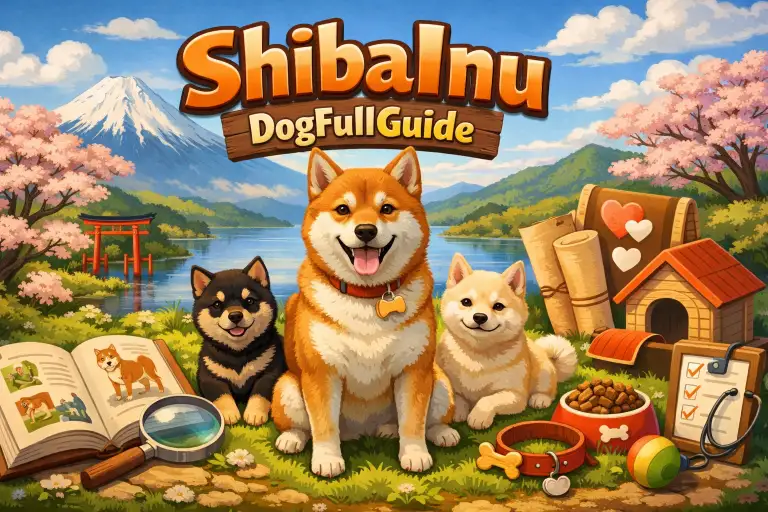
The Shiba Inu dog is one of the oldest and most culturally significant dog breeds in the world, originating in Japan thousands of years ago. Long before becoming an internet icon or companion pet, the Shiba Inu was bred as a small, agile hunting dog, used to flush birds and small game through dense underbrush in mountainous regions. In fact, the word “Shiba” is commonly interpreted as either “brushwood” (referring to the terrain it hunted in) or “small,” both of which accurately describe the breed’s original role.
Unlike many modern breeds shaped heavily by Western kennel clubs, the Shiba Inu is considered a primitive spitz-type breed. This means it retains many traits close to its ancient ancestors, including strong independence, high alertness, and a self-sufficient mindset. These characteristics are not training flaws—they are evolutionary features that helped the breed survive and work with minimal human direction.
During World War II, the Shiba Inu population in Japan nearly disappeared due to bombing, food shortages, and disease outbreaks such as distemper. The breed survived only because of focused preservation efforts using three regional bloodlines—Shinshu, Mino, and San’in. Modern Shiba Inus are the result of carefully blending these lines, which is why the breed today has a standardized appearance but still shows subtle personality variation.
The Shiba Inu was officially recognized by the Japanese Kennel Club in the mid-20th century and later by international organizations such as the FCI and the American Kennel Club (AKC), where it is currently classified in the Non-Sporting Group. Despite its compact size, the breed is not a “toy” dog in temperament. Its history as a hunter and survivor strongly influences how Shiba Inus behave in modern homes—particularly their confidence, alertness, and resistance to blind obedience.
To quickly understand where the Shiba Inu fits among dog breeds, the table below provides a clear snapshot.
| Trait | Details |
|---|---|
| Country of origin | Japan |
| Breed type | Spitz / Primitive |
| Original purpose | Small game hunting |
| AKC group | Non-Sporting |
| FCI classification | Spitz and Primitive Types |
| General temperament | Independent, alert, confident |
Understanding the Shiba Inu’s background is essential before judging its behavior by modern companion-dog standards. Many of the traits people find “challenging” today—aloofness, selective listening, strong boundaries—are direct reflections of a breed that was never designed to be submissive, but rather self-reliant and highly aware of its environment.
Shiba Inu Appearance, Size, and Physical Characteristics
The Shiba Inu dog is small to medium in size, but it has a strong, athletic body. Many people are surprised by how solid and muscular a Shiba Inu feels when they first handle one. This breed was built for movement, balance, and quick reactions, not for being a lap dog.
Most adult Shiba Inus stand between 13.5 and 16.5 inches tall at the shoulder. Their weight usually falls between 17 and 23 pounds, with males being slightly larger than females. Even though they are compact, Shiba Inus are powerful for their size and can jump, climb, and escape more easily than many other breeds.
Shiba Inus have a double coat, which means two layers of fur. The outer coat is straight and stiff, while the inner coat is soft and thick. This coat protects them from cold weather and rough outdoor conditions. Because of this double coat, Shiba Inus shed all year and shed heavily during seasonal coat changes, often called “blowing coat.”
The breed comes in several recognized colors. The most common is red, but Shiba Inus can also be black and tan, sesame (a mix of black and red hairs), and cream. Most Shiba Inus have pale markings on the chest, cheeks, belly, and inside of the legs. These light areas are called urajiro and are a key feature of the breed.
One of the most famous Shiba Inu features is the curled tail, which rests over the back. The tail can curl tightly or form a looser sickle shape. Their face is often described as fox-like, with small upright ears and dark, alert eyes that give the breed a confident and watchful expression.
The table below makes it easier to understand the Shiba Inu’s physical traits at a glance.
| Feature | Description |
|---|---|
| Height | 13.5–16.5 inches |
| Weight | 17–23 pounds |
| Body type | Compact, muscular |
| Coat | Double coat |
| Shedding | Moderate year-round, heavy seasonal |
| Tail | Curled over the back |
Because of their body type and coat, Shiba Inus are very clean dogs and rarely have a strong odor. However, their thick coat means they need regular brushing, especially during shedding seasons. Their physical traits are not just for looks—they are closely tied to how active, alert, and independent this breed is in daily life.
Shiba Inu Temperament, Personality, and Real-Life Behavior
The Shiba Inu dog is known for having a strong and unique personality. This breed is often described as confident, independent, and very aware of its surroundings. Shiba Inus do not act like dogs that want to please people all the time. Instead, they think for themselves and choose when to listen.
With family members, Shiba Inus are loyal and protective. They usually bond closely with one or two people rather than the whole household. Many owners say their Shiba shows love quietly, by staying nearby or watching them, instead of seeking constant hugs. This does not mean the dog is cold. It simply shows affection in a calm and respectful way.
Around strangers, Shiba Inus are often reserved. They may keep their distance and observe before trusting someone new. This behavior comes from their history as alert hunting dogs. Early social training helps, but most Shiba Inus will never be overly friendly with strangers, and that is normal for the breed.
Shiba Inus can live with children, but clear rules are very important. They do best with older children who understand how to respect a dog’s space. Rough handling or sudden grabbing can make a Shiba uncomfortable. When treated kindly, they are patient and gentle, but they do not enjoy being forced into play.
When it comes to other pets, Shiba Inus can be challenging. They have a strong prey drive, which means they may chase small animals like cats, rabbits, or birds. Some Shiba Inus can live with cats if raised together, but this is not guaranteed. With other dogs, they may be selective and sometimes show same-sex aggression, especially if not well socialized.
The table below helps explain the Shiba Inu temperament in a simple and clear way.
| Trait | Level |
|---|---|
| Independence | High |
| Affection | Medium (on their terms) |
| Trainability | Medium to low |
| Prey drive | High |
| Stranger friendliness | Low to medium |
| Loyalty | High |
Many people think Shiba Inus are aggressive or unfriendly, but this is a myth. In reality, they are confident and self-controlled. They do not panic easily, and they dislike being pushed into situations they do not like. Understanding this mindset helps owners build a respectful and happy relationship with the breed.
Shiba Inu Care, Exercise, Training, and Grooming Needs
The Shiba Inu dog needs regular care to stay healthy and calm. Even though this breed is small, it has high energy and a sharp mind. When a Shiba Inu does not get enough activity or attention, it may become bored and start unwanted behaviors like chewing, digging, or trying to escape.
Shiba Inus need daily exercise. Short walks are not enough for most of them. They enjoy longer walks, safe playtime in a secure area, and chances to explore new smells. Because of their strong prey drive, Shiba Inus should always be on a leash unless they are in a fully fenced space. Off-leash play in open areas is risky, as many Shiba Inus will not come back when called.
Mental activity is just as important as physical exercise. Puzzle toys, training games, and short learning sessions help keep their mind busy. Shiba Inus are very smart, but they can lose interest fast. Training works best when sessions are short, calm, and rewarding. Harsh training methods do not work well and can damage trust.
Grooming a Shiba Inu is usually simple, but shedding can be heavy at certain times of the year. They have a thick double coat that sheds lightly all year and heavily during seasonal coat changes. Regular brushing helps control loose hair and keeps the skin healthy. Most Shiba Inus are very clean and often groom themselves like cats.
Bathing is only needed occasionally. Many Shiba Inus dislike baths, so early handling and calm routines help a lot. Nail trimming, ear cleaning, and teeth brushing should be done regularly, even though the breed may resist at first.
The table below shows the daily and weekly care needs in a simple way.
| Care Area | Requirement |
|---|---|
| Daily exercise | 45–60 minutes |
| Mental stimulation | High |
| Leash use | Always recommended |
| Training style | Calm, reward-based |
| Brushing | Weekly (daily during shedding) |
| Bathing | Occasional |
| Heat tolerance | Low to medium |
Because Shiba Inus have thick coats, they can struggle in very hot weather. Extra care is needed during summer, including shade, fresh water, and shorter walks during cooler times of the day.
Is a Shiba Inu the Right Dog for You? Cost, Health, Pros & Cons
The Shiba Inu dog is not the right choice for everyone. This breed can be a great companion for the right person, but it can also be frustrating for owners who expect an easy or very obedient dog. Understanding the full picture before choosing a Shiba Inu is very important.
Shiba Inus usually live 12 to 16 years when well cared for. They are generally healthy dogs, but like all breeds, they can have some common health problems. These may include allergies, knee issues (patellar luxation), eye problems, and hip concerns. Buying from a responsible breeder who does health testing can reduce risks.
The cost of owning a Shiba Inu can be higher than many people expect. Puppies from good breeders often cost more because of careful breeding and health checks. Ongoing costs include food, grooming tools, vet visits, training support, and possible allergy care. Because Shiba Inus are known to escape and explore, some owners also choose pet insurance for extra safety.
Shiba Inus do best with owners who enjoy structure, patience, and routine. They are not ideal for people who want a very cuddly or always-obedient dog. However, for owners who respect their independence, Shiba Inus can be loyal, clean, and deeply bonded companions.
The table below shows the main pros and cons in a clear and simple way.
| Pros | Cons |
|---|---|
| Very clean and low odor | Difficult recall |
| Loyal to their owner | Strong independent nature |
| Compact size | Heavy seasonal shedding |
| Alert and confident | High prey drive |
| Quiet compared to many breeds | Not eager to please |
The next table helps show how well a Shiba Inu fits different lifestyles.
| Lifestyle | Fit |
|---|---|
| Families with young children | Moderate |
| First-time dog owners | Not ideal |
| Apartment living | Possible |
| Active owners | Very good |
| Multi-pet homes | Challenging |
A Shiba Inu is best for someone who wants a dog with personality, confidence, and clear boundaries. This breed is not a “yes dog,” but it can be a deeply rewarding companion for owners who understand and respect its nature.
For official breed standards and history, readers can visit the American Kennel Club’s Shiba Inu breed profile, which provides authoritative information on the breed’s background and characteristics.

Ata Ur Rehman is the founder of Pet Age in Human Years Calculator, an educational platform that provides age conversion charts and lifespan guides for dogs, cats, birds, and other companion animals. His work focuses on helping pet owners understand how animal ages translate into human years using commonly accepted age conversion formulas and published lifespan averages.
The website compiles breed and species lifespan data from kennel clubs, breed organizations, and general animal lifespan studies to present simple and easy-to-understand guides for pet owners worldwide.
This website was created to centralize animal age conversion charts into one easy reference platform for pet owners.