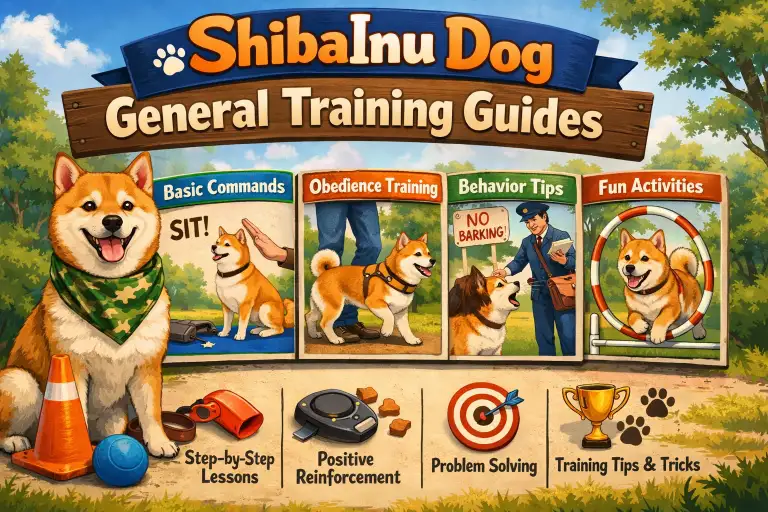
Shiba Inu training can feel confusing for many owners—especially if this is your first experience with the breed. Shibas are often described as stubborn or untrainable, but that reputation usually comes from misunderstanding how they learn and what motivates them. This guide is designed to give you a realistic, breed-specific approach to training that works for both Shiba Inu puppies and adult dogs.
Unlike many breeds that were developed to work closely with humans, Shiba Inus are naturally independent and highly self-directed. That doesn’t mean they can’t be trained—it means they need a different strategy. Standard obedience methods that rely on repetition or pressure often fail with this breed, while thoughtful, reward-based training produces far better results.
This article focuses on practical Shiba Inu training techniques you can apply in real life. You’ll learn how to work with your dog’s instincts, build reliable engagement, and avoid the common mistakes that cause frustration and stalled progress. Whether your Shiba ignores commands, pulls on the leash, or seems uninterested in training altogether, this guide will help you set clear expectations and start building cooperation the right way.
Why Shiba Inu Training Is Different From Other Dogs
Training a Shiba Inu is not the same as training many other dog breeds. Shibas were bred to hunt on their own, not to wait for human instructions. Because of this, they like to make their own choices. If something does not feel worth it to them, they may simply ignore it.
This difference matters because many common dog training methods are built for dogs that want to please people. Shiba Inus are not people-pleasers. They are thinkers. When owners do not understand this, they often feel frustrated and think their dog is being difficult on purpose. In reality, the dog is just behaving the way the breed was designed to behave.
Poor training or no training can lead to real safety problems with Shiba Inus. These dogs are known for running off, slipping collars, refusing recall, and reacting strongly to pressure. Clear, calm, and reward-based training helps reduce these risks and makes daily life much easier.
To make this easier to understand, here is a quick comparison:
| Shiba Inu Trait | How It Affects Training | What Owners Should Do |
|---|---|---|
| Independent nature | May ignore commands if not motivated | Use rewards the dog truly values |
| High prey drive | Likely to chase moving objects | Train recall and leash skills early |
| Sensitive to force | Shuts down or resists harsh methods | Avoid punishment and yelling |
| Intelligent and alert | Gets bored with repetition | Keep sessions short and varied |
When you train a Shiba Inu with the right mindset, progress feels smoother and more predictable. The goal is not to control the dog, but to build cooperation and trust.
Understanding Shiba Inu Behavior and Learning Style
Shiba Inus do not learn the same way as many other dogs. They learn best when they feel safe, calm, and rewarded for good choices. If training feels scary, boring, or confusing, a Shiba Inu may shut down or walk away instead of trying harder.
This breed is very smart, but also very independent. A Shiba Inu often asks, “Why should I do this?” If the answer is not clear, the dog may ignore the command. This is not bad behavior. It is decision-based learning, which means the dog weighs the reward before acting.
Shiba Inus are also very sensitive to pressure. Loud voices, leash jerks, or forced handling can cause fear or strong resistance. Calm training with clear rewards works much better and helps build trust over time.
The table below explains common Shiba Inu behaviors and what they really mean.
| Behavior You See | What It Usually Means | Best Training Response |
|---|---|---|
| Ignoring commands | Reward is not valuable enough | Use better treats or toys |
| Pulling away on leash | Feels restricted or overwhelmed | Practice loose leash skills slowly |
| Freezing or refusing | Stress or confusion | Reduce pressure and simplify steps |
| Chasing animals | Natural prey drive | Train recall in safe, enclosed areas |
Age also plays a role in how Shiba Inus learn. Puppies are more open to learning new things but have short attention spans. Teen Shibas often test limits and seem to forget training. Adult Shibas can learn well, but need patience and consistency, especially if they were not trained early.
Understanding how your Shiba Inu thinks helps you train smarter, not harder. When you work with their natural behavior instead of against it, progress becomes much easier.
Step-by-Step Shiba Inu Training Method
Shiba Inu training works best when it is simple, short, and clear. Long sessions and repeated commands usually lead to boredom or refusal. A calm plan with small steps helps your dog succeed and keeps training stress low.
Start training in a quiet place with few distractions. Always use rewards your Shiba Inu truly enjoys, such as small food treats, toys, or praise. Say the command once, wait, and reward the moment your dog makes the right choice.
The table below shows general training guidelines by age.
| Age Group | Session Length | Sessions Per Day | Best Focus |
|---|---|---|---|
| Puppy | 3–5 minutes | 2–4 | Name response, focus, basic cues |
| Adolescent | 5–10 minutes | 2–3 | Leash skills, impulse control |
| Adult | 5–10 minutes | 1–2 | Real-life manners, consistency |
The table below shows what progress often looks like over time.
| Time Period | What Progress Looks Like | Common Challenges |
|---|---|---|
| First 2 weeks | Better focus indoors | Short attention span |
| 1 month | Responds in quiet areas | Ignores cues outside |
| 2–3 months | Improved leash behavior | Tests limits |
| 3+ months | More reliable habits | Needs ongoing practice |
Choosing the right reward makes a big difference. Some Shiba Inus are picky,
| Reward Type | When It Works Best | When It Fails |
|---|---|---|
| Food treats | Learning new skills | If used too often |
| Toys | High-energy dogs | Low interest dogs |
| Praise | Bonding and calm work | Without food early on |
Always increase difficulty slowly. Practice indoors first, then move outside, and finally add real-life distractions. If your Shiba Inu struggles, go back one step instead of pushing forward.
Common Shiba Inu Training Problems and How to Fix Them
Many Shiba Inu owners face the same training problems. These issues are common for the breed and do not mean your dog is bad or untrainable. Most problems come from stress, low motivation, or moving too fast.
Shiba Inus often ignore commands, pull on the leash, or refuse to move. Some may run off if given the chance. These behaviors can be fixed with patience, better rewards, and calmer training.
The table below explains common problems and what to do instead.
| Training Problem | Why It Happens | What Helps |
|---|---|---|
| Ignores commands | Reward is not worth it | Use higher-value treats |
| Pulls on leash | Wants control or feels rushed | Slow down and reward calm walking |
| Refuses to move | Feels unsafe or overwhelmed | Give space and reduce pressure |
| Runs off | Strong prey drive | Use secure areas and long lines |
| Loud screaming | Fear or handling stress | Stay calm and avoid force |
Many owners make mistakes without realizing it. Repeating commands, yelling, or pulling the leash often makes things worse. Shiba Inus respond better when they feel respected and rewarded for good choices.
If progress feels slow, that is normal. Shiba Inu training takes time, and small improvements matter. Stay consistent, keep sessions short, and focus on building trust.
For more breed background and training considerations, the American Kennel Club provides a helpful overview of the Shiba Inu’s temperament and needs: https://www.akc.org/dog-breeds/shiba-inu/

Ata Ur Rehman is the founder of Pet Age in Human Years Calculator, an educational platform that provides age conversion charts and lifespan guides for dogs, cats, birds, and other companion animals. His work focuses on helping pet owners understand how animal ages translate into human years using commonly accepted age conversion formulas and published lifespan averages.
The website compiles breed and species lifespan data from kennel clubs, breed organizations, and general animal lifespan studies to present simple and easy-to-understand guides for pet owners worldwide.
This website was created to centralize animal age conversion charts into one easy reference platform for pet owners.