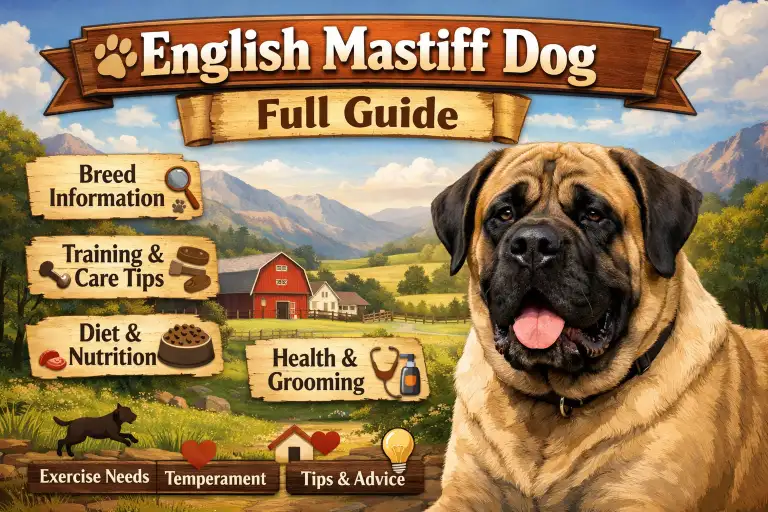
The English Mastiff is best described as a calm, powerful guardian with an unexpectedly gentle nature—but that description only scratches the surface. This is one of the largest dog breeds in the world by mass, and ownership is less about enthusiasm and more about preparedness. English Mastiffs are not energetic show-offs or eager-to-please performers; they are thoughtful, slow-maturing, emotionally grounded dogs that form deep bonds with their families and take their protective role seriously.
Despite their imposing size, English Mastiffs are typically quiet, composed, and surprisingly sensitive to their environment. Well-bred and properly raised individuals are stable rather than reactive, preferring to observe before acting. This is why many experienced owners describe them as “thinking dogs.” However, this same trait means they are not universally suitable. Their sheer size, strength, and long-term cost commitment make them a poor fit for impulse buyers or owners who underestimate giant-breed realities.
A common misconception is that English Mastiffs are either aggressive guard dogs or lazy couch ornaments. In reality, they sit somewhere in between. They are naturally protective without being sharp or edgy, and while they do enjoy resting indoors, they still require structured movement, training, and mental engagement to stay healthy and balanced. Another myth is that their calm demeanor makes them easy for beginners—yet managing a 180–230 lb dog safely requires confidence, consistency, and early groundwork.
To help you quickly assess whether this breed aligns with your lifestyle, the table below summarizes the most important English Mastiff traits at a glance.
English Mastiff Quick Facts
| Trait | What to Expect |
|---|---|
| Size | Giant breed |
| Adult Weight | ~160–230+ lbs (males larger than females) |
| Energy Level | Low to moderate |
| Temperament | Calm, loyal, protective, reserved |
| Lifespan | Shorter than average (giant-breed typical) |
| Shedding | Moderate year-round |
| Drooling | Heavy |
| Guarding Instinct | Strong but controlled |
| Best Suited For | Experienced owners with space and resources |
At their best, English Mastiffs are steady companions who thrive in quiet, structured households where expectations are clear and leadership is consistent. They do not demand constant activity, but they do demand responsibility. If you are looking for a low-noise, emotionally stable giant who values proximity to family over constant stimulation, the English Mastiff can be deeply rewarding. If, however, you are unprepared for the physical, financial, and logistical realities of giant-breed ownership, this is a breed that will quickly overwhelm you.
This guide will break down those realities honestly—starting with size and physical traits—so you can decide with clarity rather than emotion.
English Mastiff Size, Appearance, and Physical Traits
The English Mastiff is a true giant dog, and its size affects almost every part of daily life. This breed is not just tall but extremely heavy, with thick bones and a wide body. Many new owners focus only on height, but weight and body mass are what make the English Mastiff challenging to manage. Lifting, helping, or controlling a dog of this size requires planning and physical strength.
Most English Mastiffs grow very fast during their first year, then continue filling out slowly until full maturity. They are not fully grown mentally or physically until around three years of age. Because of this slow development, puppies often look awkward and oversized before their body becomes balanced.
English Mastiff Size and Weight Chart
| Sex | Height (at shoulder) | Typical Adult Weight | Full Maturity |
|---|---|---|---|
| Male | 30 inches or more | 180–230+ lbs | 2.5–3 years |
| Female | 27 inches or more | 150–200 lbs | 2–3 years |
The English Mastiff has a large, square head with deep wrinkles and a short muzzle. One of the most noticeable features is the black mask around the face, which is part of the breed standard. Their eyes are medium-sized and usually give a calm, watchful expression. Loose skin around the neck and face is normal and contributes to the breed’s signature look.
The coat is short, dense, and lies close to the body. Common coat colors include fawn, apricot, and brindle. While the coat is easy to maintain, it still sheds steadily throughout the year. Owners often underestimate how much hair such a large dog can produce, especially during seasonal changes.
English Mastiff Physical Traits at a Glance
| Feature | Description |
|---|---|
| Body Type | Massive, broad, heavy-boned |
| Coat Length | Short |
| Coat Colors | Fawn, apricot, brindle |
| Shedding Level | Moderate |
| Drooling Level | High |
| Heat Tolerance | Low |
| Cold Tolerance | Moderate |
Because of their size and short coat, English Mastiffs are sensitive to heat. They overheat more easily than smaller dogs and should not be exercised heavily in warm weather. Their weight also places extra stress on joints, making slippery floors, stairs, and jumping surfaces risky.
This breed’s appearance is powerful but not athletic in a fast or agile way. Movement is slow, steady, and controlled. Owners should expect a dog that takes up space, needs strong flooring, large beds, wide doorways, and sturdy equipment built for giant breeds.
English Mastiff Temperament, Behavior, and Suitability
The English Mastiff is calm, serious, and deeply loyal to its family. This breed is not playful in a loud or jumpy way. Instead, it prefers to stay close, watch quietly, and step in only when it feels something is wrong. Many owners describe the English Mastiff as gentle and patient, but that does not mean it is weak or unaware. This dog is always paying attention.
With family members, English Mastiffs are usually affectionate and protective. They enjoy being in the same room as their people, even if they are just lying on the floor. They do best in homes with clear routines and calm energy. Loud chaos and constant activity can make them stressed or shut down.
With strangers, English Mastiffs are reserved. They do not rush to greet new people. Instead, they stand back and observe. This behavior is often mistaken for aggression, but it is actually caution. A well-socialized English Mastiff should not attack or lunge. It relies on size, presence, and confidence rather than barking or snapping.
English Mastiff Suitability by Lifestyle
| Lifestyle | Suitability | Notes |
|---|---|---|
| Families with children | Good with supervision | Gentle but size can knock over small kids |
| First-time owners | Not ideal | Size and strength require experience |
| Apartment living | Possible but difficult | Space, stairs, and weight limits matter |
| Seniors | Mixed | Calm nature but physical handling is hard |
| Active owners | Moderate fit | Short walks preferred, not intense exercise |
| Multi-pet homes | Usually good | Early socialization is important |
For first-time owners, the English Mastiff can be overwhelming. Training mistakes that are small with a smaller dog become serious problems at this size. Leash pulling, poor recall, or fear-based reactions are much harder to manage when the dog weighs more than an adult human.
English Mastiff Behavior Traits Explained
| Behavior Trait | What It Means in Real Life |
|---|---|
| Protectiveness | Watches and blocks rather than attacks |
| Barking | Low, usually only when needed |
| Trainability | Moderate, slow but steady |
| Independence | Thinks before obeying |
| Stranger response | Calm but cautious |
English Mastiffs are best for people who value calm companionship and are ready for the responsibility that comes with a giant dog. When their needs are met, they are steady, loving, and deeply bonded family members.
Training, Exercise, and Daily Care Needs of an English Mastiff
Training an English Mastiff is less about speed and more about patience. This breed is smart, but it likes to think before acting. English Mastiffs are not stubborn in a rude way. They are slow, careful, and very aware of their own size. Harsh training does not work well and can make them shut down or lose trust. Calm rules, clear boundaries, and steady routines work best.
Early training is extremely important. A young English Mastiff that pulls on the leash or ignores commands can quickly become unsafe once fully grown. Basic skills like leash walking, sitting, and coming when called should start early and be practiced often. Short sessions work better than long ones, as this breed tires mentally faster than physically.
Exercise needs for the English Mastiff are lower than many people expect. They do not need long runs or heavy play. Too much exercise, especially when young, can damage growing joints. Instead, slow walks, light play, and gentle movement spread throughout the day are safer and healthier.
English Mastiff Daily Care Requirements
| Care Area | What to Expect |
|---|---|
| Daily exercise | 30–60 minutes total |
| Mental stimulation | Low to moderate |
| Training effort | Moderate |
| Grooming effort | Low |
| Heat sensitivity | High |
Grooming an English Mastiff is simple but still important. The short coat sheds all year, so regular brushing helps control hair in the home. Bathing is needed only when dirty, but drool cleanup is a daily task. Owners should be ready to wipe mouths, walls, and furniture often.
Common English Mastiff Owner Mistakes
| Mistake | Why It Causes Problems |
|---|---|
| Over-exercising puppies | Can damage joints and bones |
| Delaying training | Bad habits become dangerous at adult size |
| Poor leash control | Can lead to injuries or accidents |
| Ignoring heat limits | Increases risk of heat exhaustion |
| Underestimating care costs | Leads to stress and poor care |
Daily care also includes checking ears, trimming nails, and watching body weight closely. Extra pounds put serious strain on joints and the heart. Keeping an English Mastiff lean is one of the best ways to improve comfort and lifespan.
English Mastiff Health, Lifespan, and Cost of Ownership
The English Mastiff is a giant breed, and giant breeds usually live shorter lives than smaller dogs. Most English Mastiffs live between 6 and 10 years. Some live longer with good care, healthy weight, and early medical support. Because of their size, health problems can appear earlier and progress faster if ignored.
One of the biggest health risks in English Mastiffs is joint disease. Their heavy body puts stress on hips and elbows, which can lead to pain and movement problems. Heart disease is also common in large dogs and often develops silently. Another serious risk is bloat, a sudden stomach condition that can be life-threatening and needs emergency care.
Common English Mastiff Health Issues
| Health Issue | Risk Level | Typical Age of Onset | Notes |
|---|---|---|---|
| Hip dysplasia | High | Young to adult | Worse with excess weight |
| Elbow dysplasia | Moderate | Young | Affects front leg movement |
| Bloat (GDV) | High | Adult | Emergency condition |
| Heart disease | Moderate | Middle age | Often needs lifelong care |
| Cancer | Moderate to high | Senior | Common in giant breeds |
Regular vet visits are very important for this breed. Responsible breeders test parents for joint and heart problems. Owners should also watch for early signs like stiffness, heavy breathing, low energy, or loss of appetite. Early treatment often improves comfort and quality of life.
The cost of owning an English Mastiff is high. Food costs are much higher than average because of their size. Vet care, medicine, and even basic supplies like beds and crates cost more because they must be made for giant breeds. This is not a low-budget dog.
English Mastiff Cost Breakdown (Estimated Annual)
| Expense Type | Average Cost Range |
|---|---|
| Food | High |
| Routine vet care | Moderate to high |
| Preventive medicine | Moderate |
| Emergency care | High |
| Pet insurance | Strongly recommended |
Insurance is highly recommended for English Mastiffs. Emergency surgery, joint treatment, or heart care can be very expensive. Having insurance can reduce stress and help owners focus on care instead of cost during emergencies.
For official breed standards and historical background, you can also review the English Mastiff breed profile published by the American Kennel Club (AKC), which outlines recognized traits, structure, and breed purpose.

Ata Ur Rehman is the founder of Pet Age in Human Years Calculator, an educational platform that provides age conversion charts and lifespan guides for dogs, cats, birds, and other companion animals. His work focuses on helping pet owners understand how animal ages translate into human years using commonly accepted age conversion formulas and published lifespan averages.
The website compiles breed and species lifespan data from kennel clubs, breed organizations, and general animal lifespan studies to present simple and easy-to-understand guides for pet owners worldwide.
This website was created to centralize animal age conversion charts into one easy reference platform for pet owners.