Dutch Shepherd Dog: Complete Breed Guide, Temperament, Size, Training, and Ownership
The Dutch Shepherd Dog is one of the most intelligent, versatile, and athletic working dog breeds in the world. Originally developed in the Netherlands as an all-purpose farm dog, the Dutch Shepherd was bred to herd livestock, guard property, pull carts, and assist farmers with daily tasks. Today, the breed is highly respected in police work, military service, search and rescue, protection sports, scent detection, and advanced obedience training.
Recommended Dog Care Products
Based on your dog’s age, these products may help with comfort, health, grooming, and daily care.

Purina Pro Plan Veterinary Supplements
Daily probiotics for dogs to support digestive and gut health.
View on Amazon ↗
Earth Rated Poop Bags for Dogs
Leak-proof, extra thick waste bag refill rolls with lavender scent.
View on Amazon ↗
Greenies Pill Pockets for Dogs
Large dog treats for capsule medication, peanut butter flavor.
View on Amazon ↗
HONEY CARE All-Absorb Dog Wrap
Small male dog wraps, 50 count, useful for daily care support.
View on Amazon ↗
Seresto Flea & Tick Collar
Flea and tick treatment and prevention for dogs over 18 lbs.
View on Amazon ↗
Milk-Bone MaroSnacks
Small dog treats with real bone marrow in a 40 oz canister.
View on Amazon ↗
Vital Essentials Dog Treats
Freeze dried beef liver dog treats, grain free and single ingredient.
View on Amazon ↗
Stain & Odor Eliminator
Enzyme cleaner for pet stains, carpet messes, and strong odors.
View on Amazon ↗
Pur Luv Chicken Jerky Treats
Dog treats made with real chicken breast, high protein and chew-friendly.
View on Amazon ↗
Milk-Bone Flavor Snacks
Mini crunchy dog biscuits in a 36 oz canister for small rewards.
View on Amazon ↗As an Amazon Associate, we may earn from qualifying purchases.
Although many people compare the Dutch Shepherd to the Belgian Malinois or German Shepherd, the breed has its own unique personality and working style. Dutch Shepherds are highly trainable, extremely loyal, and deeply bonded to their handlers. However, they are also demanding dogs that require significant mental stimulation, structured training, and daily physical exercise.
If you are considering adding a Dutch Shepherd to your family, understanding their temperament, exercise requirements, health concerns, and ownership responsibilities is essential. This complete guide covers everything prospective owners need to know before bringing home this remarkable working breed.
Dutch Shepherd Dog Quick Facts
| Characteristic | Details |
|---|---|
| Breed Group | Herding |
| Origin | Netherlands |
| Height | 21–24 inches |
| Weight | 45–70 pounds |
| Lifespan | 11–14 years |
| Energy Level | Very High |
| Intelligence | Very High |
| Trainability | Excellent |
| Shedding | Moderate |
| Good With Children | Moderate |
| Good With Other Pets | Moderate |
| Apartment Friendly | Not Ideal |
| First-Time Owner Friendly | No |
History of the Dutch Shepherd Dog
The Dutch Shepherd originated in the rural farming regions of the Netherlands during the nineteenth century. Farmers needed a dependable dog capable of performing multiple jobs throughout the day. Unlike many breeds developed primarily for appearance, the Dutch Shepherd was bred almost entirely for functionality and working ability.
These dogs herded sheep, guarded farms, protected livestock, watched over children, and helped transport goods. Their versatility made them invaluable companions to Dutch farmers.
As industrialization reduced the need for traditional farm dogs, the Dutch Shepherd population declined significantly. The breed survived largely through the efforts of dedicated breeders and working-dog enthusiasts who recognized its exceptional intelligence and working capabilities.
Today, Dutch Shepherds remain relatively rare compared to German Shepherds and Belgian Malinois, but they continue to excel in demanding working roles worldwide.
Dutch Shepherd Appearance
The Dutch Shepherd is a medium-to-large athletic breed with a well-balanced, muscular body. Everything about the breed reflects endurance, agility, and working efficiency rather than exaggerated physical traits.
One of the breed’s most distinctive characteristics is its brindle coat, which helps distinguish it from similar shepherd breeds.
Dutch Shepherd Size Chart
| Feature | Male | Female |
|---|---|---|
| Height | 22–24 inches | 21–23 inches |
| Weight | 50–70 lbs | 45–65 lbs |
| Build | Athletic | Athletic |
| Lifespan | 11–14 years | 11–14 years |
Dutch Shepherd Coat Types
| Coat Type | Description |
|---|---|
| Short-Haired | Most common variety |
| Long-Haired | Longer flowing coat |
| Rough-Haired | Dense, harsh textured coat |
Coat Colors
| Color | Accepted |
|---|---|
| Gold Brindle | Yes |
| Silver Brindle | Yes |
| Solid Black | No |
| Solid Brown | No |
Dutch Shepherd Temperament
The Dutch Shepherd is known for intelligence, loyalty, confidence, and intense work drive. These dogs thrive when given purpose and structure.
Recommended Dog Care Products
Based on your dog’s age, these products may help with comfort, health, grooming, and daily care.
Purina Pro Plan Veterinary Supplements
Daily probiotics for dogs to support digestive and gut health.
View on Amazon ↗
Earth Rated Poop Bags for Dogs
Leak-proof, extra thick waste bag refill rolls with lavender scent.
View on Amazon ↗
Greenies Pill Pockets for Dogs
Large dog treats for capsule medication, peanut butter flavor.
View on Amazon ↗
HONEY CARE All-Absorb Dog Wrap
Small male dog wraps, 50 count, useful for daily care support.
View on Amazon ↗
Seresto Flea & Tick Collar
Flea and tick treatment and prevention for dogs over 18 lbs.
View on Amazon ↗
Milk-Bone MaroSnacks
Small dog treats with real bone marrow in a 40 oz canister.
View on Amazon ↗
Vital Essentials Dog Treats
Freeze dried beef liver dog treats, grain free and single ingredient.
View on Amazon ↗
Stain & Odor Eliminator
Enzyme cleaner for pet stains, carpet messes, and strong odors.
View on Amazon ↗
Pur Luv Chicken Jerky Treats
Dog treats made with real chicken breast, high protein and chew-friendly.
View on Amazon ↗
Milk-Bone Flavor Snacks
Mini crunchy dog biscuits in a 36 oz canister for small rewards.
View on Amazon ↗As an Amazon Associate, we may earn from qualifying purchases.
Unlike many companion breeds, Dutch Shepherds are constantly evaluating their surroundings and looking for tasks to perform. They bond strongly with their owners and often become highly focused on one primary handler.
Dutch Shepherd Temperament Ratings
| Trait | Rating |
|---|---|
| Intelligence | 10/10 |
| Loyalty | 10/10 |
| Trainability | 10/10 |
| Energy | 10/10 |
| Protectiveness | 9/10 |
| Affection | 8/10 |
| Friendliness with Strangers | 5/10 |
| Adaptability | 7/10 |
Are Dutch Shepherds Good Family Dogs?
Dutch Shepherds can be excellent family companions in the right environment. They are loyal, protective, and affectionate with family members. However, they are not naturally easy-going dogs.
Families considering this breed should understand that Dutch Shepherds require substantial training, socialization, and daily engagement. Homes with active lifestyles tend to be the best fit.
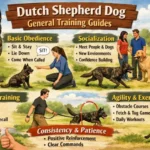
Dutch Shepherd Training Requirements
Training is one of the most important aspects of Dutch Shepherd ownership. These dogs learn exceptionally quickly and thrive when challenged mentally.
Recommended activities include:
- Obedience training
- Agility
- Tracking
- Scent work
- Protection sports
- Search and rescue
- Advanced trick training
Without structured training, their intelligence often leads to unwanted behaviors.
Exercise Requirements
Dutch Shepherds need significantly more exercise than the average dog.
Daily Exercise Needs
| Activity | Minimum | Ideal |
|---|---|---|
| Walking | 60 Minutes | 90 Minutes |
| Mental Stimulation | 20 Minutes | 45+ Minutes |
| Training | Daily | Daily |
| Off-Leash Activity | Weekly | Several Times Weekly |
Common Dutch Shepherd Health Problems
Although generally healthy, the breed can be affected by several inherited conditions.
| Health Condition | Risk Level |
|---|---|
| Hip Dysplasia | Moderate |
| Elbow Dysplasia | Moderate |
| Allergies | Moderate |
| Arthritis | Moderate |
| Eye Disorders | Low |
| Skin Problems | Low to Moderate |
Regular veterinary care and responsible breeding significantly reduce health risks.
Dutch Shepherd Feeding Guide
| Age | Meals Per Day |
|---|---|
| 8–12 Weeks | 4 |
| 3–6 Months | 3 |
| 6–12 Months | 2–3 |
| Adult | 2 |
High-quality food designed for active working breeds is generally recommended.
Recommended Dog Care Products
Based on your dog’s age, these products may help with comfort, health, grooming, and daily care.
Purina Pro Plan Veterinary Supplements
Daily probiotics for dogs to support digestive and gut health.
View on Amazon ↗
Earth Rated Poop Bags for Dogs
Leak-proof, extra thick waste bag refill rolls with lavender scent.
View on Amazon ↗
Greenies Pill Pockets for Dogs
Large dog treats for capsule medication, peanut butter flavor.
View on Amazon ↗
HONEY CARE All-Absorb Dog Wrap
Small male dog wraps, 50 count, useful for daily care support.
View on Amazon ↗
Seresto Flea & Tick Collar
Flea and tick treatment and prevention for dogs over 18 lbs.
View on Amazon ↗
Milk-Bone MaroSnacks
Small dog treats with real bone marrow in a 40 oz canister.
View on Amazon ↗
Vital Essentials Dog Treats
Freeze dried beef liver dog treats, grain free and single ingredient.
View on Amazon ↗
Stain & Odor Eliminator
Enzyme cleaner for pet stains, carpet messes, and strong odors.
View on Amazon ↗
Pur Luv Chicken Jerky Treats
Dog treats made with real chicken breast, high protein and chew-friendly.
View on Amazon ↗
Milk-Bone Flavor Snacks
Mini crunchy dog biscuits in a 36 oz canister for small rewards.
View on Amazon ↗As an Amazon Associate, we may earn from qualifying purchases.
Dutch Shepherd Pros and Cons
Pros
- Extremely intelligent
- Highly trainable
- Loyal and protective
- Excellent working ability
- Athletic and healthy
- Strong family bond
Cons
- Very high exercise needs
- Not ideal for beginners
- Can become destructive when bored
- Strong prey drive
- Requires extensive training
- Can be reserved with strangers
Dutch Shepherd vs Belgian Malinois vs German Shepherd
| Trait | Dutch Shepherd | Belgian Malinois | German Shepherd |
|---|---|---|---|
| Energy Level | Very High | Extremely High | High |
| Intelligence | Very High | Very High | High |
| Family Suitability | Moderate | Moderate | High |
| Protection Ability | High | Very High | High |
| Beginner Friendly | No | No | Sometimes |
Frequently Asked Questions
Are Dutch Shepherds aggressive?
No. Properly bred and trained Dutch Shepherds are confident and stable dogs. However, they are naturally protective and require socialization.
How much exercise does a Dutch Shepherd need?
Most adults require at least 60–120 minutes of physical activity plus daily mental stimulation.
Are Dutch Shepherds good with children?
They can be excellent with children when raised properly, but supervision is always recommended.
Do Dutch Shepherds shed?
Yes. They shed year-round and typically experience heavier seasonal shedding periods.
Are Dutch Shepherds easy to train?
Yes. They are among the most trainable dog breeds but require consistency and experienced handling.
How long do Dutch Shepherds live?
The average lifespan is approximately 11–14 years.
Final Thoughts
The Dutch Shepherd is one of the most capable working dog breeds available today. Intelligent, athletic, loyal, and highly trainable, the breed excels when given structure, purpose, and meaningful daily activity. However, these same qualities make the Dutch Shepherd a poor fit for inactive households or inexperienced owners. For active individuals, sport competitors, working-dog enthusiasts, and experienced handlers, the Dutch Shepherd can be an extraordinary lifelong companion.

Ata Ur Rehman is the founder of Pet Age in Human Years Calculator, an educational platform that provides age conversion charts and lifespan guides for dogs, cats, birds, and other companion animals. His work focuses on helping pet owners understand how animal ages translate into human years using commonly accepted age conversion formulas and published lifespan averages.
The website compiles breed and species lifespan data from kennel clubs, breed organizations, and general animal lifespan studies to present simple and easy-to-understand guides for pet owners worldwide.
This website was created to centralize animal age conversion charts into one easy reference platform for pet owners.
Recommended Dog Care Products
Based on your dog’s age, these products may help with comfort, health, grooming, and daily care.
Purina Pro Plan Veterinary Supplements
Daily probiotics for dogs to support digestive and gut health.
View on Amazon ↗
Earth Rated Poop Bags for Dogs
Leak-proof, extra thick waste bag refill rolls with lavender scent.
View on Amazon ↗
Greenies Pill Pockets for Dogs
Large dog treats for capsule medication, peanut butter flavor.
View on Amazon ↗
HONEY CARE All-Absorb Dog Wrap
Small male dog wraps, 50 count, useful for daily care support.
View on Amazon ↗
Seresto Flea & Tick Collar
Flea and tick treatment and prevention for dogs over 18 lbs.
View on Amazon ↗
Milk-Bone MaroSnacks
Small dog treats with real bone marrow in a 40 oz canister.
View on Amazon ↗
Vital Essentials Dog Treats
Freeze dried beef liver dog treats, grain free and single ingredient.
View on Amazon ↗
Stain & Odor Eliminator
Enzyme cleaner for pet stains, carpet messes, and strong odors.
View on Amazon ↗
Pur Luv Chicken Jerky Treats
Dog treats made with real chicken breast, high protein and chew-friendly.
View on Amazon ↗
Milk-Bone Flavor Snacks
Mini crunchy dog biscuits in a 36 oz canister for small rewards.
View on Amazon ↗As an Amazon Associate, we may earn from qualifying purchases.