British Longhair Cat Grooming Basics for Coat Care and Hygiene
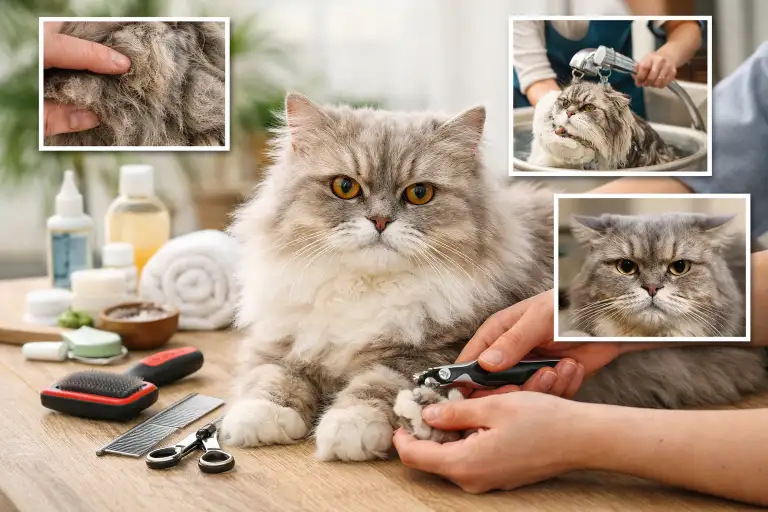
British Longhair cats have a thick, soft coat that looks easy to care for but actually needs regular attention. Their fur has a dense undercoat covered by a plush top layer. This combination makes it easy for hair to tangle and form mats, especially if the cat is not brushed often. Mats can pull on the skin and cause discomfort before they are even noticed.
Recommended Dog Care Products
Based on your dog’s age, these products may help with comfort, health, grooming, and daily care.

Purina Pro Plan Veterinary Supplements
Daily probiotics for dogs to support digestive and gut health.
View on Amazon ↗
Earth Rated Poop Bags for Dogs
Leak-proof, extra thick waste bag refill rolls with lavender scent.
View on Amazon ↗
Greenies Pill Pockets for Dogs
Large dog treats for capsule medication, peanut butter flavor.
View on Amazon ↗
HONEY CARE All-Absorb Dog Wrap
Small male dog wraps, 50 count, useful for daily care support.
View on Amazon ↗
Seresto Flea & Tick Collar
Flea and tick treatment and prevention for dogs over 18 lbs.
View on Amazon ↗
Milk-Bone MaroSnacks
Small dog treats with real bone marrow in a 40 oz canister.
View on Amazon ↗
Vital Essentials Dog Treats
Freeze dried beef liver dog treats, grain free and single ingredient.
View on Amazon ↗
Stain & Odor Eliminator
Enzyme cleaner for pet stains, carpet messes, and strong odors.
View on Amazon ↗
Pur Luv Chicken Jerky Treats
Dog treats made with real chicken breast, high protein and chew-friendly.
View on Amazon ↗
Milk-Bone Flavor Snacks
Mini crunchy dog biscuits in a 36 oz canister for small rewards.
View on Amazon ↗As an Amazon Associate, we may earn from qualifying purchases.
These cats are usually calm and gentle, which can make owners think grooming is easy. However, even a relaxed British Longhair can get stressed if handled roughly or for too long. Owners should watch for subtle signs of stress like flattened ears, twitching tails, or turning their head away during brushing. Understanding these signals helps make grooming safe and comfortable.
Indoor British Longhairs still shed a lot and need regular brushing to remove loose hairs. Cats that go outside may collect debris in their fur and shed more heavily, especially during seasonal changes. Kitten British Longhairs should start with short grooming sessions to get used to being brushed, while adult and senior cats may need extra care due to changes in mobility or grooming ability.
Regular grooming for British Longhairs is not just about keeping the coat pretty. It prevents mats, reduces hairballs, keeps the skin healthy, and helps owners bond with their cat. Establishing a routine early makes grooming easier and less stressful for both cat and owner.
Brushing a British Longhair Cat (How, Where, and How Often)
Brushing is the most important grooming task for British Longhairs. It removes loose hair, prevents mats, and keeps the coat soft and shiny. A gentle slicker brush or a wide-toothed comb works best for their dense coat. Brushing should always be slow and careful, starting with small sections to avoid pulling.
Focus on areas where mats usually form, like behind the ears, under the legs, the chest, and the belly. Always brush in the direction of hair growth and avoid pressing too hard. For kittens, short daily sessions of 2–3 minutes help them get used to brushing. Adult cats usually need brushing 2–3 times per week, while long-haired seniors may benefit from daily attention if they are prone to tangles.
Owners should stop brushing if the cat shows stress, like trying to bite or scratch, freezing in place, or meowing in distress. Breaks can help keep the session positive. Grooming should feel gentle, not like a struggle, and owners should reward their cat afterward with treats or affection.
To make brushing easier, you can follow a simple table for frequency:
| Age / Coat Condition | Recommended Brushing Frequency |
|---|---|
| Kitten | Daily, 2–3 minutes |
| Adult, regular coat | 2–3 times per week |
| Adult, thick or shedding coat | Every other day |
| Senior | Daily or every other day, depending on mats |
| During shedding season | Daily or every other day |
Nail Trimming, Ear, Eye, and Dental Care Basics
Nail trimming is important even for indoor British Longhairs. Their nails grow quickly and can curl into the paw pads if not trimmed. Use a small, sharp cat nail clipper and trim only the clear part of the nail, avoiding the pink quick. If your cat resists, do short sessions or trim one paw at a time.
Ear care is simple but essential. Check the ears weekly for dirt, wax, or odor. Clean only with a damp cloth or vet-recommended solution. Avoid inserting anything deep into the ear canal. Eye care involves gently wiping away discharge with a soft, damp cloth if necessary.
Recommended Dog Care Products
Based on your dog’s age, these products may help with comfort, health, grooming, and daily care.
Purina Pro Plan Veterinary Supplements
Daily probiotics for dogs to support digestive and gut health.
View on Amazon ↗
Earth Rated Poop Bags for Dogs
Leak-proof, extra thick waste bag refill rolls with lavender scent.
View on Amazon ↗
Greenies Pill Pockets for Dogs
Large dog treats for capsule medication, peanut butter flavor.
View on Amazon ↗
HONEY CARE All-Absorb Dog Wrap
Small male dog wraps, 50 count, useful for daily care support.
View on Amazon ↗
Seresto Flea & Tick Collar
Flea and tick treatment and prevention for dogs over 18 lbs.
View on Amazon ↗
Milk-Bone MaroSnacks
Small dog treats with real bone marrow in a 40 oz canister.
View on Amazon ↗
Vital Essentials Dog Treats
Freeze dried beef liver dog treats, grain free and single ingredient.
View on Amazon ↗
Stain & Odor Eliminator
Enzyme cleaner for pet stains, carpet messes, and strong odors.
View on Amazon ↗
Pur Luv Chicken Jerky Treats
Dog treats made with real chicken breast, high protein and chew-friendly.
View on Amazon ↗
Milk-Bone Flavor Snacks
Mini crunchy dog biscuits in a 36 oz canister for small rewards.
View on Amazon ↗As an Amazon Associate, we may earn from qualifying purchases.
Dental hygiene helps prevent bad breath and gum disease. Brushing a cat’s teeth daily is ideal, but 2–3 times per week can also help. Use cat-specific toothpaste and a soft brush. Never use human toothpaste.
The table below shows how often these tasks should be done:
| Grooming Task | Recommended Frequency |
|---|---|
| Nail trimming | Every 2–3 weeks |
| Ear cleaning | Weekly |
| Eye cleaning | As needed |
| Teeth brushing | 2–3 times per week |
Bathing British Longhair Cats (When It’s Needed and When It’s Not)
Most British Longhairs do not need regular baths because their coat is naturally self-cleaning. Bathing too often can strip natural oils and dry out the skin. Baths should only be done if the cat is very dirty, has rolled in something sticky, or has a skin condition recommended by a vet.
Before bathing, brush the coat thoroughly to remove mats and loose hair. Use lukewarm water and cat-safe shampoo. Avoid getting water in the ears and eyes. After the bath, dry the cat with a soft towel and a low-heat hairdryer if the cat tolerates it.
For cats that strongly dislike baths, alternatives like spot-cleaning with a damp cloth or using dry shampoos are safer. Bathing should always be a calm, short, and positive experience to reduce stress.
| Bathing Situation | Recommended Action |
|---|---|
| Cat is dirty or sticky | Full bath with cat-safe shampoo |
| Cat is healthy and clean | Skip bath; brush instead |
| Mild mess | Spot-clean with damp cloth |
| Skin condition (vet-prescribed) | Bath as instructed by veterinarian |
Grooming Safety, Common Mistakes, and When to Get Professional Help
Pay attention to stress signals during grooming. Signs like flattened ears, hissing, growling, or a stiff body mean it’s time to stop. Forcing a cat can lead to fear or aggression, making future grooming harder.
Common mistakes include brushing only when mats appear, over-bathing, cutting mats out at home, or trimming nails too short. These mistakes can hurt the cat and damage trust. Maintaining a regular, gentle grooming routine is safer and more effective than occasional intense sessions.
Some situations require professional grooming. Cats with severe mats, heavy shedding, or skin issues may need a groomer or veterinary professional. Groomers can safely handle mats, provide proper bathing, and check for skin problems that an owner might miss.
| At-Home vs Professional Grooming | Recommended Approach |
|---|---|
| Minor tangles and loose hair | At-home brushing |
| Large mats or skin irritation | Professional groomer |
| Difficult behavior / stress | Professional groomer or vet-assisted |
| Bathing difficult cats | Professional groomer |
For more tips on cat grooming and health, you can check the International Cat Care guide here.

Ata Ur Rehman is the founder of Pet Age in Human Years Calculator, an educational platform that provides age conversion charts and lifespan guides for dogs, cats, birds, and other companion animals. His work focuses on helping pet owners understand how animal ages translate into human years using commonly accepted age conversion formulas and published lifespan averages.
Recommended Dog Care Products
Based on your dog’s age, these products may help with comfort, health, grooming, and daily care.
Purina Pro Plan Veterinary Supplements
Daily probiotics for dogs to support digestive and gut health.
View on Amazon ↗
Earth Rated Poop Bags for Dogs
Leak-proof, extra thick waste bag refill rolls with lavender scent.
View on Amazon ↗
Greenies Pill Pockets for Dogs
Large dog treats for capsule medication, peanut butter flavor.
View on Amazon ↗
HONEY CARE All-Absorb Dog Wrap
Small male dog wraps, 50 count, useful for daily care support.
View on Amazon ↗
Seresto Flea & Tick Collar
Flea and tick treatment and prevention for dogs over 18 lbs.
View on Amazon ↗
Milk-Bone MaroSnacks
Small dog treats with real bone marrow in a 40 oz canister.
View on Amazon ↗
Vital Essentials Dog Treats
Freeze dried beef liver dog treats, grain free and single ingredient.
View on Amazon ↗
Stain & Odor Eliminator
Enzyme cleaner for pet stains, carpet messes, and strong odors.
View on Amazon ↗
Pur Luv Chicken Jerky Treats
Dog treats made with real chicken breast, high protein and chew-friendly.
View on Amazon ↗
Milk-Bone Flavor Snacks
Mini crunchy dog biscuits in a 36 oz canister for small rewards.
View on Amazon ↗As an Amazon Associate, we may earn from qualifying purchases.
The website compiles breed and species lifespan data from kennel clubs, breed organizations, and general animal lifespan studies to present simple and easy-to-understand guides for pet owners worldwide.
This website was created to centralize animal age conversion charts into one easy reference platform for pet owners.