British Longhair Cat Full Breed Guide Covering Care, Traits, and Lifespan
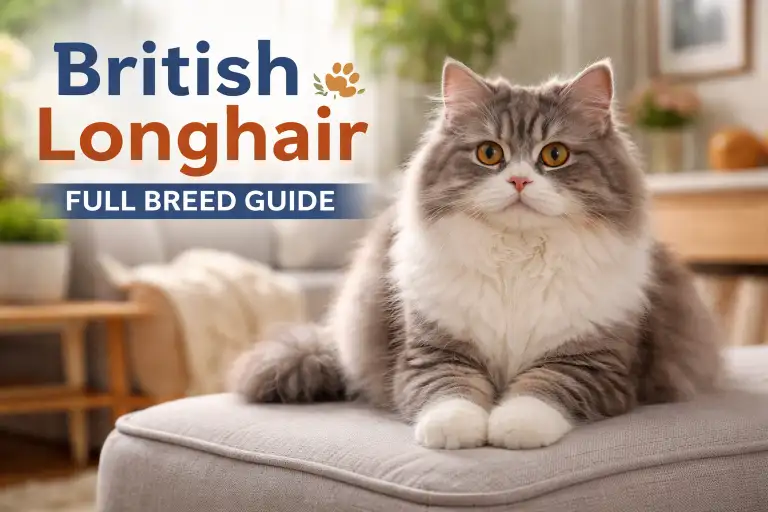
The British Longhair cat is a calm and friendly breed with a soft, thick coat that makes it look like a small, fluffy teddy bear. It is often thought to be a long-haired British Shorthair, but it is a separate breed with its own personality and care needs. These cats are gentle, quiet, and enjoy being near their owners without needing constant attention. They are perfect for families, singles, or seniors who want a relaxed companion.
Recommended Dog Care Products
Based on your dog’s age, these products may help with comfort, health, grooming, and daily care.

Purina Pro Plan Veterinary Supplements
Daily probiotics for dogs to support digestive and gut health.
View on Amazon ↗
Earth Rated Poop Bags for Dogs
Leak-proof, extra thick waste bag refill rolls with lavender scent.
View on Amazon ↗
Greenies Pill Pockets for Dogs
Large dog treats for capsule medication, peanut butter flavor.
View on Amazon ↗
HONEY CARE All-Absorb Dog Wrap
Small male dog wraps, 50 count, useful for daily care support.
View on Amazon ↗
Seresto Flea & Tick Collar
Flea and tick treatment and prevention for dogs over 18 lbs.
View on Amazon ↗
Milk-Bone MaroSnacks
Small dog treats with real bone marrow in a 40 oz canister.
View on Amazon ↗
Vital Essentials Dog Treats
Freeze dried beef liver dog treats, grain free and single ingredient.
View on Amazon ↗
Stain & Odor Eliminator
Enzyme cleaner for pet stains, carpet messes, and strong odors.
View on Amazon ↗
Pur Luv Chicken Jerky Treats
Dog treats made with real chicken breast, high protein and chew-friendly.
View on Amazon ↗
Milk-Bone Flavor Snacks
Mini crunchy dog biscuits in a 36 oz canister for small rewards.
View on Amazon ↗As an Amazon Associate, we may earn from qualifying purchases.
The breed comes from British Shorthairs that carried a longhair gene, which was later strengthened by careful breeding with Persian-type cats. This mix gave the British Longhair its thick, soft coat, but without the extreme flat face of Persian cats. This means fewer health problems like breathing issues and eye infections, making them easier to care for on a daily basis.
Adult British Longhairs are medium to large cats with a strong, solid build. Males tend to be bigger than females, but both have round faces, broad chests, and a sturdy body. Their semi-long coat comes in many colors and patterns, such as solid, tabby, bicolor, and colorpoint. The coat adds a plush look, making them appear even bigger than they are.
These cats grow slowly and reach full size and coat development by around three to four years. They usually live into their mid-teens when given proper indoor care, a healthy diet, and regular vet checkups. Their calm and steady nature becomes more apparent as they mature, making them a comforting presence in any home.
British Longhair Temperament and Personality
British Longhairs are known for being calm, gentle, and friendly cats. They are not very noisy, which makes them suitable for quiet households or apartments. These cats enjoy being around people, but they are not overly clingy and like having their own space sometimes.
They are very observant and like to watch what is happening around them. British Longhairs are patient and usually get along well with children and other pets. They can sit quietly beside their owners, follow them around, or choose a favorite sunny spot to relax without causing trouble.
These cats enjoy affection but on their own terms. They might rub against your legs, nuzzle your hand, or sit near you, but they often prefer sitting next to you rather than on your lap all the time. They are independent enough to be left alone during the day, which makes them ideal for people who work full-time.
British Longhairs are intelligent and curious. They can learn simple tricks, enjoy interactive toys, and solve puzzles for treats. Their playful side is gentle and relaxed, so they are not destructive like some high-energy breeds.
Personality Traits Table
| Trait | Description |
|---|---|
| Energy Level | Low to moderate, enjoys short playtimes |
| Affection | Friendly, enjoys company but not clingy |
| Vocalization | Quiet, soft meows, rarely noisy |
| Independence | Can be alone, tolerates solitude well |
| Compatibility with Kids | Patient, gentle |
| Compatibility with Pets | Usually gets along with cats and dogs |
British Longhair Care, Activity, and Grooming Needs
British Longhairs have a thick semi-long coat that needs regular care to stay soft and healthy. Brushing 2-3 times a week is usually enough to prevent mats and reduce shedding. Unlike some long-haired breeds, they rarely need baths unless they get very dirty.
Recommended Dog Care Products
Based on your dog’s age, these products may help with comfort, health, grooming, and daily care.
Purina Pro Plan Veterinary Supplements
Daily probiotics for dogs to support digestive and gut health.
View on Amazon ↗
Earth Rated Poop Bags for Dogs
Leak-proof, extra thick waste bag refill rolls with lavender scent.
View on Amazon ↗
Greenies Pill Pockets for Dogs
Large dog treats for capsule medication, peanut butter flavor.
View on Amazon ↗
HONEY CARE All-Absorb Dog Wrap
Small male dog wraps, 50 count, useful for daily care support.
View on Amazon ↗
Seresto Flea & Tick Collar
Flea and tick treatment and prevention for dogs over 18 lbs.
View on Amazon ↗
Milk-Bone MaroSnacks
Small dog treats with real bone marrow in a 40 oz canister.
View on Amazon ↗
Vital Essentials Dog Treats
Freeze dried beef liver dog treats, grain free and single ingredient.
View on Amazon ↗
Stain & Odor Eliminator
Enzyme cleaner for pet stains, carpet messes, and strong odors.
View on Amazon ↗
Pur Luv Chicken Jerky Treats
Dog treats made with real chicken breast, high protein and chew-friendly.
View on Amazon ↗
Milk-Bone Flavor Snacks
Mini crunchy dog biscuits in a 36 oz canister for small rewards.
View on Amazon ↗As an Amazon Associate, we may earn from qualifying purchases.
These cats enjoy gentle play and mental stimulation. They like toys such as balls, feather wands, and puzzle feeders. Short bursts of activity each day help them maintain a healthy weight and keep them happy. They are not hyperactive, so long play sessions are usually not needed.
Because of their calm nature, British Longhairs are well-suited for indoor living. They can adjust to apartments or houses, but they also enjoy having access to safe outdoor spaces like a garden or catio. Keeping them indoors most of the time reduces the risk of accidents and disease.
Their nails, ears, and teeth should be checked regularly. Nail trimming once a month and dental care a few times a week are recommended. Their plush coat can make them sensitive to heat, so make sure they have cool places to rest during warm weather.
Care & Maintenance Table
| Care Aspect | Recommendation |
|---|---|
| Brushing | 2-3 times per week |
| Bathing | Rarely needed |
| Playtime | Short daily interactive sessions |
| Indoor/Outdoor | Mostly indoor, safe outdoor access okay |
| Nail/Ear/Dental Care | Regular checks and trimming |
| Climate Consideration | Provide cool spots in hot weather |
Health, Lifespan, and Cost of Owning a British Longhair
British Longhairs are generally healthy, but they can inherit some conditions from their Persian ancestors, such as heart issues or joint problems. Regular vet checkups, a balanced diet, and maintaining a healthy weight help prevent many health concerns.
The average lifespan of a British Longhair is 12 to 16 years. Indoor cats tend to live longer due to lower risk of accidents and illness. Preventive care, such as vaccinations and dental cleaning, supports a longer, healthier life.
When it comes to cost, British Longhair kittens usually range from $800 to $1,500, depending on pedigree, breeder reputation, and location. Annual expenses include food, toys, grooming supplies, and vet visits. Some owners choose pet insurance to cover unexpected medical costs, which can range from $200 to $600 per year.
Health & Ownership Costs Table
| Aspect | Details |
|---|---|
| Lifespan | 12–16 years |
| Common Health Issues | Heart problems, joint issues, obesity |
| Preventive Care | Vaccinations, dental care, weight management |
| Kitten Price | $800–$1,500 |
| Annual Maintenance | $500–$1,000 |
| Insurance | Optional, $200–$600/year |
Pros, Cons, and Breed Comparisons
British Longhairs are ideal for owners looking for a calm, low-maintenance cat. They are friendly, adaptable, and gentle, making them great for families, seniors, or first-time cat owners. Their plush coat and teddy-bear appearance are another appeal factor.
On the downside, their semi-long coat requires regular grooming, and they can gain weight if not exercised. They may not be the best choice for people wanting a very active or highly interactive cat.
Recommended Dog Care Products
Based on your dog’s age, these products may help with comfort, health, grooming, and daily care.
Purina Pro Plan Veterinary Supplements
Daily probiotics for dogs to support digestive and gut health.
View on Amazon ↗
Earth Rated Poop Bags for Dogs
Leak-proof, extra thick waste bag refill rolls with lavender scent.
View on Amazon ↗
Greenies Pill Pockets for Dogs
Large dog treats for capsule medication, peanut butter flavor.
View on Amazon ↗
HONEY CARE All-Absorb Dog Wrap
Small male dog wraps, 50 count, useful for daily care support.
View on Amazon ↗
Seresto Flea & Tick Collar
Flea and tick treatment and prevention for dogs over 18 lbs.
View on Amazon ↗
Milk-Bone MaroSnacks
Small dog treats with real bone marrow in a 40 oz canister.
View on Amazon ↗
Vital Essentials Dog Treats
Freeze dried beef liver dog treats, grain free and single ingredient.
View on Amazon ↗
Stain & Odor Eliminator
Enzyme cleaner for pet stains, carpet messes, and strong odors.
View on Amazon ↗
Pur Luv Chicken Jerky Treats
Dog treats made with real chicken breast, high protein and chew-friendly.
View on Amazon ↗
Milk-Bone Flavor Snacks
Mini crunchy dog biscuits in a 36 oz canister for small rewards.
View on Amazon ↗As an Amazon Associate, we may earn from qualifying purchases.
Compared to British Shorthairs, they have longer coats and slightly slower maturation. Compared to Persians, they have less extreme facial features and fewer health concerns related to brachycephaly.
Pros, Cons & Comparison Table
| Aspect | British Longhair | British Shorthair | Persian |
|---|---|---|---|
| Coat Length | Semi-long | Short | Long |
| Temperament | Calm, gentle | Calm, sturdy | Calm, more reserved |
| Grooming Needs | Moderate | Low | High |
| Health Concerns | Moderate | Low | Higher |
| Ideal For | Families, seniors, apartments | Families, apartments | Experienced owners |
For official breed standards, detailed health guidance, and historical background, readers can review the British Longhair profile from the Cat Fanciers’ Association (CFA), a trusted authority on recognized cat breeds.

Ata Ur Rehman is the founder of Pet Age in Human Years Calculator, an educational platform that provides age conversion charts and lifespan guides for dogs, cats, birds, and other companion animals. His work focuses on helping pet owners understand how animal ages translate into human years using commonly accepted age conversion formulas and published lifespan averages.
The website compiles breed and species lifespan data from kennel clubs, breed organizations, and general animal lifespan studies to present simple and easy-to-understand guides for pet owners worldwide.
This website was created to centralize animal age conversion charts into one easy reference platform for pet owners.