British Longhair Cat Personality and Behavior Traits Explained
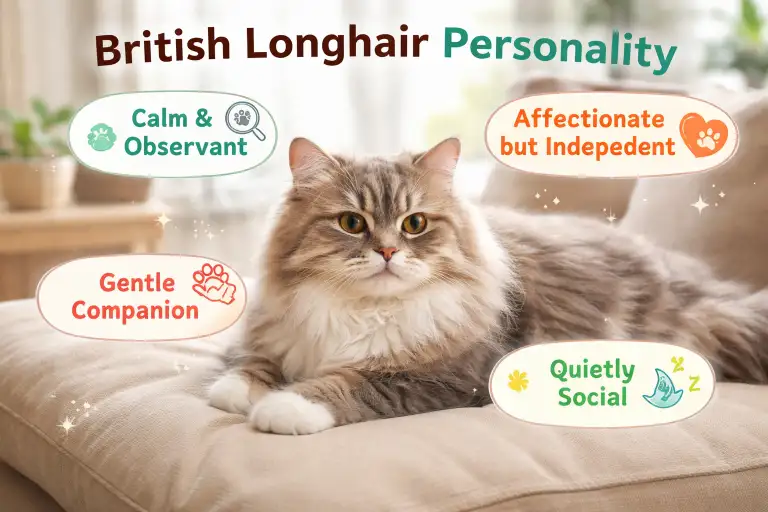
The British Longhair is known for its calm and gentle nature. These cats are not overly energetic or demanding. Instead, they enjoy observing their surroundings and quietly joining family activities without making a fuss. Their presence in the home is comforting, like a calm companion who is always nearby but not intrusive.
Recommended Dog Care Products
Based on your dog’s age, these products may help with comfort, health, grooming, and daily care.

Purina Pro Plan Veterinary Supplements
Daily probiotics for dogs to support digestive and gut health.
View on Amazon ↗
Earth Rated Poop Bags for Dogs
Leak-proof, extra thick waste bag refill rolls with lavender scent.
View on Amazon ↗
Greenies Pill Pockets for Dogs
Large dog treats for capsule medication, peanut butter flavor.
View on Amazon ↗
HONEY CARE All-Absorb Dog Wrap
Small male dog wraps, 50 count, useful for daily care support.
View on Amazon ↗
Seresto Flea & Tick Collar
Flea and tick treatment and prevention for dogs over 18 lbs.
View on Amazon ↗
Milk-Bone MaroSnacks
Small dog treats with real bone marrow in a 40 oz canister.
View on Amazon ↗
Vital Essentials Dog Treats
Freeze dried beef liver dog treats, grain free and single ingredient.
View on Amazon ↗
Stain & Odor Eliminator
Enzyme cleaner for pet stains, carpet messes, and strong odors.
View on Amazon ↗
Pur Luv Chicken Jerky Treats
Dog treats made with real chicken breast, high protein and chew-friendly.
View on Amazon ↗
Milk-Bone Flavor Snacks
Mini crunchy dog biscuits in a 36 oz canister for small rewards.
View on Amazon ↗As an Amazon Associate, we may earn from qualifying purchases.
Most British Longhairs are independent while still enjoying human company. They may follow you from room to room, sit near you on the couch, or rest on a favorite spot close to their owners. This breed prefers slow, consistent interaction rather than constant petting or play. They show love in subtle ways, like soft purring, gentle nudges, or simply being near you.
These cats are emotionally steady and rarely get startled by normal household noises or changes in routine. They think before reacting, which can sometimes be misunderstood as aloofness. In reality, this careful approach is part of their confident and secure personality.
British Longhairs have a reserved but affectionate style. Some enjoy brief cuddle sessions, while others show trust by choosing to be near you without direct contact. Slow blinks, sitting nearby, or resting in your presence are all signs of their attachment. Their quiet and thoughtful nature makes them excellent companions for people who prefer a peaceful home environment.
What Shapes British Longhair Behavior
British Longhair behavior is influenced by a mix of genetics, early experiences, and environment. Their lineage from British Shorthairs gives them a calm and balanced temperament. This means they are naturally composed, thoughtful, and emotionally stable.
Early socialization plays an important role. Kittens exposed to gentle handling, different people, and various home experiences tend to grow up more confident and friendly. Homes with consistent routines, calm voices, and low chaos help them feel secure. Loud, unpredictable environments can make them shy or reserved, but with patience, they usually adapt.
Every cat is unique, even within this breed. Personality can vary based on individual experiences and daily life. For example, one British Longhair might enjoy short bursts of play, while another prefers lounging in quiet spots. Owners who respect their cat’s boundaries help maintain trust and a positive relationship.
Environmental enrichment also shapes behavior. Toys, scratching posts, window perches, and safe observation spots give them mental stimulation without overwhelming them. This allows the cat to express natural curiosity and play instincts while keeping their calm personality intact.
Factors Influencing British Longhair Personality
| Factor | Influence on Behavior | Owner Observation |
|---|---|---|
| Genetics | Calm, balanced temperament | Cat rarely reacts abruptly |
| Early Socialization | Confidence and friendliness | Comfortable with visitors and gentle children |
| Home Routine | Security and predictability | Follows daily routines without stress |
| Environmental Enrichment | Mental stimulation | Uses toys, perches, and scratching posts regularly |
How British Longhairs Communicate
British Longhairs communicate mostly through body language and subtle vocalizations. They do not usually meow loudly or frequently, but they make soft sounds like purrs, trills, or gentle chirps to show contentment.
Recommended Dog Care Products
Based on your dog’s age, these products may help with comfort, health, grooming, and daily care.
Purina Pro Plan Veterinary Supplements
Daily probiotics for dogs to support digestive and gut health.
View on Amazon ↗
Earth Rated Poop Bags for Dogs
Leak-proof, extra thick waste bag refill rolls with lavender scent.
View on Amazon ↗
Greenies Pill Pockets for Dogs
Large dog treats for capsule medication, peanut butter flavor.
View on Amazon ↗
HONEY CARE All-Absorb Dog Wrap
Small male dog wraps, 50 count, useful for daily care support.
View on Amazon ↗
Seresto Flea & Tick Collar
Flea and tick treatment and prevention for dogs over 18 lbs.
View on Amazon ↗
Milk-Bone MaroSnacks
Small dog treats with real bone marrow in a 40 oz canister.
View on Amazon ↗
Vital Essentials Dog Treats
Freeze dried beef liver dog treats, grain free and single ingredient.
View on Amazon ↗
Stain & Odor Eliminator
Enzyme cleaner for pet stains, carpet messes, and strong odors.
View on Amazon ↗
Pur Luv Chicken Jerky Treats
Dog treats made with real chicken breast, high protein and chew-friendly.
View on Amazon ↗
Milk-Bone Flavor Snacks
Mini crunchy dog biscuits in a 36 oz canister for small rewards.
View on Amazon ↗As an Amazon Associate, we may earn from qualifying purchases.
Body posture is a key indicator of their mood. Relaxed sitting or lying positions, a gently waving tail, and ears that point forward signal comfort and trust. Slow blinks toward a person are a sign of affection and confidence. Unlike some breeds, they rarely use dramatic gestures to demand attention.
They also show stress quietly. Hiding, staying still, or choosing a high perch can indicate unease. It’s important for owners to pay attention to these subtle cues rather than waiting for loud or obvious signs.
Understanding their signals helps strengthen the bond. When you notice a British Longhair approaching gently, sitting nearby, or giving a soft purr, they are expressing comfort and trust. Consistent observation allows owners to respond appropriately and create a secure environment for their cat.
British Longhair Communication Signals
| Signal | Meaning | Common Misinterpretation |
|---|---|---|
| Slow blink | Affection and trust | Cat is sleepy or ignoring you |
| Soft purr | Contentment | Cat is passive or lazy |
| Tail gently waving | Curiosity or relaxed interest | Cat wants to play aggressively |
| Sitting nearby | Bonding without demand | Cat is aloof or uninterested |
| Hiding | Stress or unease | Cat is shy forever |
Social & Daily Behavior at Home
British Longhairs are friendly but not overly demanding. They enjoy being near their humans but usually on their own terms. They may follow you around the house, rest beside you, or even sit on your lap briefly if they feel comfortable.
With children, they prefer calm interactions. They respond best to gentle petting and slow movements. Sudden loud noises or rough play can make them withdraw temporarily. They are not high-energy cats, so they are suited to quieter homes or families who understand their subtle cues.
These cats usually get along well with other pets, especially if introductions are slow and patient. They can coexist with other cats or calm dogs, valuing personal space while showing occasional social curiosity.
British Longhairs are moderately playful. Short, interactive play sessions with toys or gentle stalking games satisfy their hunting instincts. They also enjoy observing birds, small animals, or household activities from windows or elevated perches.
British Longhair Social Behavior
| Situation | Typical Response | Owner Note |
|---|---|---|
| Lap sitting | Brief and calm | Cat may leave after a few minutes |
| Children play | Gentle interaction | Prefers quiet, careful handling |
| Other cats | Tolerant and curious | May establish separate resting areas |
| Dogs | Observant but friendly | Slow introduction improves comfort |
| Play sessions | Short bursts | Prefers stalking or chasing toys |
Commonly Misunderstood British Longhair Behaviors
Many owners mistake the British Longhair’s quiet and calm nature for laziness or aloofness. In reality, this breed is conserving energy and observing their environment. They are emotionally secure and do not need constant attention to show affection.
Recommended Dog Care Products
Based on your dog’s age, these products may help with comfort, health, grooming, and daily care.
Purina Pro Plan Veterinary Supplements
Daily probiotics for dogs to support digestive and gut health.
View on Amazon ↗
Earth Rated Poop Bags for Dogs
Leak-proof, extra thick waste bag refill rolls with lavender scent.
View on Amazon ↗
Greenies Pill Pockets for Dogs
Large dog treats for capsule medication, peanut butter flavor.
View on Amazon ↗
HONEY CARE All-Absorb Dog Wrap
Small male dog wraps, 50 count, useful for daily care support.
View on Amazon ↗
Seresto Flea & Tick Collar
Flea and tick treatment and prevention for dogs over 18 lbs.
View on Amazon ↗
Milk-Bone MaroSnacks
Small dog treats with real bone marrow in a 40 oz canister.
View on Amazon ↗
Vital Essentials Dog Treats
Freeze dried beef liver dog treats, grain free and single ingredient.
View on Amazon ↗
Stain & Odor Eliminator
Enzyme cleaner for pet stains, carpet messes, and strong odors.
View on Amazon ↗
Pur Luv Chicken Jerky Treats
Dog treats made with real chicken breast, high protein and chew-friendly.
View on Amazon ↗
Milk-Bone Flavor Snacks
Mini crunchy dog biscuits in a 36 oz canister for small rewards.
View on Amazon ↗As an Amazon Associate, we may earn from qualifying purchases.
Some people expect cats to be highly interactive or vocal. British Longhairs communicate in subtle ways, which can be overlooked by owners unfamiliar with the breed. Gentle nudges, soft purrs, and presence nearby are all forms of bonding.
Because they are low-drama and composed, owners might mislabel them as boring. In fact, their steady and predictable temperament makes them ideal companions for households seeking calm and peaceful pets.
Understanding these traits helps prevent misinterpretation. Paying attention to subtle behaviors, observing their comfort signals, and respecting their boundaries ensures a happy relationship for both cat and owner.
Myth vs Reality — British Longhair Behavior
| Common Belief | Actual Explanation | Why It’s Normal |
|---|---|---|
| Lazy cat | Energy-conserving and calm | Prefers quiet activity, not inactivity |
| Aloof cat | Emotionally secure and independent | Shows affection subtly without demanding attention |
| Boring cat | Thoughtful observer | Engages in play and social interaction on their terms |
| Not affectionate | Loyal and gentle | Shows love through presence, slow blinks, and purring |
For more detailed guidance on British Longhair care and temperament, readers can visit the Cat Fanciers’ Association breed profile.

Ata Ur Rehman is the founder of Pet Age in Human Years Calculator, an educational platform that provides age conversion charts and lifespan guides for dogs, cats, birds, and other companion animals. His work focuses on helping pet owners understand how animal ages translate into human years using commonly accepted age conversion formulas and published lifespan averages.
The website compiles breed and species lifespan data from kennel clubs, breed organizations, and general animal lifespan studies to present simple and easy-to-understand guides for pet owners worldwide.
This website was created to centralize animal age conversion charts into one easy reference platform for pet owners.