Bengal Longhair Cost of Ownership: How Much It Really Costs to Own This Breed
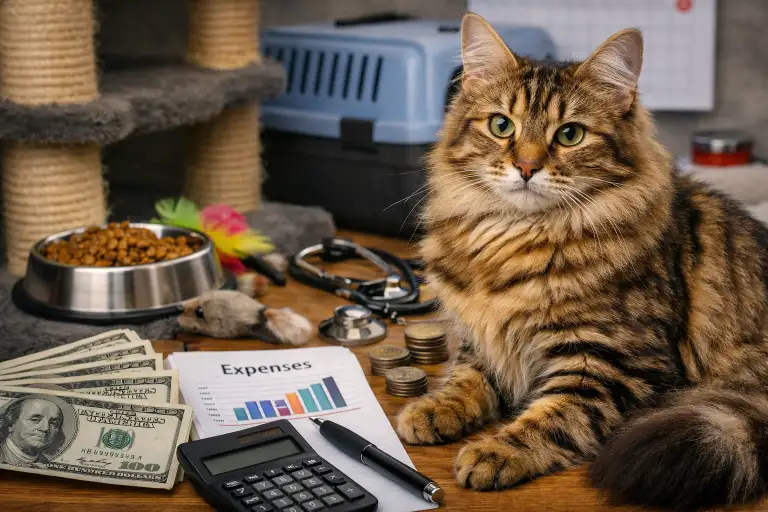
When people search for the cost of owning a Bengal Longhair, they’re rarely just looking for a number. Most are trying to answer a more important question: can I afford this cat responsibly over its entire life, not just at the start?
Recommended Dog Care Products
Based on your dog’s age, these products may help with comfort, health, grooming, and daily care.

Purina Pro Plan Veterinary Supplements
Daily probiotics for dogs to support digestive and gut health.
View on Amazon ↗
Earth Rated Poop Bags for Dogs
Leak-proof, extra thick waste bag refill rolls with lavender scent.
View on Amazon ↗
Greenies Pill Pockets for Dogs
Large dog treats for capsule medication, peanut butter flavor.
View on Amazon ↗
HONEY CARE All-Absorb Dog Wrap
Small male dog wraps, 50 count, useful for daily care support.
View on Amazon ↗
Seresto Flea & Tick Collar
Flea and tick treatment and prevention for dogs over 18 lbs.
View on Amazon ↗
Milk-Bone MaroSnacks
Small dog treats with real bone marrow in a 40 oz canister.
View on Amazon ↗
Vital Essentials Dog Treats
Freeze dried beef liver dog treats, grain free and single ingredient.
View on Amazon ↗
Stain & Odor Eliminator
Enzyme cleaner for pet stains, carpet messes, and strong odors.
View on Amazon ↗
Pur Luv Chicken Jerky Treats
Dog treats made with real chicken breast, high protein and chew-friendly.
View on Amazon ↗
Milk-Bone Flavor Snacks
Mini crunchy dog biscuits in a 36 oz canister for small rewards.
View on Amazon ↗As an Amazon Associate, we may earn from qualifying purchases.
Bengal Longhairs tend to be more expensive to own than the average domestic cat, but not always for the reasons people expect. The higher cost isn’t only about purchase price or grooming. It comes from a combination of high activity levels, strong enrichment needs, long-term care demands, and the way small monthly expenses quietly compound over time.
This guide is written as a budgeting and planning resource, not a sales page. All costs discussed are estimates, not guarantees. Actual expenses vary based on lifestyle, location, veterinary access, and owner choices. Instead of promising “average” figures that may not apply to real life, this article focuses on how costs behave, why they fluctuate, and where owners most often underestimate what owning a Bengal Longhair truly costs.
You’ll see expenses broken down into one-time costs, ongoing monthly and annual costs, unexpected expenses, and lifetime cost scenarios. The goal is not to discourage ownership, but to help you decide whether a Bengal Longhair fits your financial reality comfortably — without stress, shortcuts, or compromises to the cat’s quality of life.
If you’re looking for a clear-eyed view of what ownership really involves financially, this is the right place to start.
One-Time and Upfront Costs of a Bengal Longhair
Before a Bengal Longhair comes home, there are one-time costs you need to plan for. These are the expenses that happen at the beginning and often decide whether ownership feels smooth or stressful.
Many people focus only on the price of the cat itself, but that is just one part of the upfront cost. The real challenge is paying for everything the cat needs right away, not slowly over time.
Common one-time costs you should expect
| Expense type | What it includes | Why it matters |
|---|---|---|
| Purchase or adoption | Breeder or adoption fee | Bengal Longhairs are rare and usually cost more than average cats |
| Spay or neuter | Surgery and basic meds | Needed for health and behavior, even if the cat stays indoors |
| First vet visit | Health check, basic tests | Helps find issues early and sets a care baseline |
| Carrier | Safe travel to the vet | Strong carriers are important for active, powerful cats |
| Litter box setup | Box, scoop, first litter | Many Bengals need larger or sturdier boxes |
| Scratching & climbing items | Scratching posts, cat trees | This is not optional for this breed |
| Bowls, toys, basics | Food bowls, toys, nail clippers | Cheap items often need quick replacement |
These costs are paid before or shortly after bringing the cat home. Skipping or delaying them often leads to higher costs later, such as damaged furniture, stress behaviors, or emergency vet visits.
A Bengal Longhair is very active and curious. If the home is not ready, owners usually end up buying things twice — once cheaply, then again at better quality. Planning upfront helps avoid that problem.
Monthly and Annual Costs of Owning a Bengal Longhair
After the first setup, the real cost of owning a Bengal Longhair shows up in monthly and yearly spending. These are the costs that repeat again and again, even when nothing goes wrong.
Recommended Dog Care Products
Based on your dog’s age, these products may help with comfort, health, grooming, and daily care.
Purina Pro Plan Veterinary Supplements
Daily probiotics for dogs to support digestive and gut health.
View on Amazon ↗
Earth Rated Poop Bags for Dogs
Leak-proof, extra thick waste bag refill rolls with lavender scent.
View on Amazon ↗
Greenies Pill Pockets for Dogs
Large dog treats for capsule medication, peanut butter flavor.
View on Amazon ↗
HONEY CARE All-Absorb Dog Wrap
Small male dog wraps, 50 count, useful for daily care support.
View on Amazon ↗
Seresto Flea & Tick Collar
Flea and tick treatment and prevention for dogs over 18 lbs.
View on Amazon ↗
Milk-Bone MaroSnacks
Small dog treats with real bone marrow in a 40 oz canister.
View on Amazon ↗
Vital Essentials Dog Treats
Freeze dried beef liver dog treats, grain free and single ingredient.
View on Amazon ↗
Stain & Odor Eliminator
Enzyme cleaner for pet stains, carpet messes, and strong odors.
View on Amazon ↗
Pur Luv Chicken Jerky Treats
Dog treats made with real chicken breast, high protein and chew-friendly.
View on Amazon ↗
Milk-Bone Flavor Snacks
Mini crunchy dog biscuits in a 36 oz canister for small rewards.
View on Amazon ↗As an Amazon Associate, we may earn from qualifying purchases.
Many owners feel comfortable at first, then get surprised when small monthly costs add up faster than expected.
Typical monthly costs
| Cost area | What you’re paying for | Why it matters for this breed |
|---|---|---|
| Food | Daily meals and treats | Bengal Longhairs are very active and often eat more |
| Litter | Litter and waste supplies | Active cats use more litter and track it around |
| Toys and enrichment | Toys, puzzle feeders | Bored Bengals can become destructive |
| Grooming supplies | Brushes, nail care | Long fur needs regular care |
| Basic health care | Flea or parasite prevention | Often needed even for indoor cats |
These costs may seem small on their own, but they repeat every month for many years.
Annual and periodic costs people forget
| Expense | How often it happens | Why it’s easy to miss |
|---|---|---|
| Vet checkups | Once a year | Feels optional, but helps prevent bigger bills |
| Vaccines | Every 1–3 years | Often forgotten after the first year |
| Dental care | Occasionally | Problems grow slowly and get expensive |
| Replacing worn items | As needed | Toys, scratchers, and beds wear out fast |
Bengal Longhairs are strong, playful, and curious. This means toys, scratchers, and climbing items often break or wear out sooner than with calmer cats.
Over time, many owners realize the monthly budget matters more than the starting cost. If the monthly spending already feels tight, the long-term cost can become stressful.
Unexpected, Lifestyle, and Long-Term Costs People Don’t Plan For
Even with a good monthly budget, some costs appear without warning. These are often the hardest expenses because they are not regular and are easy to forget during planning.
Bengal Longhairs are smart, active, and curious. These traits make them fun, but they can also raise costs in ways many owners don’t expect.
Common unexpected costs
| Situation | Why it happens | Cost impact |
|---|---|---|
| Emergency vet visits | Injuries, sudden illness | Can be high and urgent |
| Home damage | Scratching, climbing, knocking things over | Repair or replacement costs |
| Stress behaviors | Boredom or lack of stimulation | Extra toys or behavior help |
| Travel care | Boarding or pet sitting | Bengals often need special care |
| Moving homes | Pet deposits or setup changes | One-time but expensive |
Lifestyle costs that add up over time
- Time cost: Bengal Longhairs need daily play and attention
- Space needs: Small spaces often require more enrichment spending
- Noise and activity: Some owners change housing or routines
- Aging care: Older cats usually need more vet visits and support
Many people plan for food and litter but forget to plan for life changes. Travel, work schedules, moves, or health changes can all affect how much a Bengal Longhair costs to care for properly.
These costs don’t mean something went wrong. They are part of real life with a high-energy, long-living cat. Planning for them reduces stress for both the owner and the cat.
Lifetime Cost of a Bengal Longhair and Who This Breed Is Financially Right For
When you add everything together, the cost of owning a Bengal Longhair is not about one big payment. It is about many small and medium costs over a long life.
Bengal Longhairs often live 12 to 16 years or more. That means monthly, yearly, and surprise costs repeat for a long time. Even small spending choices can grow into large totals over the years.
Recommended Dog Care Products
Based on your dog’s age, these products may help with comfort, health, grooming, and daily care.
Purina Pro Plan Veterinary Supplements
Daily probiotics for dogs to support digestive and gut health.
View on Amazon ↗
Earth Rated Poop Bags for Dogs
Leak-proof, extra thick waste bag refill rolls with lavender scent.
View on Amazon ↗
Greenies Pill Pockets for Dogs
Large dog treats for capsule medication, peanut butter flavor.
View on Amazon ↗
HONEY CARE All-Absorb Dog Wrap
Small male dog wraps, 50 count, useful for daily care support.
View on Amazon ↗
Seresto Flea & Tick Collar
Flea and tick treatment and prevention for dogs over 18 lbs.
View on Amazon ↗
Milk-Bone MaroSnacks
Small dog treats with real bone marrow in a 40 oz canister.
View on Amazon ↗
Vital Essentials Dog Treats
Freeze dried beef liver dog treats, grain free and single ingredient.
View on Amazon ↗
Stain & Odor Eliminator
Enzyme cleaner for pet stains, carpet messes, and strong odors.
View on Amazon ↗
Pur Luv Chicken Jerky Treats
Dog treats made with real chicken breast, high protein and chew-friendly.
View on Amazon ↗
Milk-Bone Flavor Snacks
Mini crunchy dog biscuits in a 36 oz canister for small rewards.
View on Amazon ↗As an Amazon Associate, we may earn from qualifying purchases.
Lifetime cost depends on your lifestyle
| Owner type | What ownership looks like | Cost pattern |
|---|---|---|
| Budget-focused owner | Plans ahead, limits extras | Lower but still steady |
| Average engaged owner | Good food, toys, routine vet care | Moderate and consistent |
| High-care owner | Extra enrichment, travel care, senior support | Higher long-term cost |
There is no single “correct” lifetime cost number. Two people can own the same breed and spend very different amounts based on housing, time, health needs, and personal choices.
This breed may be a good financial fit if:
- You can handle steady monthly costs without stress
- You have room in your budget for surprise expenses
- You can afford long-term care, not just the first year
- You value planning over quick fixes
You may want to reconsider if:
- Monthly spending already feels tight
- Emergency costs would cause serious financial strain
- Your lifestyle changes often or is unpredictable
- You expect the breed to be low-cost or low-effort
A Bengal Longhair can be a rewarding companion, but only when the financial side is realistic and comfortable. The goal is not perfection, but financial stability that supports good care for the cat’s whole life.
For a general, non-breed-specific look at what caring for a cat costs over time, you can also review the ASPCA’s overview of cat care and ownership expenses.

Ata Ur Rehman is the founder of Pet Age in Human Years Calculator, an educational platform that provides age conversion charts and lifespan guides for dogs, cats, birds, and other companion animals. His work focuses on helping pet owners understand how animal ages translate into human years using commonly accepted age conversion formulas and published lifespan averages.
The website compiles breed and species lifespan data from kennel clubs, breed organizations, and general animal lifespan studies to present simple and easy-to-understand guides for pet owners worldwide.
This website was created to centralize animal age conversion charts into one easy reference platform for pet owners.