Burmese Cat Cost of Ownership and Lifetime Expenses
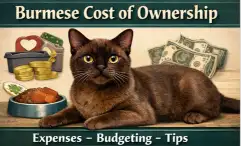
Owning a Burmese cat is not just about liking how they look. It is about understanding the long-term cost of caring for a living animal that depends on you every day. Many people focus only on the buying or adoption price, but that is only a small part of the full cost picture.
Recommended Dog Care Products
Based on your dog’s age, these products may help with comfort, health, grooming, and daily care.

Purina Pro Plan Veterinary Supplements
Daily probiotics for dogs to support digestive and gut health.
View on Amazon ↗
Earth Rated Poop Bags for Dogs
Leak-proof, extra thick waste bag refill rolls with lavender scent.
View on Amazon ↗
Greenies Pill Pockets for Dogs
Large dog treats for capsule medication, peanut butter flavor.
View on Amazon ↗
HONEY CARE All-Absorb Dog Wrap
Small male dog wraps, 50 count, useful for daily care support.
View on Amazon ↗
Seresto Flea & Tick Collar
Flea and tick treatment and prevention for dogs over 18 lbs.
View on Amazon ↗
Milk-Bone MaroSnacks
Small dog treats with real bone marrow in a 40 oz canister.
View on Amazon ↗
Vital Essentials Dog Treats
Freeze dried beef liver dog treats, grain free and single ingredient.
View on Amazon ↗
Stain & Odor Eliminator
Enzyme cleaner for pet stains, carpet messes, and strong odors.
View on Amazon ↗
Pur Luv Chicken Jerky Treats
Dog treats made with real chicken breast, high protein and chew-friendly.
View on Amazon ↗
Milk-Bone Flavor Snacks
Mini crunchy dog biscuits in a 36 oz canister for small rewards.
View on Amazon ↗As an Amazon Associate, we may earn from qualifying purchases.
Burmese cats are known for being social, people-focused, and very attached to their owners. This personality can affect costs over time. They often need more attention, more indoor enrichment, and more interaction than cats that are happy being left alone for long hours.
This guide is written to help you think clearly before you commit. It does not try to scare you, and it does not try to sell you anything. The goal is to help you decide if a Burmese cat fits your budget, lifestyle, and long-term plans.
All costs discussed here are estimates and categories, not promises. Real expenses change based on location, lifestyle, and the cat’s health. Planning ahead is the best way to avoid stress later.
One-Time and First-Year Costs of Owning a Burmese Cat
The first year of owning a Burmese cat is usually the most expensive. This is when you pay for setup costs and early veterinary care. Even owners who adopt instead of buying will still face most of these expenses.
First-year costs include things you only buy once, like basic supplies, and things that are heavier in the beginning, like early vet visits. Many new owners underestimate how much these early costs add up when combined.
You may already have some items at home, but cats have specific needs. Litter boxes, scratching posts, carriers, and safe resting areas are not optional. Burmese cats are active and curious, so poor-quality items may need to be replaced quickly.
Planning for first-year costs helps prevent cutting corners that could affect your cat’s health or behavior later.
One-Time and First-Year Cost Categories
| Cost Category | How Often | Cost Level |
|---|---|---|
| Adoption or purchase | One time | Medium to High |
| Initial vet exams | First year | Medium |
| Spay or neuter | One time | Medium |
| Basic supplies | One time | Medium |
| Early vaccinations | First year | Medium |
| Home setup and enrichment | First year | Medium |
Monthly and Annual Expenses for a Burmese Cat
After the first year, costs become more regular and easier to plan for. These are the expenses you will pay month after month and year after year. This is where long-term affordability really matters.
Recommended Dog Care Products
Based on your dog’s age, these products may help with comfort, health, grooming, and daily care.
Purina Pro Plan Veterinary Supplements
Daily probiotics for dogs to support digestive and gut health.
View on Amazon ↗
Earth Rated Poop Bags for Dogs
Leak-proof, extra thick waste bag refill rolls with lavender scent.
View on Amazon ↗
Greenies Pill Pockets for Dogs
Large dog treats for capsule medication, peanut butter flavor.
View on Amazon ↗
HONEY CARE All-Absorb Dog Wrap
Small male dog wraps, 50 count, useful for daily care support.
View on Amazon ↗
Seresto Flea & Tick Collar
Flea and tick treatment and prevention for dogs over 18 lbs.
View on Amazon ↗
Milk-Bone MaroSnacks
Small dog treats with real bone marrow in a 40 oz canister.
View on Amazon ↗
Vital Essentials Dog Treats
Freeze dried beef liver dog treats, grain free and single ingredient.
View on Amazon ↗
Stain & Odor Eliminator
Enzyme cleaner for pet stains, carpet messes, and strong odors.
View on Amazon ↗
Pur Luv Chicken Jerky Treats
Dog treats made with real chicken breast, high protein and chew-friendly.
View on Amazon ↗
Milk-Bone Flavor Snacks
Mini crunchy dog biscuits in a 36 oz canister for small rewards.
View on Amazon ↗As an Amazon Associate, we may earn from qualifying purchases.
Food and litter are the most obvious monthly costs. Quality food supports long-term health, which can reduce future medical problems. Cheaper options may seem helpful now but can lead to higher costs later.
Routine vet care is usually paid yearly, but it is best to think of it as a monthly cost spread out over time. This includes wellness checks and basic preventive care. Grooming costs are lower for Burmese cats, but they are not zero.
Even when nothing goes wrong, owning a cat is not free. These steady costs continue for the cat’s entire life.
Monthly vs Annual Expense Overview
| Expense Type | Frequency | Cost Level |
|---|---|---|
| Food | Monthly | Medium |
| Litter | Monthly | Low to Medium |
| Routine vet care | Annual | Medium |
| Preventive treatments | Annual | Medium |
| Toy and supply replacement | Ongoing | Low |
Unexpected, Emergency, and Long-Term Burmese Cat Costs
This is the part many cost guides avoid or minimize. Unexpected costs are real, and they can be stressful if you are not prepared. Even healthy Burmese cats can face illness or injury at some point in their lives.
Emergency vet visits often cost much more than routine care. Tests, imaging, and treatments add up quickly. These costs are unpredictable and can happen at any age.
As Burmese cats grow older, costs usually increase. Senior cats often need more frequent vet visits and special care. End-of-life care is also something responsible owners should think about in advance, even if it is uncomfortable.
These costs do not mean Burmese cats are a bad choice. They simply mean long-term planning matters.
Common Forgotten or Variable Costs
| Situation | When It Happens | Cost Impact |
|---|---|---|
| Emergency illness or injury | Anytime | High |
| Diagnostic testing | As needed | Medium to High |
| Senior care needs | Later years | Medium |
| Behavioral stress costs | Lifestyle-based | Low to Medium |
| End-of-life care | Final stage | Medium |
Is a Burmese Cat Affordable for You? Real Cost Summary
Affordability is not about being rich. It is about being realistic. A Burmese cat can be affordable for many people, but only if the ongoing costs fit comfortably within their budget.
Recommended Dog Care Products
Based on your dog’s age, these products may help with comfort, health, grooming, and daily care.
Purina Pro Plan Veterinary Supplements
Daily probiotics for dogs to support digestive and gut health.
View on Amazon ↗
Earth Rated Poop Bags for Dogs
Leak-proof, extra thick waste bag refill rolls with lavender scent.
View on Amazon ↗
Greenies Pill Pockets for Dogs
Large dog treats for capsule medication, peanut butter flavor.
View on Amazon ↗
HONEY CARE All-Absorb Dog Wrap
Small male dog wraps, 50 count, useful for daily care support.
View on Amazon ↗
Seresto Flea & Tick Collar
Flea and tick treatment and prevention for dogs over 18 lbs.
View on Amazon ↗
Milk-Bone MaroSnacks
Small dog treats with real bone marrow in a 40 oz canister.
View on Amazon ↗
Vital Essentials Dog Treats
Freeze dried beef liver dog treats, grain free and single ingredient.
View on Amazon ↗
Stain & Odor Eliminator
Enzyme cleaner for pet stains, carpet messes, and strong odors.
View on Amazon ↗
Pur Luv Chicken Jerky Treats
Dog treats made with real chicken breast, high protein and chew-friendly.
View on Amazon ↗
Milk-Bone Flavor Snacks
Mini crunchy dog biscuits in a 36 oz canister for small rewards.
View on Amazon ↗As an Amazon Associate, we may earn from qualifying purchases.
If paying for food, litter, and routine vet care already feels stressful, a Burmese cat may add pressure rather than joy. If you can handle steady monthly costs and occasional surprises without panic, ownership is more likely to be positive.
This breed does best with owners who can plan ahead and stay consistent. Cutting costs in ways that affect health or care often leads to bigger expenses later.
Burmese Cat Cost Snapshot
| Cost Phase | What It Includes | Overall Impact |
|---|---|---|
| First year | Setup and early care | Highest |
| Ongoing years | Monthly and annual care | Medium |
| Emergencies | Unplanned events | Variable |
| Lifetime total | All years combined | High commitment |
For general feline care standards and owner responsibilities, you can also review guidance from the American Veterinary Medical Association:
https://www.avma.org/resources-tools/pet-owners/petcare/cats

Ata Ur Rehman is the founder of Pet Age in Human Years Calculator, an educational platform that provides age conversion charts and lifespan guides for dogs, cats, birds, and other companion animals. His work focuses on helping pet owners understand how animal ages translate into human years using commonly accepted age conversion formulas and published lifespan averages.
The website compiles breed and species lifespan data from kennel clubs, breed organizations, and general animal lifespan studies to present simple and easy-to-understand guides for pet owners worldwide.
This website was created to centralize animal age conversion charts into one easy reference platform for pet owners.