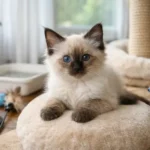
Burmese Cat Full Breed Guide Covering Care, Traits, and Lifespan
The Burmese cat is known for being loving, playful, and very close to people. This breed is often called a “people cat” because it enjoys human company more than being alone. Burmese cats like to follow their owners around the house and be part of daily life. They are friendly, curious, and full of personality.
Recommended Dog Care Products
Based on your dog’s age, these products may help with comfort, health, grooming, and daily care.

Purina Pro Plan Veterinary Supplements
Daily probiotics for dogs to support digestive and gut health.
View on Amazon ↗
Earth Rated Poop Bags for Dogs
Leak-proof, extra thick waste bag refill rolls with lavender scent.
View on Amazon ↗
Greenies Pill Pockets for Dogs
Large dog treats for capsule medication, peanut butter flavor.
View on Amazon ↗
HONEY CARE All-Absorb Dog Wrap
Small male dog wraps, 50 count, useful for daily care support.
View on Amazon ↗
Seresto Flea & Tick Collar
Flea and tick treatment and prevention for dogs over 18 lbs.
View on Amazon ↗
Milk-Bone MaroSnacks
Small dog treats with real bone marrow in a 40 oz canister.
View on Amazon ↗
Vital Essentials Dog Treats
Freeze dried beef liver dog treats, grain free and single ingredient.
View on Amazon ↗
Stain & Odor Eliminator
Enzyme cleaner for pet stains, carpet messes, and strong odors.
View on Amazon ↗
Pur Luv Chicken Jerky Treats
Dog treats made with real chicken breast, high protein and chew-friendly.
View on Amazon ↗
Milk-Bone Flavor Snacks
Mini crunchy dog biscuits in a 36 oz canister for small rewards.
View on Amazon ↗As an Amazon Associate, we may earn from qualifying purchases.
The history of the Burmese cat started in the early 1900s. The modern Burmese breed began with a brown cat named Wong Mau, who was brought from Southeast Asia to the United States. Breeders crossed her with Siamese cats, which helped shape the Burmese we know today. Over time, breeders focused on creating a strong, healthy cat with a gentle and social nature.
There are two main types of Burmese cats today: American Burmese and European Burmese. American Burmese have rounder heads and bodies, while European Burmese are a bit slimmer with longer faces. Both types share the same loving and playful personality, but their looks can be slightly different.
Burmese cats are recognized by major cat organizations like the CFA (Cat Fanciers’ Association) and TICA (The International Cat Association). They are popular around the world because they fit well into many homes and form strong bonds with their families.
Burmese Cat Quick Facts
| Feature | Details |
|---|---|
| Breed name | Burmese |
| Origin | Southeast Asia / United States |
| Body type | Muscular, compact |
| Coat length | Short |
| Personality | Affectionate, playful, social |
| Vocal level | Moderate |
| Good for families | Yes |
Burmese Cat Appearance, Size & Lifespan
Burmese cats are medium-sized but feel heavier than they look. Many owners are surprised when they pick one up for the first time. This is because Burmese cats have strong muscles and solid bodies, even though they appear smooth and sleek.
Adult Burmese cats usually weigh between 8 and 12 pounds. Males are often larger than females. Their bodies are compact, with rounded chests and strong legs. This build makes them active and agile, but not long or skinny like Siamese cats.
The coat of a Burmese cat is short, fine, and very soft. It almost feels like satin when you touch it. Burmese cats come in several colors, including sable (dark brown), champagne, blue, and platinum. Their coat color can change slightly as they age, especially becoming darker.
Burmese cats usually live long, healthy lives. The average lifespan is around 14 to 16 years, and many live even longer with good care, a healthy diet, and regular vet visits.
Appearance, Size & Lifespan
Recommended Dog Care Products
Based on your dog’s age, these products may help with comfort, health, grooming, and daily care.
Purina Pro Plan Veterinary Supplements
Daily probiotics for dogs to support digestive and gut health.
View on Amazon ↗
Earth Rated Poop Bags for Dogs
Leak-proof, extra thick waste bag refill rolls with lavender scent.
View on Amazon ↗
Greenies Pill Pockets for Dogs
Large dog treats for capsule medication, peanut butter flavor.
View on Amazon ↗
HONEY CARE All-Absorb Dog Wrap
Small male dog wraps, 50 count, useful for daily care support.
View on Amazon ↗
Seresto Flea & Tick Collar
Flea and tick treatment and prevention for dogs over 18 lbs.
View on Amazon ↗
Milk-Bone MaroSnacks
Small dog treats with real bone marrow in a 40 oz canister.
View on Amazon ↗
Vital Essentials Dog Treats
Freeze dried beef liver dog treats, grain free and single ingredient.
View on Amazon ↗
Stain & Odor Eliminator
Enzyme cleaner for pet stains, carpet messes, and strong odors.
View on Amazon ↗
Pur Luv Chicken Jerky Treats
Dog treats made with real chicken breast, high protein and chew-friendly.
View on Amazon ↗
Milk-Bone Flavor Snacks
Mini crunchy dog biscuits in a 36 oz canister for small rewards.
View on Amazon ↗As an Amazon Associate, we may earn from qualifying purchases.
| Trait | Details |
|---|---|
| Average weight | 8–12 pounds |
| Body type | Muscular and compact |
| Coat type | Short, smooth, low shedding |
| Common colors | Sable, champagne, blue, platinum |
| Eye color | Gold to yellow |
| Average lifespan | 14–16 years |
Burmese Cat Personality, Behavior & Energy Level
The Burmese cat is very affectionate and loves attention. This breed enjoys being held, sitting on laps, and sleeping close to its owner. Burmese cats form deep emotional bonds and often choose one favorite person, but they are friendly with the whole family.
These cats are playful and energetic, even as adults. They enjoy interactive games like fetch, chasing toys, and climbing cat trees. Burmese cats do not like being bored. They need daily playtime and mental activity to stay happy.
Burmese cats are smart and curious. They learn routines quickly and often try to open doors or cabinets. Because of their intelligence, they enjoy puzzle toys and games that make them think. They also like to be involved in whatever their owner is doing.
Their voice is softer than a Siamese cat, but they do like to talk. Burmese cats use gentle meows to ask for attention, food, or playtime. They are not loud all the time, but they do communicate often.
Personality Traits at a Glance
| Trait | Level |
|---|---|
| Affection | Very high |
| Energy level | Medium to high |
| Intelligence | High |
| Playfulness | High |
| Independence | Low |
| Vocalization | Medium |
Living With a Burmese Cat (Suitability, Care & Health)
Burmese cats do very well in family homes. They are patient with children and enjoy gentle play. Because they are social, they are also good for first-time cat owners who want a friendly and loving pet.
This breed adapts well to apartment living, as long as it gets enough play and attention. Burmese cats do not like being left alone for long hours every day. If left alone too often, they may become sad or bored.
Burmese cats usually get along well with other cats and even dogs, especially if introduced slowly. They enjoy company and often do better in homes where someone is around most of the day or where there is another friendly pet.
Grooming a Burmese cat is very easy. Their short coat needs only light brushing once a week. They shed very little. Health-wise, Burmese cats are generally healthy, but some lines may have issues like dental problems or diabetes. Regular vet checkups are important.
Suitability for Different Households
Recommended Dog Care Products
Based on your dog’s age, these products may help with comfort, health, grooming, and daily care.
Purina Pro Plan Veterinary Supplements
Daily probiotics for dogs to support digestive and gut health.
View on Amazon ↗
Earth Rated Poop Bags for Dogs
Leak-proof, extra thick waste bag refill rolls with lavender scent.
View on Amazon ↗
Greenies Pill Pockets for Dogs
Large dog treats for capsule medication, peanut butter flavor.
View on Amazon ↗
HONEY CARE All-Absorb Dog Wrap
Small male dog wraps, 50 count, useful for daily care support.
View on Amazon ↗
Seresto Flea & Tick Collar
Flea and tick treatment and prevention for dogs over 18 lbs.
View on Amazon ↗
Milk-Bone MaroSnacks
Small dog treats with real bone marrow in a 40 oz canister.
View on Amazon ↗
Vital Essentials Dog Treats
Freeze dried beef liver dog treats, grain free and single ingredient.
View on Amazon ↗
Stain & Odor Eliminator
Enzyme cleaner for pet stains, carpet messes, and strong odors.
View on Amazon ↗
Pur Luv Chicken Jerky Treats
Dog treats made with real chicken breast, high protein and chew-friendly.
View on Amazon ↗
Milk-Bone Flavor Snacks
Mini crunchy dog biscuits in a 36 oz canister for small rewards.
View on Amazon ↗As an Amazon Associate, we may earn from qualifying purchases.
| Lifestyle | Suitable |
|---|---|
| Families with children | Yes |
| First-time owners | Yes |
| Apartments | Yes |
| Seniors | Yes |
| Homes with dogs | Yes |
| Left alone all day | Not ideal |
Burmese Cat Cost, Pros & Cons, and Similar Breeds
The cost of a Burmese kitten usually ranges from $800 to $2,000, depending on the breeder, location, and bloodline. Show-quality kittens may cost more. Monthly costs include food, litter, toys, and vet care.
Burmese cats do not need expensive grooming, but vet visits, vaccines, and possible health care should be planned for. Many owners choose pet insurance to help manage future medical costs.
This breed has many advantages, but it is not perfect for everyone. Burmese cats need attention and interaction. People who are away from home all day may find this breed demanding.
Similar breeds include the Bombay, Siamese, and Tonkinese. These breeds also share social and affectionate traits, but each has its own energy level and personality style.
Cost of Owning a Burmese Cat
| Expense | Estimated Cost |
|---|---|
| Kitten price | $800–$2,000 |
| Monthly care | $60–$100 |
| Annual vet care | $200–$400 |
| Pet insurance | Optional |
Pros & Cons
| Pros | Cons |
|---|---|
| Very affectionate | Needs attention |
| Good with families | Dislikes long alone time |
| Low grooming needs | Can get bored easily |
| Intelligent and playful | Not very independent |
Burmese vs Similar Breeds
| Breed | Energy | Vocal | Affection |
|---|---|---|---|
| Burmese | Medium-High | Medium | Very high |
| Siamese | High | Very high | High |
| Bombay | Medium | Low | High |
| Tonkinese | High | Medium | High |
For more official breed information, you can visit an authoritative source like The International Cat Association (TICA):
https://tica.org/breeds/breed-profiles/burmese/

Ata Ur Rehman is the founder of Pet Age in Human Years Calculator, an educational platform that provides age conversion charts and lifespan guides for dogs, cats, birds, and other companion animals. His work focuses on helping pet owners understand how animal ages translate into human years using commonly accepted age conversion formulas and published lifespan averages.
The website compiles breed and species lifespan data from kennel clubs, breed organizations, and general animal lifespan studies to present simple and easy-to-understand guides for pet owners worldwide.
Recommended Dog Care Products
Based on your dog’s age, these products may help with comfort, health, grooming, and daily care.
Purina Pro Plan Veterinary Supplements
Daily probiotics for dogs to support digestive and gut health.
View on Amazon ↗
Earth Rated Poop Bags for Dogs
Leak-proof, extra thick waste bag refill rolls with lavender scent.
View on Amazon ↗
Greenies Pill Pockets for Dogs
Large dog treats for capsule medication, peanut butter flavor.
View on Amazon ↗
HONEY CARE All-Absorb Dog Wrap
Small male dog wraps, 50 count, useful for daily care support.
View on Amazon ↗
Seresto Flea & Tick Collar
Flea and tick treatment and prevention for dogs over 18 lbs.
View on Amazon ↗
Milk-Bone MaroSnacks
Small dog treats with real bone marrow in a 40 oz canister.
View on Amazon ↗
Vital Essentials Dog Treats
Freeze dried beef liver dog treats, grain free and single ingredient.
View on Amazon ↗
Stain & Odor Eliminator
Enzyme cleaner for pet stains, carpet messes, and strong odors.
View on Amazon ↗
Pur Luv Chicken Jerky Treats
Dog treats made with real chicken breast, high protein and chew-friendly.
View on Amazon ↗
Milk-Bone Flavor Snacks
Mini crunchy dog biscuits in a 36 oz canister for small rewards.
View on Amazon ↗As an Amazon Associate, we may earn from qualifying purchases.
This website was created to centralize animal age conversion charts into one easy reference platform for pet owners.