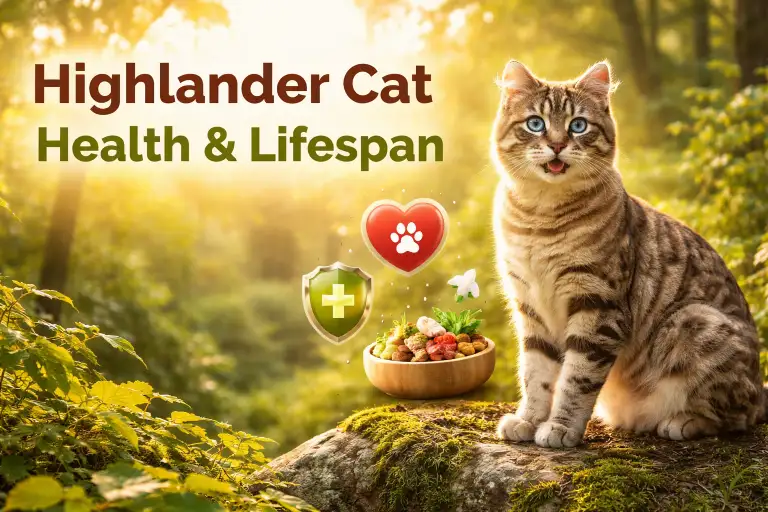
Highlander cats are known for their strong build and active nature, and many owners want to know how long they can expect to share life with one. On average, Highlander cats often live between 12 and 16 years. Some may live longer, especially when they receive good care and regular checkups. Like most cats, their lifespan is not fixed and can change from cat to cat.
Recommended Dog Care Products
Based on your dog’s age, these products may help with comfort, health, grooming, and daily care.

Purina Pro Plan Veterinary Supplements
Daily probiotics for dogs to support digestive and gut health.
View on Amazon ↗
Earth Rated Poop Bags for Dogs
Leak-proof, extra thick waste bag refill rolls with lavender scent.
View on Amazon ↗
Greenies Pill Pockets for Dogs
Large dog treats for capsule medication, peanut butter flavor.
View on Amazon ↗
HONEY CARE All-Absorb Dog Wrap
Small male dog wraps, 50 count, useful for daily care support.
View on Amazon ↗
Seresto Flea & Tick Collar
Flea and tick treatment and prevention for dogs over 18 lbs.
View on Amazon ↗
Milk-Bone MaroSnacks
Small dog treats with real bone marrow in a 40 oz canister.
View on Amazon ↗
Vital Essentials Dog Treats
Freeze dried beef liver dog treats, grain free and single ingredient.
View on Amazon ↗
Stain & Odor Eliminator
Enzyme cleaner for pet stains, carpet messes, and strong odors.
View on Amazon ↗
Pur Luv Chicken Jerky Treats
Dog treats made with real chicken breast, high protein and chew-friendly.
View on Amazon ↗
Milk-Bone Flavor Snacks
Mini crunchy dog biscuits in a 36 oz canister for small rewards.
View on Amazon ↗As an Amazon Associate, we may earn from qualifying purchases.
Where and how a Highlander lives plays a big role in lifespan. Cats that live indoors only are usually safer from accidents, fights, and some diseases. Because of this, indoor Highlander cats often live longer than those that spend a lot of time outdoors. Outdoor risks can shorten life, even for otherwise healthy cats.
Genetics also matter. Highlander cats that come from responsible breeders are more likely to have fewer inherited health concerns. This does not mean problems cannot happen, but it does mean the odds are often better. Good early care sets a strong base for long life.
Daily care adds up over time. Proper food, play, mental stimulation, and routine vet visits all support a longer and healthier life. Small choices made every day often matter more than one big decision.
| Lifestyle | Common Lifespan Range | Why It Matters |
|---|---|---|
| Indoor only | 14–16 years | Fewer accidents and infections |
| Indoor with supervised outdoor time | 13–15 years | Balanced safety and enrichment |
| Mostly outdoor | 10–13 years | Higher risk from injury and illness |
Are Highlander Cats Healthy? An Overview
Many people ask if Highlander cats are a healthy breed. In general, Highlanders are considered fairly healthy cats. They are not known for having many extreme or rare health problems when bred responsibly. Like all cats, they can still develop common feline health issues over time.
It is important to understand the difference between “possible” and “common” health issues. Some problems may be seen in the breed, but that does not mean every Highlander will have them. Most Highlander cats live normal lives without major health trouble.
Responsible breeding plays a big role in overall health. Breeders who focus on health, not just looks, help lower risks. This is why knowing where a cat comes from can be helpful, especially for first-time owners.
Healthy does not mean problem-free. All cats need care, attention, and regular vet visits. Highlander cats are no different. When owners stay aware and observant, small issues can often be noticed early.
Common Health Issues in Highlander Cats (High-Level)
This section gives a general overview, not a diagnosis. Highlander cats can experience some health concerns that are also seen in many other cats. Knowing about them helps owners stay alert, not fearful.
Joint and movement concerns may appear because Highlanders are medium to large cats. Extra weight can add strain over time. Keeping a healthy body weight is helpful for long-term comfort.
Recommended Dog Care Products
Based on your dog’s age, these products may help with comfort, health, grooming, and daily care.
Purina Pro Plan Veterinary Supplements
Daily probiotics for dogs to support digestive and gut health.
View on Amazon ↗
Earth Rated Poop Bags for Dogs
Leak-proof, extra thick waste bag refill rolls with lavender scent.
View on Amazon ↗
Greenies Pill Pockets for Dogs
Large dog treats for capsule medication, peanut butter flavor.
View on Amazon ↗
HONEY CARE All-Absorb Dog Wrap
Small male dog wraps, 50 count, useful for daily care support.
View on Amazon ↗
Seresto Flea & Tick Collar
Flea and tick treatment and prevention for dogs over 18 lbs.
View on Amazon ↗
Milk-Bone MaroSnacks
Small dog treats with real bone marrow in a 40 oz canister.
View on Amazon ↗
Vital Essentials Dog Treats
Freeze dried beef liver dog treats, grain free and single ingredient.
View on Amazon ↗
Stain & Odor Eliminator
Enzyme cleaner for pet stains, carpet messes, and strong odors.
View on Amazon ↗
Pur Luv Chicken Jerky Treats
Dog treats made with real chicken breast, high protein and chew-friendly.
View on Amazon ↗
Milk-Bone Flavor Snacks
Mini crunchy dog biscuits in a 36 oz canister for small rewards.
View on Amazon ↗As an Amazon Associate, we may earn from qualifying purchases.
Ear health can also matter. Highlander cats often have unique ear shapes, which means owners should watch for dirt, redness, or irritation. Regular checks help spot changes early.
Dental health is another common issue across all cat breeds. Tartar buildup and gum problems can affect eating and comfort. Many dental problems start quietly, which is why routine checks are important.
| Health Area | Why It Can Matter | Early Things Owners May Notice |
|---|---|---|
| Joints and movement | Larger size can add stress | Less jumping or slower movement |
| Ears | Shape may trap debris | Head shaking or scratching |
| Teeth and gums | Dental disease is common in cats | Bad breath or chewing changes |
| Weight | Extra weight affects many systems | Gradual weight gain or low energy |
Preventive Care & Early Warning Signs
Preventive care is one of the best tools owners have. Regular vet visits help track weight, teeth, and overall health. These visits are not only for sick cats. They help spot small changes early.
At home, owners can watch daily habits. Eating, drinking, playing, and litter box use all give clues about health. Changes do not always mean something serious, but they are worth noticing.
Early warning signs are often subtle. A cat may sleep more, groom less, or act differently. These changes are easy to miss, especially when they happen slowly. Paying attention helps owners act sooner.
Preventive care is about partnership. Owners observe at home, and vets help guide care. Together, this supports long-term health without guesswork or panic.
| Life Stage | Preventive Focus | Owner Role |
|---|---|---|
| Kitten | Growth and development | Track eating and energy |
| Adult | Weight and dental health | Watch habits and behavior |
| Senior | Comfort and mobility | Notice small daily changes |
Supporting a Long, Healthy Life for a Highlander Cat
A long life is not only about years, but also about comfort and happiness. Daily routines help Highlander cats feel secure. Regular play keeps muscles strong and minds active.
Food choices matter, but balance matters more. Avoiding overfeeding helps protect joints and organs. Activity and play help manage weight in a natural way.
Indoor living often supports longer life. It reduces stress from threats and keeps cats safer. Enrichment like climbing spaces, toys, and human interaction keeps indoor cats engaged.
As Highlander cats age, their needs may change. Slower movement or longer naps can be normal. The goal is comfort, not perfection. Gentle care and attention support quality of life at every stage.
Recommended Dog Care Products
Based on your dog’s age, these products may help with comfort, health, grooming, and daily care.
Purina Pro Plan Veterinary Supplements
Daily probiotics for dogs to support digestive and gut health.
View on Amazon ↗
Earth Rated Poop Bags for Dogs
Leak-proof, extra thick waste bag refill rolls with lavender scent.
View on Amazon ↗
Greenies Pill Pockets for Dogs
Large dog treats for capsule medication, peanut butter flavor.
View on Amazon ↗
HONEY CARE All-Absorb Dog Wrap
Small male dog wraps, 50 count, useful for daily care support.
View on Amazon ↗
Seresto Flea & Tick Collar
Flea and tick treatment and prevention for dogs over 18 lbs.
View on Amazon ↗
Milk-Bone MaroSnacks
Small dog treats with real bone marrow in a 40 oz canister.
View on Amazon ↗
Vital Essentials Dog Treats
Freeze dried beef liver dog treats, grain free and single ingredient.
View on Amazon ↗
Stain & Odor Eliminator
Enzyme cleaner for pet stains, carpet messes, and strong odors.
View on Amazon ↗
Pur Luv Chicken Jerky Treats
Dog treats made with real chicken breast, high protein and chew-friendly.
View on Amazon ↗
Milk-Bone Flavor Snacks
Mini crunchy dog biscuits in a 36 oz canister for small rewards.
View on Amazon ↗As an Amazon Associate, we may earn from qualifying purchases.
| Lifestyle Factor | How It Helps | Simple Owner Action |
|---|---|---|
| Balanced diet | Supports body systems | Measure meals |
| Regular play | Keeps joints active | Short daily playtime |
| Low-stress home | Supports mental health | Quiet rest areas |
| Routine vet care | Early detection | Keep scheduled visits |
For more general feline health guidance, you can visit the American Association of Feline Practitioners: https://catvets.com

Ata Ur Rehman is the founder of Pet Age in Human Years Calculator, an educational platform that provides age conversion charts and lifespan guides for dogs, cats, birds, and other companion animals. His work focuses on helping pet owners understand how animal ages translate into human years using commonly accepted age conversion formulas and published lifespan averages.
The website compiles breed and species lifespan data from kennel clubs, breed organizations, and general animal lifespan studies to present simple and easy-to-understand guides for pet owners worldwide.
This website was created to centralize animal age conversion charts into one easy reference platform for pet owners.