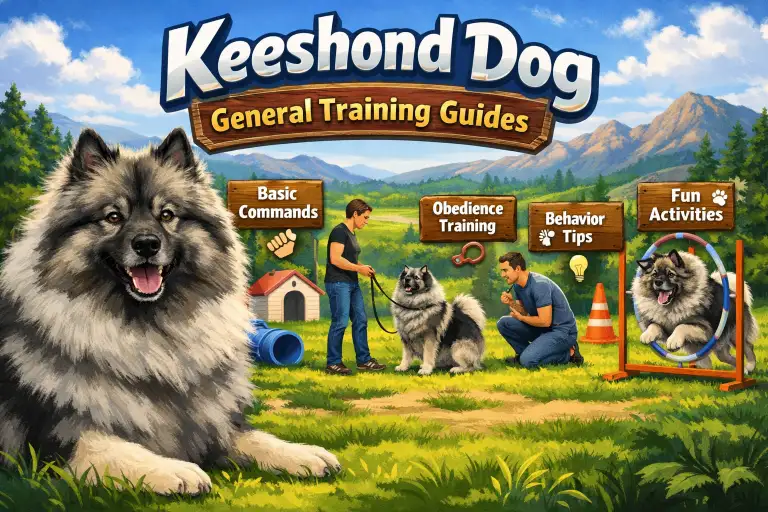
Keeshonds are intelligent, people-oriented dogs with a strong desire to be involved in everything their owners do. This combination makes them highly trainable—but also emotionally sensitive. A training approach that works well for more independent or pressure-tolerant breeds can easily backfire with a Keeshond, leading to stress, avoidance, or excessive vocal behavior.
This guide is designed to help you train a Keeshond successfully by working with the breed’s natural temperament rather than against it. It focuses on clear communication, positive reinforcement, and realistic expectations, whether you’re raising a Keeshond puppy, adopting an adult dog, or refining training with an already well-mannered companion.
Keeshonds thrive on structure, consistency, and human interaction. When training is calm, predictable, and rewarding, they learn quickly and retain behaviors well. When it’s rushed, harsh, or inconsistent, they can become anxious, vocal, or seemingly “stubborn.” Understanding this difference is the foundation for everything that follows in this guide.
By the end of this article, you’ll have a practical training framework tailored specifically to Keeshonds—covering daily training routines, common behavior challenges, and clear indicators of when professional help may be needed
Understanding the Keeshond Temperament and Training Needs
Keeshonds are friendly, alert, and very attached to their people. They were bred to stay close to their families and watch their surroundings, which explains why many Keeshonds follow their owners from room to room and bark at new sounds. These traits are normal for the breed, but they strongly affect how training should be done.
This breed is very sensitive to tone of voice and body language. Yelling, harsh corrections, or rough handling can quickly shut a Keeshond down. Instead of learning faster, they may become nervous, avoid training, or bark more. Calm voices, clear signals, and rewards work far better and build trust at the same time.
Keeshonds are smart, but they are not robots. If a command is unclear or training moves too fast, they may hesitate or stop responding. This is often mistaken for stubbornness. In most cases, the dog is confused, overstimulated, or unsure what earns a reward. Slowing down and breaking training into small steps usually fixes the problem.
They are also very social dogs. Long periods alone can lead to barking, whining, or anxiety-related behavior. Training should include teaching independence in short, safe steps, especially for puppies and newly adopted adults.
The table below shows how common Keeshond traits affect training and what approach works best.
| Keeshond Trait | What Often Goes Wrong | Training Approach That Works |
|---|---|---|
| Very people-focused | Dog becomes anxious when alone | Teach short alone-time early and reward calm behavior |
| Sensitive to tone | Yelling causes fear or shutdown | Use calm voice and gentle guidance |
| Alert and vocal | Excessive barking develops | Reward quiet behavior and manage triggers |
| Intelligent but cautious | Dog appears “stubborn” | Break tasks into smaller steps |
| Social and friendly | Overexcitement around people | Practice calm greetings and impulse control |
Understanding these traits helps you choose the right training method and avoid common mistakes that slow progress or create new problems.
Step-by-Step Keeshond Training Method
Training a Keeshond works best when it is simple, calm, and done every day in short sessions. This breed learns fast, but only when training feels safe and clear. Long or stressful sessions usually lead to frustration for both the dog and the owner.
Start training in a quiet space with few distractions. As your Keeshond improves, slowly practice in new places like the yard or during short walks. Always reward good behavior right away so your dog understands what action earned the treat or praise.
Keep sessions short and positive. Ending training while your dog is still interested helps them stay excited for the next session.
The table below shows how to set up training sessions based on your dog’s age.
| Dog Age | Session Length | Sessions Per Day | Best Rewards | Environment Tips |
|---|---|---|---|---|
| Puppy (8–16 weeks) | 3–5 minutes | 3–5 | Soft treats, praise | Quiet room, no guests |
| Puppy (4–6 months) | 5–8 minutes | 2–4 | Treats, toys | Light distractions |
| Adult Keeshond | 8–12 minutes | 1–2 | Treats, praise | Indoors, then outdoors |
| Rescue / Anxious Dog | 3–6 minutes | 2–3 | High-value treats | Calm, familiar space |
Focus first on basic skills like sit, stay, come, walking calmly on a leash, and being comfortable alone for short periods. These skills build confidence and prevent future behavior problems.
. The table below shows a general training timeline to help set realistic expectations.
| Training Time | What You May Notice | What to Do |
|---|---|---|
| Week 1–2 | Dog learning basics, easily distracted | Keep sessions short and rewarding |
| Week 3–4 | Better focus, faster response | Practice in new locations |
| Week 5–8 | Skills becoming habits | Reduce treats slowly, add praise |
| Ongoing | Occasional setbacks | Stay consistent and patient |
If your Keeshond seems distracted or stops responding, take a break instead of pushing harder. Training should always feel safe and rewarding for them.
Common Keeshond Training Problems and How to Fix Them
Many Keeshond behavior problems come from fear, boredom, or unclear training—not from bad behavior. When you understand the reason behind the problem, fixing it becomes much easier.
Barking is one of the most common concerns. Keeshonds are alert dogs and will bark to warn you. Problems start when barking becomes nonstop. Punishing barking often makes it worse. Teaching a calm “quiet” moment and rewarding silence works better.
Another common issue is separation anxiety. Because Keeshonds love being close to their people, some struggle when left alone. This can lead to whining, pacing, or destructive behavior. Teaching short alone times and rewarding calm behavior helps build confidence.
Some owners think their Keeshond is stubborn. In most cases, the dog is confused, overstimulated, or tired. Slowing down training and using clearer rewards usually solves this issue.
The table below shows common problems, why they happen, and what helps fix them.
| Problem | Why It Happens | What Helps |
|---|---|---|
| Excessive barking | Alert nature, boredom, anxiety | Reward quiet moments, add mental exercise |
| Separation anxiety | Strong attachment to owners | Practice short alone times, stay calm |
| Poor focus outdoors | Too many distractions | Train in quiet places first |
| “Stubborn” behavior | Confusion or stress | Break tasks into smaller steps |
| Jumping on people | Overexcitement | Reward calm greetings |
Avoid yelling or punishment when problems appear. These methods often increase fear and slow learning. Calm, steady training brings better results over time.
When to Seek Professional Training Help for a Keeshond
Most Keeshonds can be trained at home with patience, clear steps, and positive rewards. However, some problems need extra help. Getting support early can prevent small issues from turning into long-term behavior problems.
If your Keeshond shows fear that does not improve after a few weeks of calm training, professional guidance is important. This includes hiding, shaking, snapping, or refusing to engage. These signs often mean the dog is stressed or overwhelmed.
Aggressive behavior is another reason to seek help right away. Growling, biting, or lunging should never be ignored, even if it happens only sometimes. A trained professional can identify the cause and create a safe plan.
Ongoing separation anxiety that leads to destruction, nonstop barking, or attempts to escape also needs expert support. These behaviors can harm the dog and increase stress in the home.
The table below shows signs that professional help is needed and who to contact.
| Behavior Sign | How Long It Lasts | Risk Level | Who Can Help |
|---|---|---|---|
| Fear or panic during training | More than 3–4 weeks | Medium | Certified dog trainer |
| Aggression or biting | Any length of time | High | Veterinary behaviorist |
| Severe separation anxiety | Ongoing | High | Trainer with anxiety experience |
| No progress despite consistency | 6–8 weeks | Medium | Professional trainer |
Choosing a trainer who uses positive, reward-based methods is especially important for sensitive breeds like the Keeshond.
For more breed-specific background and care information, you can also review the Keeshond breed overview provided by the American Kennel Club (AKC): https://www.akc.org/dog-breeds/keeshond/

Ata Ur Rehman is the founder of Pet Age in Human Years Calculator, an educational platform that provides age conversion charts and lifespan guides for dogs, cats, birds, and other companion animals. His work focuses on helping pet owners understand how animal ages translate into human years using commonly accepted age conversion formulas and published lifespan averages.
The website compiles breed and species lifespan data from kennel clubs, breed organizations, and general animal lifespan studies to present simple and easy-to-understand guides for pet owners worldwide.
This website was created to centralize animal age conversion charts into one easy reference platform for pet owners.