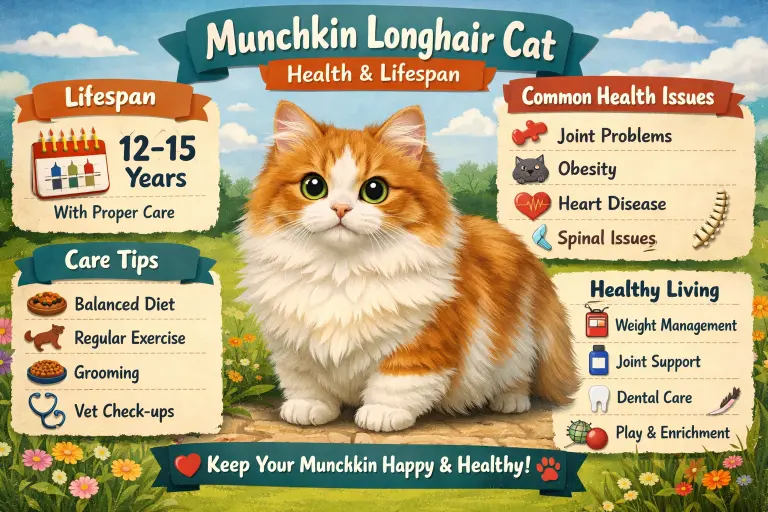
Munchkin Longhairs are a unique breed known for their short legs and long, flowing coats. While their appearance is often what first catches people’s attention, their personality is just as special. These cats are generally playful, curious, and friendly, but each cat has its own distinct temperament. Understanding their personality helps owners give them a happy and fulfilling life.
Personality in Munchkin Longhairs is shaped by both genetics and environment. Some cats may be naturally more outgoing, while others prefer a quiet, relaxed space. Early socialization, positive experiences with humans, and exposure to other pets can make a big difference in how confident and comfortable a cat feels as it grows.
Unlike some breeds that lean toward being very independent or distant, many Munchkin Longhairs enjoy interaction with humans. They may follow you around the house, enjoy sitting near you, or seek attention in playful ways. However, they also appreciate quiet alone time and a safe space to retreat when they want it, reflecting a healthy balance of attachment and independence.
It is important to remember that personality is not fixed. A young kitten’s behavior may change as it matures, and adult Munchkin Longhairs can develop new habits or interests over time. Observing your cat, respecting their preferences, and providing a supportive environment will help bring out the best in their personality.
Key Personality & Behavior Traits
Munchkin Longhairs are generally known for being playful and energetic. Their short legs do not stop them from exploring or running around the house. They enjoy toys, climbing, and interactive games that stimulate their natural curiosity. Many owners notice that these cats can switch from calm lounging to sudden bursts of playful energy, often called “zoomies.”
Affection styles vary from cat to cat. Some Munchkin Longhairs love being lap cats and enjoy cuddling, while others prefer to stay near you without being picked up. Understanding and respecting how your cat shows love helps strengthen the bond between you. Many Munchkin Longhairs show their affection by rubbing against your legs, sitting nearby, or softly meowing for attention.
Their curiosity often leads them to explore every corner of the home. Short legs may limit high jumps, but they compensate by climbing furniture or finding creative ways to reach a favorite spot. They are intelligent cats who enjoy interactive toys, puzzle feeders, and games that challenge their mind.
Munchkin Longhairs are also known for their quirky personalities. Some may have unique habits like carrying toys around, watching birds at the window for hours, or reacting dramatically to new sounds. These behaviors are part of what makes each cat distinct and enjoyable to watch.
Personality Trait Summary Table
| Trait | Typical Behavior | How It Shows |
|---|---|---|
| Playfulness | Active bursts of energy | Zoomies, chasing toys |
| Affection | Loves attention or proximity | Sitting nearby, gentle rubbing |
| Curiosity | Explores and investigates | Climbing, checking new objects |
| Independence | Enjoys alone time | Retreats to quiet spots when needed |
| Quirky Habits | Unique routines | Carrying toys, bird-watching |
Communication & Body Language
Munchkin Longhairs communicate a lot through their body language. Watching their tail, ears, and posture can tell you what they are feeling. A tail held high often means confidence or happiness, while a tucked tail may indicate shyness or caution. Ears that swivel or flatten can show curiosity, alertness, or discomfort depending on the context.
Facial expressions also matter. Wide eyes often show excitement or interest, while slow blinking is a sign of trust and comfort. Whisker position can indicate focus or relaxation; forward whiskers mean they are alert, while relaxed whiskers show they are calm. Paying attention to these subtle cues helps owners respond appropriately.
Vocalizations are another way Munchkin Longhairs communicate. They may meow, chirp, trill, or purr to express needs or emotions. Short, soft meows often signal greeting or attention-seeking, while a long purr usually shows contentment. Every cat has its unique sounds, and learning what your Munchkin Longhair’s specific meows mean is part of building a strong bond.
Understanding these signals helps prevent misunderstandings. For example, what looks like stubbornness may simply be a cat signaling discomfort, curiosity, or a desire for attention. Observing, learning, and respecting their communication style makes living together enjoyable for both owner and cat.
Body Language & Vocalization Table
| Signal | Meaning | Owner Tip |
|---|---|---|
| Tail up | Confidence/happiness | Offer attention or play |
| Tail tucked | Shyness/caution | Give space |
| Slow blink | Trust/comfort | Blink back slowly to bond |
| Purr | Contentment | Gentle petting encouraged |
| Chirp or trill | Excitement or greeting | Engage in play or talk back |
Social Behavior With People & Pets
Munchkin Longhairs often enjoy being around humans, but each cat has its preferred way of interacting. Some are lap cats, while others like to be near you without being held. They may follow you around the house, watch your activities, or softly meow for attention. Understanding these preferences is important for a happy relationship.
They are usually good with children if socialized early. Their playful nature means they enjoy gentle games, but it’s important to teach kids to respect the cat’s boundaries. Munchkin Longhairs can also live peacefully with other cats and dogs, especially if introductions are gradual and supervised.
Play styles are important to observe. Short legs don’t limit their hunting instincts—they may chase toys, pounce, or bat at objects on the floor. Providing interactive play sessions helps them stay active and mentally stimulated while preventing boredom-related behaviors.
Each cat is unique, so observing interactions is key. A shy Munchkin Longhair may prefer watching other pets from a safe distance before joining in, while a confident one may quickly integrate into play. Respecting each cat’s pace helps prevent stress and builds positive relationships.
Social Behavior Table
| Interaction | Behavior | Owner Tip |
|---|---|---|
| With humans | Follow, rub, sit nearby | Respect lap or proximity preferences |
| With children | Gentle play | Supervise and teach gentle handling |
| With other cats | Play or observe | Gradual introduction |
| With dogs | Watch first, then interact | Monitor body language for comfort |
| Play | Chase, pounce, bat at toys | Use interactive toys to stimulate |
Normal vs Misunderstood Behaviors
Munchkin Longhairs have behaviors that are often misunderstood. Their short legs may make them seem less active, but they are actually very playful and agile. They may prefer low jumps or creative climbing, which is normal for their body type. Understanding this prevents owners from mistakenly thinking the cat is lazy or unfit.
Vocal behavior is another area of confusion. Some Munchkin Longhairs are chatty, while others are quiet. A vocal cat is not necessarily demanding; it may be expressing curiosity, greeting, or excitement. Observing the context helps interpret what they are trying to communicate.
Night activity is normal for many cats, including Munchkin Longhairs. They may be more active in the evenings, exploring or playing. Providing evening play sessions can help them use their energy while respecting your sleep schedule.
Finally, quirks like carrying toys, watching birds, or sudden bursts of energy are normal personality traits. These behaviors make them unique and enjoyable to watch. Accepting and appreciating these behaviors leads to a happier life for both cat and owner.For more insights on cat behavior and communication, visit The Cat Fanciers’ Association – Cat Behavior.

Ata Ur Rehman is the founder of Pet Age in Human Years Calculator, an educational platform that provides age conversion charts and lifespan guides for dogs, cats, birds, and other companion animals. His work focuses on helping pet owners understand how animal ages translate into human years using commonly accepted age conversion formulas and published lifespan averages.
The website compiles breed and species lifespan data from kennel clubs, breed organizations, and general animal lifespan studies to present simple and easy-to-understand guides for pet owners worldwide.
This website was created to centralize animal age conversion charts into one easy reference platform for pet owners.