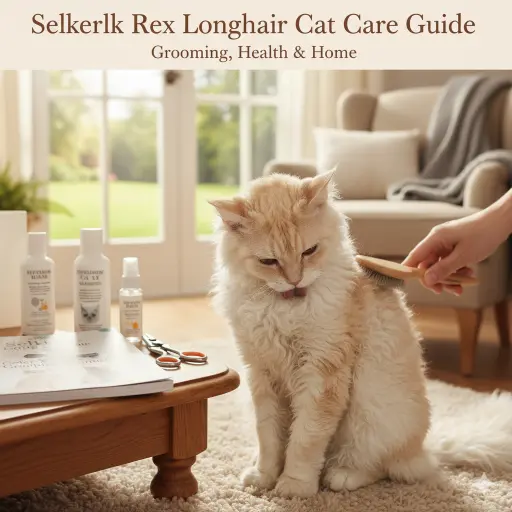
The Selkirk Rex Longhair has a coat that looks soft, fluffy, and a little wild—in a good way. What makes this cat special is its naturally curly fur, which can form loose waves or tight curls across the body, tail, and even the whiskers. Many people think curly fur means less care, but that is not fully true. This coat needs gentle and informed care to stay healthy and comfortable.
Unlike straight-haired cats, the Selkirk Rex Longhair has hair that bends and twists. This makes the coat feel plush, but it also means the fur can trap loose hair more easily. When dead hair stays stuck inside the curls, it can lead to tangles, mats, or skin irritation if not managed the right way. Owners often notice that the coat looks messy before it looks dirty, which can be confusing at first.
Another important thing to know is that Selkirk Rex coats can change with age, hormones, and seasons. Kittens may have softer or looser curls that shift as they grow. Adult cats may lose some curl density during shedding seasons. Seniors can develop thinner coats that need extra care. This is normal and not a sign of poor health by itself.
The biggest rule with this breed is gentle care over frequent care. Too much brushing, bathing, or handling can flatten curls, dry out the skin, or cause frizz. The goal is not to make the coat look perfect every day. The goal is to keep the skin healthy, prevent painful mats, and let the curls do what they naturally do.
Daily and Weekly Grooming Routine for Selkirk Rex Longhair
Daily care for a Selkirk Rex Longhair is light and simple. Most days, you only need to check the coat with your hands. Gently feel behind the ears, under the legs, around the neck, and near the tail base. These spots are where small tangles usually start. If you feel a knot forming, use your fingers first to loosen it instead of reaching for a brush right away.
Brushing should not be a daily habit for this breed. Over-brushing can pull out curls and make the coat look fuzzy instead of defined. For most adult Selkirk Rex Longhairs, one to two brushing sessions per week is enough. Use a wide-tooth comb or a soft slicker brush made for curly coats. Always brush slowly and stop if your cat shows signs of stress.
Weekly grooming is also a good time to check ears, eyes, and nails. Long fur around the ears can trap wax or dirt. Wipe gently with a damp cotton pad if needed. Nails should be trimmed every one to two weeks, especially for indoor cats, to prevent snagging on the coat during scratching.
Grooming should always feel calm. Many Selkirk Rex cats are relaxed and people-friendly, but they still need breaks. Short grooming sessions work better than long ones. If your cat walks away, that is a signal to stop and try again later.
Grooming frequency and tools
| Grooming Task | How Often | Tool or Method | Notes |
|---|---|---|---|
| Coat check | Daily | Hands | Focus on high-friction areas |
| Brushing | 1–2 times weekly | Wide-tooth comb | Avoid pulling curls |
| Nail trimming | Every 1–2 weeks | Cat nail clippers | Prevent coat snagging |
| Ear check | Weekly | Damp cotton pad | No deep cleaning |
Bathing, Shedding, and Coat Maintenance Expectations
Selkirk Rex Longhairs do shed, but shedding often looks different than in straight-coated cats. Loose hair can stay trapped inside the curls instead of falling onto furniture. This makes shedding seem lighter at first, but it also means regular gentle grooming is important to remove trapped hair before it mats.
Bathing is not needed often. In fact, bathing too much is one of the most common mistakes owners make. A healthy Selkirk Rex Longhair usually needs a bath only every few months, or when the coat becomes greasy or dirty. Use a mild cat shampoo with no harsh scents. After bathing, gently blot the coat with a towel. Do not rub or blow-dry aggressively, as this can break curl patterns.
Some owners notice that the coat feels oily compared to other cats. This is normal for this breed. The natural oils help keep curls soft and flexible. Removing these oils too often can cause dry skin and frizz. If the coat looks slightly clumped but feels healthy, that is usually a good sign.
Seasonal changes also affect the coat. During spring and fall, shedding may increase. You may need to add one extra gentle brushing session during these times. If shedding suddenly becomes heavy or patchy, or if the skin looks red or flaky, a vet check is a good idea.
Shedding and bathing myths vs reality
| Topic | Common Myth | Reality |
|---|---|---|
| Shedding | Curly cats don’t shed | They shed, but hair stays in curls |
| Bathing | Needs frequent baths | Too many baths damage the coat |
| Oiliness | Greasy coat is bad | Natural oils protect curls |
| Drying | Blow-drying is helpful | Air-drying keeps curls intact |
Common Grooming Mistakes That Damage Selkirk Rex Coats
One of the biggest mistakes is treating this coat like a straight longhair coat. Daily brushing with fine brushes can pull out curls and irritate the skin. Many owners do this with good intentions, thinking more brushing means better care, but it often leads to a dull, frizzy coat.
Another common issue is ignoring small tangles until they become mats. Mats can form close to the skin and cause pain when pulled. Cutting mats out without care can also lead to skin injuries. Early finger-detangling is much safer and less stressful for the cat.
Using human hair products or scented sprays is also risky. Cats groom themselves and can ingest residues. Some products can cause allergic reactions or stomach upset. Always use products made specifically for cats, and only when needed.
Finally, forcing grooming sessions can damage trust. If grooming becomes a struggle, cats may resist future handling, making care harder over time. Calm, short sessions build cooperation and keep grooming stress-free.
Grooming mistakes and better choices
| Mistake | What Happens | Better Option |
|---|---|---|
| Over-brushing | Frizz and curl loss | Brush gently once or twice weekly |
| Ignoring small knots | Painful mats | Finger-detangle early |
| Frequent bathing | Dry skin | Bathe only when needed |
| Forcing grooming | Stress and fear | Short, calm sessions |
Special Grooming Considerations for Kittens, Seniors, and Multi-Cat Homes
Selkirk Rex kittens need very light grooming. Their coats are still developing, and curls may change quickly. Short, positive grooming sessions help them get used to handling. Use fingers more than tools, and focus on building trust rather than perfect coat care.
Senior Selkirk Rex cats may groom themselves less due to joint pain or lower energy. Owners should increase gentle checks and brushing for seniors. Pay close attention to the back, hips, and tail area. If grooming causes discomfort, talk to a vet about pain management options.
In multi-cat homes, coat care can be affected by social behavior. Cats may over-groom each other or avoid grooming due to stress. Make sure each cat has its own space, bedding, and scratching areas. Stress can lead to coat changes, so environment matters as much as grooming tools.
Indoor-only Selkirk Rex cats often have more stable coats, while cats with outdoor access may need extra checks for dirt, burrs, or parasites. Outdoor access increases the need for coat inspections, even if brushing frequency stays the same.
Grooming adjustments by situation
| Situation | Care Adjustment | Reason |
|---|---|---|
| Kittens | Short, gentle sessions | Build trust |
| Seniors | More frequent checks | Reduced self-grooming |
| Multi-cat homes | Monitor stress and over-grooming | Prevent coat damage |
| Outdoor access | Daily coat inspections | Catch debris early |
For additional feline grooming and coat health guidance, you can visit the International Society of Feline Medicine: https://icatcare.org

Ata Ur Rehman is the founder of Pet Age in Human Years Calculator, an educational platform that provides age conversion charts and lifespan guides for dogs, cats, birds, and other companion animals. His work focuses on helping pet owners understand how animal ages translate into human years using commonly accepted age conversion formulas and published lifespan averages.
The website compiles breed and species lifespan data from kennel clubs, breed organizations, and general animal lifespan studies to present simple and easy-to-understand guides for pet owners worldwide.
This website was created to centralize animal age conversion charts into one easy reference platform for pet owners.