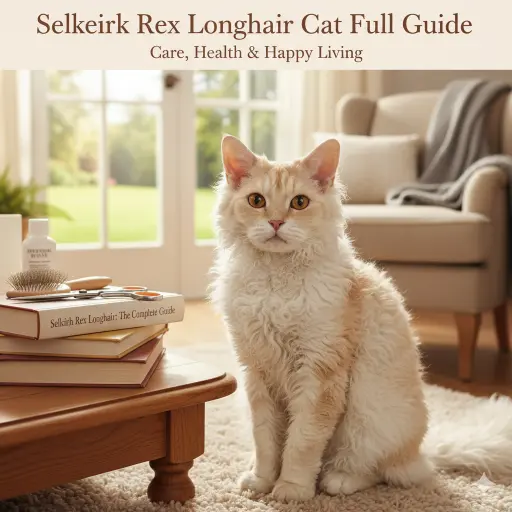
The Selkirk Rex Longhair is a rare and special cat breed known for its soft, curly fur and calm, friendly nature. Many people call this breed the “teddy bear cat” because of its round face, thick body, and plush coat. Unlike some high-energy or demanding cat breeds, the Selkirk Rex Longhair is usually relaxed, gentle, and easy to live with. This makes it a popular choice for families, apartment owners, and people who want a loving but not overly clingy cat.
This breed is different from other curly-coated cats. Its curls are full and loose, not short or tight. The longhair version looks especially fluffy and unique. When people search for this breed, they usually want to know three things: how the cat behaves, how hard the coat is to care for, and whether the breed fits their lifestyle. This guide is written to answer those questions clearly and honestly.
The Selkirk Rex Longhair is not just about looks. It has a balanced personality that mixes playfulness with calm behavior. These cats enjoy attention, but they also know how to relax on their own. They are often described as patient, sweet, and very tolerant, which is one reason they do well in homes with children or other pets.
Selkirk Rex Longhair Appearance, Size, and Coat
The Selkirk Rex Longhair is a medium to large cat with a solid, heavy body. It is not slim or delicate. Instead, it has a strong bone structure and a soft, rounded shape. Adult males usually weigh more than females, and the breed takes longer to fully grow compared to many other cats. Some Selkirk Rex Longhairs do not reach full maturity until they are around three to four years old.
The most famous feature of this breed is its curly coat. The longhair version has loose curls that cover the entire body, including the belly, tail, and neck. Even the whiskers and eyebrows may be curly. The coat feels thick and plush, not silky or flat. Because of the curls, the cat often looks bigger than it really is.
Selkirk Rex Longhairs come in almost all colors and patterns. Solid colors, tabby patterns, bi-color, and pointed patterns are all accepted. Eye color often matches the coat color, adding to the breed’s soft and gentle look. The face is round with full cheeks, and the eyes are large and expressive, giving the cat a sweet and friendly appearance.
Below is a quick table to help readers understand the physical traits of the Selkirk Rex Longhair at a glance.
| Feature | Description |
|---|---|
| Average Weight | 9–16 pounds |
| Body Type | Medium to large, cobby, heavy-boned |
| Coat Type | Long, curly, thick |
| Shedding Level | Moderate |
| Common Colors | All colors and patterns |
| Eye Shape | Large and round |
Selkirk Rex Longhair Personality and Temperament
The Selkirk Rex Longhair is known for having a gentle and easygoing personality. This breed enjoys human company but does not demand attention all the time. Many owners describe these cats as calm, loving, and patient. They like being near their people and often follow them from room to room without being noisy or pushy.
These cats are usually affectionate but not overly clingy. They may enjoy sitting next to you on the couch rather than staying on your lap for hours. Some Selkirk Rex Longhairs do become lap cats, but many prefer close contact without constant handling. This makes them a good match for people who want a calm companion instead of a very demanding cat.
Energy levels are moderate. Kittens can be playful and curious, but adults are more relaxed. They enjoy short play sessions and mental games but are also happy to nap for long periods. This breed is not known for being destructive or wild. They tend to adapt well to indoor life, apartments, and quieter homes.
Selkirk Rex Longhairs are usually good with children, especially when kids are taught to handle them gently. Their patient nature helps them stay calm during normal family activity. They also do well with other cats and friendly dogs, especially when introductions are done slowly.
The table below shows a simple overview of the breed’s personality traits.
| Trait | Level |
|---|---|
| Affection | High |
| Energy | Medium |
| Vocalization | Low to medium |
| Independence | Balanced |
| Child-Friendly | Very good |
| Multi-Pet Friendly | Very good |
These cats are not very loud. They may use soft meows or quiet sounds to communicate, but they are not known for constant talking. If a Selkirk Rex Longhair becomes very vocal, it can be a sign of boredom or loneliness.
Care, Grooming, Health, and Lifespan
The Selkirk Rex Longhair looks high-maintenance, but its care needs are moderate when done correctly. The curly coat should not be brushed too often because brushing can pull out the curls and make the fur frizzy. Most owners brush their cat once or twice a week using a wide-tooth comb. Gentle handling is important to avoid matting.
Bathing is sometimes helpful, especially if the coat becomes oily. Some Selkirk Rex cats inherit a tendency for slightly oily fur, especially around the neck and back. When bathing is needed, mild cat shampoo should be used, and the coat should be allowed to air dry to keep the curls intact.
Shedding is moderate. The curls can trap loose hair, so shedding may look less noticeable even though it still happens. Regular grooming helps reduce hair buildup and keeps the coat healthy. Nail trimming, ear cleaning, and dental care should follow normal cat care routines.
Health-wise, the Selkirk Rex Longhair is generally healthy, but it does have some breed-linked risks. Because Persians were used in the breed’s development, Polycystic Kidney Disease (PKD) can be a concern. Hypertrophic Cardiomyopathy (HCM), a heart condition, is also seen in some lines. Responsible breeders test for these issues.
Below is a clear table covering grooming, health, and lifespan.
| Category | Details |
|---|---|
| Grooming Needs | Moderate |
| Brushing | 1–2 times per week |
| Bathing | Occasional |
| Average Lifespan | 12–15 years |
| Common Health Issues | PKD, HCM, obesity risk |
| Vet Screenings | Heart and kidney checks |
Because of their calm nature and coat type, indoor-only living is strongly recommended. Indoor cats live longer, safer lives and keep their coats cleaner. With proper care, many Selkirk Rex Longhairs live well into their teens.
Cost, Pros and Cons, and Similar Breeds
The Selkirk Rex Longhair is not a cheap breed. Kitten prices usually range from moderate to high, depending on breeder quality, location, and pedigree. Show-quality kittens cost more than pet-quality ones. Ongoing costs are similar to other longhair breeds, with grooming and vet care being the main expenses.
Here is a simple table showing typical ownership costs.
| Expense Type | Estimated Cost |
|---|---|
| Kitten Price | $800–$2,000 |
| Annual Vet Care | $200–$400 |
| Grooming Supplies | $100–$200 per year |
| Insurance (optional) | $20–$40 per month |
This breed has many advantages, but it is not perfect for everyone. Below is a clear pros and cons table.
| Pros | Cons |
|---|---|
| Calm and friendly | Coat needs regular care |
| Good with kids and pets | Can be expensive |
| Unique curly coat | Health screening is important |
| Adaptable to apartments | Not very active |
People who like the Selkirk Rex Longhair may also want to compare it with similar breeds. The table below helps with that.
| Breed | Key Difference |
|---|---|
| Selkirk Rex Shorthair | Same personality, easier coat |
| Persian | More grooming, flatter face |
| British Longhair | Straight coat, less playful |
| Devon Rex | Higher energy, shorter coat |
The Selkirk Rex Longhair is ideal for people who want a loving, calm, and unique-looking cat and are willing to handle regular grooming. It may not be the best choice for someone who wants a very active or low-cost pet.
For more official breed standards and history, you can visit the Cat Fanciers’ Association (CFA) website:
https://cfa.org/selkirk-rex/

Ata Ur Rehman is the founder of Pet Age in Human Years Calculator, an educational platform that provides age conversion charts and lifespan guides for dogs, cats, birds, and other companion animals. His work focuses on helping pet owners understand how animal ages translate into human years using commonly accepted age conversion formulas and published lifespan averages.
The website compiles breed and species lifespan data from kennel clubs, breed organizations, and general animal lifespan studies to present simple and easy-to-understand guides for pet owners worldwide.
This website was created to centralize animal age conversion charts into one easy reference platform for pet owners.