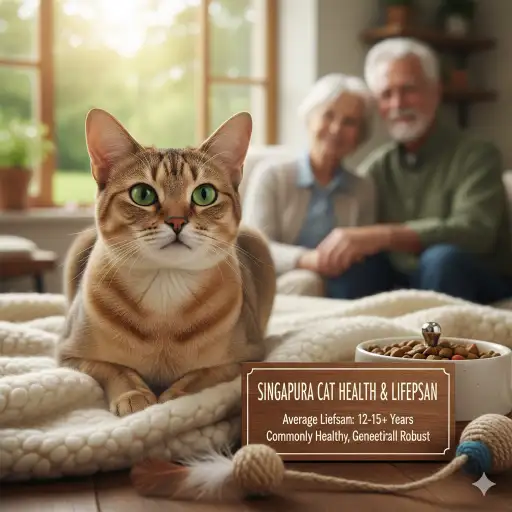
The Singapura is one of the smallest cat breeds in the world, but their life expectancy is similar to many other healthy domestic cats. On average, a Singapura cat can live between 12 to 15 years. Many indoor Singapura cats reach their mid-teens, and some even live beyond that with good care and regular veterinary visits. Like all cats, lifespan depends on many factors, including genetics, lifestyle, diet, and early health monitoring.
Indoor Singapura cats usually live longer than those who spend time outdoors. Indoor life reduces the risk of accidents, infections, parasites, and fights with other animals. Outdoor cats face more dangers such as traffic, harsh weather, and contagious diseases. While supervised outdoor time in a safe enclosure can be enriching, fully indoor living is generally linked to longer life expectancy.
It is also important to understand the difference between lifespan and healthspan. Lifespan is how long a cat lives. Healthspan is how many of those years are spent in good health. A Singapura may live 15 years, but the goal is to help them stay active, playful, and comfortable for as many of those years as possible. Preventive care plays a big role in protecting both lifespan and healthspan.
Every cat is an individual. Some Singapura cats remain energetic well into their senior years, while others may slow down earlier. Responsible breeding, proper nutrition, mental stimulation, and routine veterinary exams all support healthy aging. Genetics set the starting point, but daily care shapes the journey.
Singapura Lifespan Overview
| Living Situation | Average Lifespan Range | Common Risk Factors |
|---|---|---|
| Indoor Only | 12–16+ years | Obesity, dental disease, age-related illness |
| Indoor with Safe Outdoor Access | 12–15 years | Minor injury risk, parasite exposure |
| Mostly Outdoor | 8–12 years | Accidents, infections, predators, toxins |
Are Singapura Cats Healthy? What Owners Should Know
Singapura cats are often described as generally healthy and sturdy despite their tiny size. They are not considered a fragile breed. In fact, many owners report that their Singapura cats stay active and curious for most of their lives. However, like all purebred cats, they can be at risk for certain inherited or breed-related conditions. This does not mean every Singapura will develop health problems, but it does mean that careful breeding and regular health checks matter.
Because the Singapura breed has a smaller genetic pool compared to more common cat breeds, responsible breeding is important. Ethical breeders test their cats and avoid pairing animals with known inherited conditions. When owners choose breeders who focus on health screening, it lowers the risk of genetic issues. Adoption from a shelter can also be a wonderful choice, but early veterinary exams are still important to create a health baseline.
In general, Singapura cats are known for their high energy, strong bond with people, and playful personality. Their small size does not mean they are weak. However, because they are petite, even small weight changes can have a bigger impact on their body compared to larger cats. Keeping a close eye on weight, appetite, and activity level helps owners notice subtle shifts early.
It is helpful to think of health as a mix of genetics, environment, and daily habits. A well-balanced diet, clean water, safe indoor living, dental care, and regular vet visits all support long-term wellness. No breed is completely free of health concerns, but many Singapura cats live long and happy lives with attentive care.
Common Health Concerns at a Glance
| Type of Concern | General Description | Often Seen In | Preventive Focus |
|---|---|---|---|
| Genetic Conditions | Inherited disorders passed through breeding lines | Some bloodlines | Responsible breeding, early screening |
| Dental Disease | Gum inflammation, tartar buildup | Adult and senior cats | Dental checks, professional cleaning |
| Obesity | Excess body fat affecting organs and joints | Indoor cats | Portion control, active play |
| Kidney Changes | Gradual decline in kidney function | Senior cats | Routine bloodwork, hydration |
| Urinary Issues | Difficulty or discomfort when urinating | Adults and seniors | Monitoring litter box habits |
Common Health Issues in Singapura Cats
Like most cats, Singapura cats can develop dental disease over time. Dental problems are one of the most common health issues in all cat breeds. Tartar buildup can lead to gum inflammation and, if ignored, may affect overall health. Small breeds sometimes have tighter spacing between teeth, which can make dental hygiene especially important. Regular veterinary dental checks help catch problems early.
Obesity is another concern that can affect Singapura cats, especially those who live fully indoors. Because they are small, even a small amount of extra weight can stress their joints and organs. Weight gain can increase the risk of diabetes, joint pain, and reduced mobility. Keeping them active with daily play and feeding measured portions can support a healthy body condition.
Kidney disease is common in aging cats of all breeds. It usually develops slowly and may not show clear signs in the early stages. Increased thirst, changes in urination, and gradual weight loss can appear later. Routine blood and urine testing during senior checkups helps detect changes before symptoms become severe. Early monitoring can improve comfort and long-term management.
Urinary tract issues may also occur in adult cats. Signs can include straining in the litter box or urinating outside the box. These problems can range from mild irritation to more serious blockages. Any sudden change in bathroom habits should be evaluated by a veterinarian promptly. Male cats, in particular, can face higher risk of urinary blockage.
As Singapura cats grow older, they may develop arthritis or reduced mobility. You might notice less jumping or slower movement. Some senior cats also experience cognitive changes, such as altered sleep patterns or increased vocalization at night. These shifts are often gradual. Gentle environmental adjustments, like soft bedding and easy access to litter boxes, can support comfort.
How to Help a Singapura Cat Live a Longer, Healthier Life
Supporting a Singapura’s health starts with routine veterinary care. Most adult cats benefit from yearly checkups, while senior cats often need visits every six months. These exams allow the veterinarian to track weight, check teeth, listen to the heart, and recommend screening tests if needed. Early detection often leads to better outcomes and less stress for the cat.
Nutrition plays a big role in long-term health. Feeding a balanced, high-quality diet appropriate for the cat’s age helps maintain muscle mass and organ function. Because Singapura cats are small, portion size matters. Overfeeding can happen easily if treats are given often. Measuring food and discussing ideal weight with a veterinarian can help maintain balance.
Mental and physical activity are also important. Singapura cats are known for being playful and curious. Interactive toys, climbing spaces, and daily play sessions help prevent boredom and weight gain. Mental stimulation supports emotional health and may reduce stress-related behaviors.
Dental care should not be overlooked. Professional cleanings recommended by a veterinarian help prevent long-term problems. At home, owners can watch for signs like bad breath, drooling, or reluctance to eat dry food. Early dental attention supports overall health.
Preventive Care Checklist by Life Stage
| Life Stage | Key Focus Areas |
|---|---|
| Kitten | Vaccinations, parasite prevention, growth monitoring |
| Adult | Weight control, dental checks, yearly exams |
| Senior | Bloodwork screening, kidney monitoring, joint comfort support |
Warning Signs and When to Consult a Veterinarian
Even healthy Singapura cats can develop illness unexpectedly. Owners should watch for changes in appetite, drinking habits, or energy level. A playful cat who suddenly becomes quiet or withdrawn may need evaluation. Subtle changes often appear before more serious signs.
Weight loss without a diet change should always be taken seriously. Because Singapura cats are small, even slight weight loss can be noticeable. Increased thirst or urination may signal underlying problems that require veterinary testing. Persistent vomiting or diarrhea lasting more than a day or two also deserves attention.
Difficulty urinating is considered urgent. Straining in the litter box, crying while urinating, or repeated attempts with little output require immediate veterinary care. Urinary blockages can become life-threatening quickly, especially in male cats.
Regular observation at home is one of the most powerful tools owners have. You know your cat’s normal behavior better than anyone. If something feels different, it is reasonable to seek professional advice. This guide is educational and does not replace direct veterinary care.
For more general feline health guidance, you can visit the American Association of Feline Practitioners at https://catvets.com for trusted educational resources.

Ata Ur Rehman is the founder of Pet Age in Human Years Calculator, an educational platform that provides age conversion charts and lifespan guides for dogs, cats, birds, and other companion animals. His work focuses on helping pet owners understand how animal ages translate into human years using commonly accepted age conversion formulas and published lifespan averages.
The website compiles breed and species lifespan data from kennel clubs, breed organizations, and general animal lifespan studies to present simple and easy-to-understand guides for pet owners worldwide.
This website was created to centralize animal age conversion charts into one easy reference platform for pet owners.