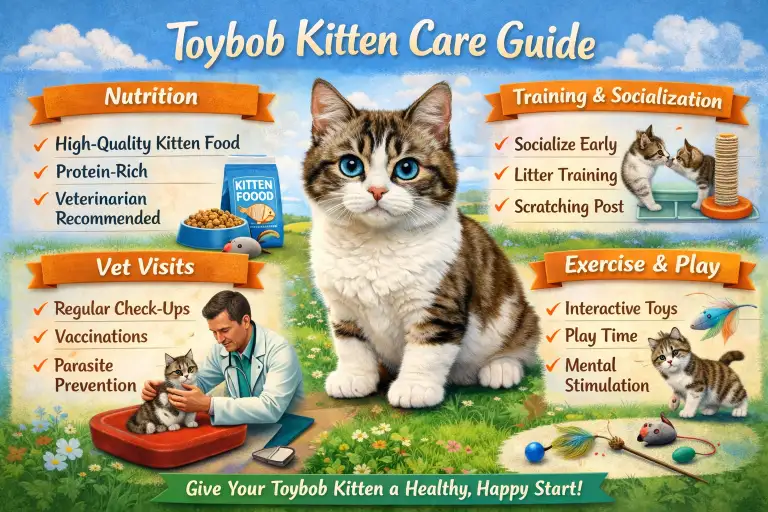
Welcoming a Toybob kitten into your home is an exciting experience, but being prepared can make the transition smooth and enjoyable for both you and your kitten. Toybobs are tiny, affectionate, and playful cats with unique needs that differ slightly from standard kittens. Understanding what to expect in their first weeks and setting up a safe, comfortable environment is key to helping your kitten feel secure and loved.
Toybobs are known for their small size, short coat, and lively personality. They grow quickly, learn fast, and love exploring their surroundings. Because of their tiny frame, they are especially sensitive to temperature, high places, and rough handling, so preparation is essential.
Before bringing your Toybob kitten home, make sure you have all the basic supplies and a kitten-safe environment. Below is a handy checklist to help you get started:
| Item | Purpose | Notes |
|---|---|---|
| Litter box | Bathroom training | Choose a small box with low sides for easy access |
| Bed | Safe sleep | Soft, warm, low-height bed to suit tiny paws |
| Food & water bowls | Feeding | Shallow and stable bowls prevent spills |
| Toys | Play & enrichment | Small, safe toys encourage exercise and mental stimulation |
| Scratching post | Nail health | Low-height posts suitable for a Toybob’s size |
Set up a quiet, secure area where your kitten can eat, sleep, and play safely. Remove any small objects, cords, or areas where a tiny kitten could get stuck. This “welcome zone” helps your Toybob adjust gradually and reduces stress during their first few days.
Once the basics are in place, you can focus on building routines for feeding, litter training, play, and bonding. Starting with a well-prepared environment sets the stage for a happy, confident, and healthy Toybob kitten.
Feeding & Nutrition for Toybob Kittens
Feeding your Toybob kitten the right way is very important. Because Toybobs are very small, they need frequent small meals. Their tiny tummies can only hold a little food at a time, so offering the right portions at the right times helps them grow strong and healthy.
Young kittens may start with kitten formula if they are under four weeks old. After that, you can gradually wean them onto wet or dry kitten food. Always make sure the food is made for kittens, as they need more calories and nutrients than adult cats.
Here is a simple feeding guide for Toybob kittens by age:
| Age | Type of Food | Frequency | Portion Notes |
|---|---|---|---|
| 0–4 weeks | Kitten formula | Every 2–3 hours | Small bottle feeds, warm milk |
| 4–8 weeks | Gradual weaning to wet food | 4–5 times a day | Mix formula and wet food to help transition |
| 8–12 weeks | Wet + dry kitten food | 4 times a day | Small portions, monitor appetite |
| 12+ weeks | Wet + dry kitten food | 3–4 times a day | Adjust portion according to weight and growth |
Tips for feeding your Toybob kitten:
- Always have fresh water available.
- Feed in a quiet, calm area so the kitten can focus on eating.
- Avoid giving human food or adult cat food, which may upset their tummy.
- Watch your kitten’s weight and appetite. Small changes are normal, but consistent eating is important.
Feeding your Toybob kitten on a schedule helps them feel safe and builds a routine. Pair meal times with gentle handling and play afterward to encourage positive experiences with food and bonding.
Litter Training, Sleep & Daily Routines
Helping your Toybob kitten learn where to go to the bathroom and get enough rest is very important. Kittens need a lot of sleep and short play sessions to grow strong. A daily routine will make your kitten feel safe and happy.
Litter training is usually easy for Toybobs. Place a small litter box in a quiet spot and gently place the kitten inside after meals or naps. Keep the box clean and always use kitten-friendly litter. Praise your kitten softly when they use the box.
Toybobs also need many hours of sleep. They will nap several times a day, often after eating or playing. Providing a warm, quiet bed helps them rest properly.
Here is a simple daily routine you can follow for your Toybob kitten:
| Time | Activity | Notes |
|---|---|---|
| 7:00 AM | Breakfast | Wet or mixed food |
| 8:00 AM | Play | Gentle toys, short session |
| 10:00 AM | Nap | Quiet, safe bed |
| 12:00 PM | Lunch | Small portion |
| 1:00 PM | Solo play | Safe toys for independent play |
| 3:00 PM | Nap | |
| 5:00 PM | Dinner | Wet or dry food |
| 6:00 PM | Socialization | Gentle petting, handling |
| 8:00 PM | Wind-down | Quiet time before bedtime |
Tips for daily routines:
- Try to feed, play, and rest at the same times each day.
- Keep play sessions short to avoid tiring your tiny kitten.
- Give your kitten quiet time to rest and feel safe.
- Use gentle praise to encourage good habits like using the litter box or playing nicely.
Following a routine helps your Toybob kitten feel secure and understand what to expect each day. It also makes it easier for you to care for them and notice any changes in behavior or health.
Socialization, Handling & Grooming
Socializing your Toybob kitten helps them grow into a friendly and confident cat. Gentle handling, play, and exposure to different people and pets are very important during the first weeks.
Start by petting and holding your kitten gently for short periods. Encourage them to explore safely around your home. Introduce your kitten slowly to family members, other pets, and new sounds. Positive experiences now help prevent fear or shyness later.
Grooming is also important, even though Toybobs have short coats. Regular grooming keeps your kitten clean, healthy, and comfortable. You can also use grooming time to bond with your kitten and teach them to enjoy being touched.
Here is a simple grooming checklist for your Toybob kitten:
| Grooming Task | Frequency | Tips |
|---|---|---|
| Brushing coat | 1–2 times per week | Short hair, use gentle strokes |
| Nail trimming | Every 2 weeks | Use small kitten clippers carefully |
| Ear cleaning | Once a month | Only clean if there is dirt, use a soft cloth |
| Dental care | Daily or a few times per week | Use a soft kitten toothbrush |
Tips for socialization and handling:
- Always handle your kitten gently and support their tiny body.
- Keep play sessions short and safe to avoid over-excitement.
- Use treats or gentle praise to encourage positive behavior.
- Make grooming a calm and enjoyable experience so your kitten learns to trust you.
Following these steps helps your Toybob kitten feel safe, builds trust, and creates a strong bond between you and your new furry friend.
Socialization, Handling & Grooming
Socializing your Toybob kitten helps them grow into a friendly and confident cat. Gentle handling, play, and exposure to different people and pets are very important during the first weeks.
Start by petting and holding your kitten gently for short periods. Encourage them to explore safely around your home. Introduce your kitten slowly to family members, other pets, and new sounds. Positive experiences now help prevent fear or shyness later.
Grooming is also important, even though Toybobs have short coats. Regular grooming keeps your kitten clean, healthy, and comfortable. You can also use grooming time to bond with your kitten and teach them to enjoy being touched.
Here is a simple grooming checklist for your Toybob kitten:
| Grooming Task | Frequency | Tips |
|---|---|---|
| Brushing coat | 1–2 times per week | Short hair, use gentle strokes |
| Nail trimming | Every 2 weeks | Use small kitten clippers carefully |
| Ear cleaning | Once a month | Only clean if there is dirt, use a soft cloth |
| Dental care | Daily or a few times per week | Use a soft kitten toothbrush |
Tips for socialization and handling:
- Always handle your kitten gently and support their tiny body.
- Keep play sessions short and safe to avoid over-excitement.
- Use treats or gentle praise to encourage positive behavior.
- Make grooming a calm and enjoyable experience so your kitten learns to trust you.
Following these steps helps your Toybob kitten feel safe, builds trust, and creates a strong bond between you and your new furry friend.
For more detailed guidance on general kitten health and care, you can visit the American Society for the Prevention of Cruelty to Animals (ASPCA) kitten care page: https://www.aspca.org/pet-care/cat-care/kitten-care

Ata Ur Rehman is the founder of Pet Age in Human Years Calculator, an educational platform that provides age conversion charts and lifespan guides for dogs, cats, birds, and other companion animals. His work focuses on helping pet owners understand how animal ages translate into human years using commonly accepted age conversion formulas and published lifespan averages.
The website compiles breed and species lifespan data from kennel clubs, breed organizations, and general animal lifespan studies to present simple and easy-to-understand guides for pet owners worldwide.
This website was created to centralize animal age conversion charts into one easy reference platform for pet owners.