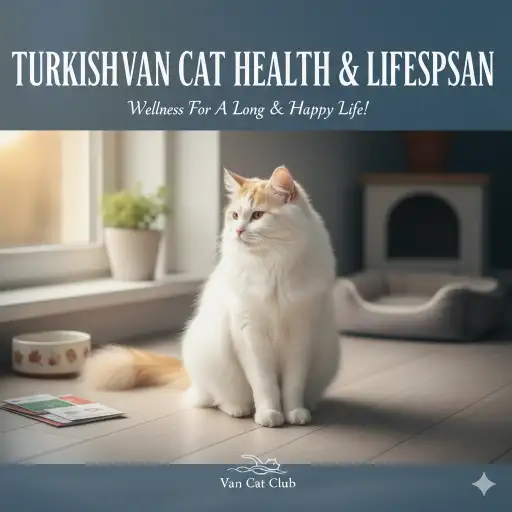
The Turkish Van is often described as a strong, athletic, and naturally developed cat. Many owners want to know one simple thing first: how long will my Turkish Van live? On average, a healthy Turkish Van can live around 12 to 17 years. Some live even longer with good care. Like all cats, lifespan depends on many factors, including diet, environment, genetics, and regular veterinary checkups.
Indoor Turkish Vans usually live longer than those allowed to roam freely outdoors. Indoor cats are protected from traffic, fights with other animals, infectious diseases, and harsh weather. Outdoor cats face more risks every day, which can shorten life expectancy. This does not mean outdoor cats cannot live long lives, but statistically, indoor living offers more protection and stability.
It also helps to understand that lifespan numbers are ranges, not promises. One Turkish Van may reach 18 years, while another may develop health challenges earlier. Just like people, cats age at different speeds. Some remain playful and energetic well into their teens, while others slow down sooner. Regular monitoring and early detection of problems can make a major difference in how long and how comfortably a cat lives.
Compared to the average domestic cat, the Turkish Van’s life expectancy is similar. They are not known as a fragile breed. In fact, they developed naturally in the Lake Van region of Turkey, which contributed to their overall sturdiness. Responsible breeding and healthy lifestyle habits remain the biggest influences on longevity.
Here is a simple lifespan comparison:
| Living Situation | Average Lifespan |
|---|---|
| Indoor Turkish Van | 14–17 years (sometimes longer) |
| Outdoor Turkish Van | 8–14 years (varies widely) |
| Average Domestic Cat | 12–16 years |
Most Turkish Vans are considered senior around 10 to 12 years of age. At this stage, health monitoring becomes even more important, even if the cat seems active and healthy.
Are Turkish Vans Healthy Cats? Common Health Issues Explained
Many people ask, “Are Turkish Vans healthy cats?” In general, yes. The Turkish Van is considered a relatively healthy and naturally developed breed. However, no cat is completely free from health risks. Some problems are related to aging, while others are linked to lifestyle.
Dental disease is one of the most common health issues in all cats, including Turkish Vans. Plaque and tartar can build up quietly over time. Early signs may include bad breath or mild gum redness. Because dental issues can progress slowly, owners sometimes miss them until the cat shows discomfort while eating.
Obesity is another concern, especially for indoor Turkish Vans. This breed is active and athletic, but if food portions are too large or exercise is limited, weight gain can happen. Extra weight increases the risk of diabetes, joint strain, and other metabolic problems. Even a few extra pounds can affect long-term health.
Kidney disease is common in aging cats of all breeds. It usually develops slowly over time. Early signs may be subtle, such as drinking more water or urinating more often. Routine veterinary exams often detect changes before clear symptoms appear. Early awareness allows better long-term management.
Urinary tract issues can also occur. Cats may strain in the litter box, urinate more frequently, or avoid the litter box altogether. These signs should never be ignored. Stress, low water intake, and diet can all play a role in urinary health.
Diabetes is less common than dental disease or obesity, but it can develop, especially in overweight cats. Increased thirst, weight loss despite normal appetite, or changes in energy levels may raise concern. Maintaining a healthy body weight is one of the most important preventive steps.
Parasites, such as fleas or intestinal worms, and preventable infectious diseases can affect cats who spend time outdoors or who are not on preventive programs. Routine veterinary care reduces these risks significantly.
Here is a quick overview:
| Health Concern | Typical Age Range | Early Signs Owners May Notice | Prevention Focus |
|---|---|---|---|
| Dental Disease | Any age (more common with age) | Bad breath, gum redness | Oral care, vet checks |
| Obesity | Adult years | Weight gain, less activity | Portion control, play |
| Kidney Disease | Senior cats | Drinking more water | Routine bloodwork |
| Urinary Issues | Any age | Straining, frequent urination | Hydration, low stress |
| Diabetes | Middle-aged to senior | Increased thirst | Healthy weight |
| Parasites | Any age | Scratching, digestive upset | Preventive car |
What Affects a Turkish Van’s Lifespan?
Genetics plays a role in every cat’s life. A Turkish Van from responsible breeders, who screen for health issues and maintain strong bloodlines, may have fewer inherited problems. However, genetics is only one piece of the puzzle.
Nutrition has a powerful impact. Feeding balanced, high-quality food in proper portions helps maintain muscle mass and prevent obesity. Overfeeding, even with premium food, can shorten lifespan if it leads to chronic weight gain. Clean water should always be available to support kidney and urinary health.
Environment also matters. Indoor cats face fewer dangers than outdoor cats. Safe indoor enrichment, such as climbing trees, puzzle toys, and daily play sessions, keeps Turkish Vans mentally and physically active. This breed is known for its energy and intelligence, so boredom can lead to stress or inactivity.
Routine veterinary care improves early detection. Regular exams allow professionals to monitor weight, dental condition, and organ function. Subtle changes in bloodwork may appear before symptoms are visible at home. Early awareness often leads to better long-term outcomes.
Stress levels can influence health as well. Major changes in the home, lack of routine, or conflict with other pets may impact appetite, grooming habits, and litter box behavior. A stable, predictable environment supports both emotional and physical well-being.
Warning Signs You Should Never Ignore
Cats are very good at hiding discomfort. This survival instinct can make early illness harder to spot. Paying attention to small changes can make a big difference.
Loss of appetite that lasts more than a day is a reason to call a veterinarian. Cats should not go long periods without eating. Sudden weight loss or rapid weight gain also deserves attention.
Straining in the litter box, crying while urinating, or not producing urine are urgent concerns. Urinary blockages can become serious quickly. If a cat visits the litter box repeatedly with little output, it should be evaluated promptly.
Persistent vomiting, diarrhea, or extreme lethargy are other signs that need professional assessment. Occasional hairballs may be normal, but repeated vomiting is not.
Breathing difficulties, open-mouth breathing, or severe weakness require immediate veterinary care.
Here is a quick reference guide:
| Symptom | General Urgency | Why It Matters |
|---|---|---|
| Not eating for 24 hours | Prompt evaluation | Risk of liver complications |
| Straining to urinate | Urgent | Possible blockage |
| Rapid weight loss | Prompt evaluation | May signal chronic disease |
| Ongoing vomiting | Prompt evaluation | Dehydration risk |
| Labored breathing | Emergency | Oxygen supply issue |
Supporting Health Through Every Life Stage
Kittens and young adults usually appear energetic and strong. This is the best time to build healthy habits. Routine vaccinations, parasite prevention, weight monitoring, and gentle dental care set the stage for a longer life.
During adult years, focus often shifts to weight control and dental monitoring. Turkish Vans are active, but indoor living can reduce daily exercise. Structured play sessions and interactive toys help maintain muscle tone and prevent boredom.
As cats enter mature years, usually around age seven to ten, routine screening becomes more important. Subtle changes in kidney values, blood sugar, or thyroid levels may appear before symptoms develop. Regular checkups support early awareness.
Senior Turkish Vans, generally over ten years old, may show slower movement, changes in sleep patterns, or mild stiffness. Providing soft bedding, easy access to litter boxes, and consistent routines improves comfort. Many senior cats continue to enjoy play and affection, even if their pace slows.
Here is a life-stage overview:
| Life Stage | What Changes | What Owners Should Monitor |
|---|---|---|
| Kitten/Young Adult | Rapid growth, high energy | Vaccines, parasites, weight |
| Adult | Stable energy | Dental care, body condition |
| Mature (7–10 yrs) | Slower metabolism | Bloodwork, subtle behavior changes |
| Senior (10+ yrs) | Mobility shifts | Kidney values, appetite, comfort |
With attentive care, balanced nutrition, safe living conditions, and routine veterinary support, many Turkish Vans enjoy long, active lives. While no guide can replace professional advice, understanding common health patterns helps owners feel more prepared and confident.
For more general feline health information, you can visit the American Veterinary Medical Association website at https://www.avma.org.

Ata Ur Rehman is the founder of Pet Age in Human Years Calculator, an educational platform that provides age conversion charts and lifespan guides for dogs, cats, birds, and other companion animals. His work focuses on helping pet owners understand how animal ages translate into human years using commonly accepted age conversion formulas and published lifespan averages.
The website compiles breed and species lifespan data from kennel clubs, breed organizations, and general animal lifespan studies to present simple and easy-to-understand guides for pet owners worldwide.
This website was created to centralize animal age conversion charts into one easy reference platform for pet owners.