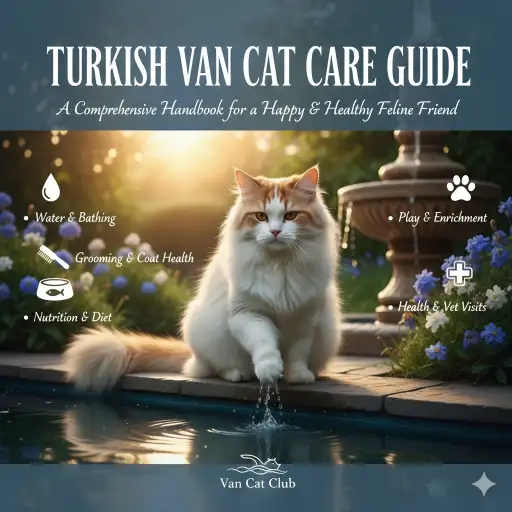
The Turkish Van is not a calm lap cat that sleeps all day. This breed is active, curious, and very smart. Many owners are surprised by how athletic these cats are. They jump high, climb shelves, and explore every corner of the house. If you are bringing one home, you need to understand that daily life with this breed is hands-on. They need space, play, and mental challenges to stay happy.
This breed developed naturally in the Lake Van region of Turkey. Because of that history, they are strong, muscular, and built for movement. Their back legs are powerful, which helps them leap to high places. You may find your cat sitting on top of doors, wardrobes, or refrigerators. Instead of stopping this behavior, it is better to give them safe climbing options like tall cat trees and wall shelves.
Turkish Vans are also known for their unusual interest in water. Not every cat will swim, but many enjoy splashing in bowls or dipping paws in sinks. This does not mean you should let them roam near open toilets or unsafe water areas. It simply means they enjoy interactive play that may involve water. A shallow tray with supervision can be safe fun.
They are loyal but independent. Many Turkish Vans bond closely with one person. They may follow that person around the home and want to “help” with daily tasks. However, they are not always cuddly on demand. They like attention on their terms. Understanding this balance helps prevent frustration for new owners. When you respect their personality, they become deeply devoted companions.
Daily and Weekly Care Essentials
Caring for a Turkish Van each day means meeting their high energy needs. They need at least 20–30 minutes of active play twice a day. Use wand toys, feather teasers, or small balls they can chase. Without daily play, they may knock things over or climb where they should not. Play helps burn energy and reduces unwanted behavior.
Grooming is easier than many people expect. Even though they have semi-long fur, their coat is soft and does not mat easily. Brush them once or twice a week. During heavy shedding seasons, usually spring and fall, you may need to brush more often. This reduces loose hair around the home and helps prevent hairballs.
You also need to trim nails every 2–3 weeks. Check ears weekly for dirt or bad smell. Brush teeth several times a week to prevent dental disease. Many owners skip dental care, but gum disease can cause pain and health problems later in life.
Below is a simple care checklist to make daily and weekly tasks easy to follow:
| Task | How Often | Why It Matters |
|---|---|---|
| Interactive Play | Twice daily | Prevents boredom and behavior issues |
| Brushing | 1–2 times weekly | Reduces shedding and hairballs |
| Nail Trimming | Every 2–3 weeks | Protects furniture and prevents nail injury |
| Ear Check | Weekly | Detects infection early |
| Tooth Brushing | 3–4 times weekly | Prevents dental disease |
| Litter Box Cleaning | Daily | Keeps cat healthy and stress-free |
Keeping a routine helps your cat feel secure. Cats love predictability. Feeding, playing, and cleaning at similar times each day reduces stress.
Nutrition and Health Maintenance
Feeding a Turkish Van the right diet supports their strong muscles and active lifestyle. Choose high-quality cat food with real animal protein as the first ingredient. Because they are active, they burn more energy than many other breeds. Still, you must measure food carefully. Overfeeding can lead to weight gain, especially if indoor exercise decreases.
Fresh water should always be available. Some Turkish Vans enjoy moving water, so a pet water fountain can encourage drinking. Good hydration supports kidney health and overall wellness.
In general, this breed is considered healthy. However, like all cats, they can develop heart disease, dental problems, or obesity. Regular vet visits once a year are important. Senior cats over age seven should see a vet twice a year. Early checks can catch problems before they become serious.
Watch for warning signs such as low energy, sudden weight loss, heavy breathing, or hiding more than usual. These are not normal changes and need medical advice. Below is a simple guide to help owners know when to act:
| Warning Sign | What It Could Mean | Action |
|---|---|---|
| Sudden tiredness | Illness or pain | Call vet within 24 hours |
| Fast breathing | Heart or lung issue | Emergency visit |
| Not eating for 24 hours | Stress or illness | Contact vet |
| Bad breath | Dental disease | Schedule dental check |
| Weight gain | Overfeeding or low activity | Adjust diet and consult vet |
Preventive care is always easier and less costly than emergency treatment. Vaccinations, parasite control, and dental care should never be ignored.
Environmental Enrichment and Behavior
Turkish Vans need a stimulating home. A small, empty room will not satisfy them. They need vertical space like cat trees, shelves, and window perches. Looking outside provides mental stimulation. Watching birds and people can keep them entertained for hours.
Rotate toys every week. If toys stay out all the time, the cat may lose interest. Hide some toys and bring them back later to make them feel new again. Puzzle feeders are excellent for this breed. They enjoy solving problems to get food.
Because they are bold and confident, they may try to escape outdoors. Always secure windows and doors. If you want outdoor time, consider a harness with proper training or a safe enclosed catio. Free roaming is risky due to cars, diseases, and fights with other animals.
In multi-cat homes, introduce them slowly. Turkish Vans are playful but can be dominant. Provide multiple litter boxes, food bowls, and resting spots. This reduces competition and stress.
Life Stage and Special Care Considerations
Turkish Van kittens are extremely energetic. They climb, jump, and explore constantly. Kitten-proof your home by removing breakable objects and blocking small spaces. Socialize them gently with people and sounds so they grow into confident adults.
Adult Turkish Vans need structured play and balanced feeding. This is when obesity can start if activity decreases. Keep exercise consistent. Adults often become more loyal and form strong bonds with one family member.
Senior Turkish Vans may slow down but still enjoy light play. Provide easier access to high places with steps or ramps. Watch for joint stiffness or changes in behavior. Older cats hide pain well, so small changes matter.
Below is a life stage comparison guide:
| Life Stage | Main Focus | Care Priority |
|---|---|---|
| Kitten (0–12 months) | Growth & social skills | Safe play, vaccines, socialization |
| Adult (1–7 years) | Activity & weight control | Daily exercise, portion control |
| Senior (7+ years) | Comfort & health checks | Joint support, twice-yearly vet visits |
Indoor living is safest for all ages. If outdoor access is allowed, it must be secure. Monitor older cats closely for health changes.
A Turkish Van is not a low-effort pet. They need time, space, and attention. But for active families who enjoy playful and smart cats, they are wonderful companions. When you meet their physical and emotional needs, they reward you with loyalty and entertaining behavior.
For more detailed breed health information, you can visit the Cat Fanciers’ Association page on the Turkish Van: https://cfa.org/turkish-van/

Ata Ur Rehman is the founder of Pet Age in Human Years Calculator, an educational platform that provides age conversion charts and lifespan guides for dogs, cats, birds, and other companion animals. His work focuses on helping pet owners understand how animal ages translate into human years using commonly accepted age conversion formulas and published lifespan averages.
The website compiles breed and species lifespan data from kennel clubs, breed organizations, and general animal lifespan studies to present simple and easy-to-understand guides for pet owners worldwide.
This website was created to centralize animal age conversion charts into one easy reference platform for pet owners.