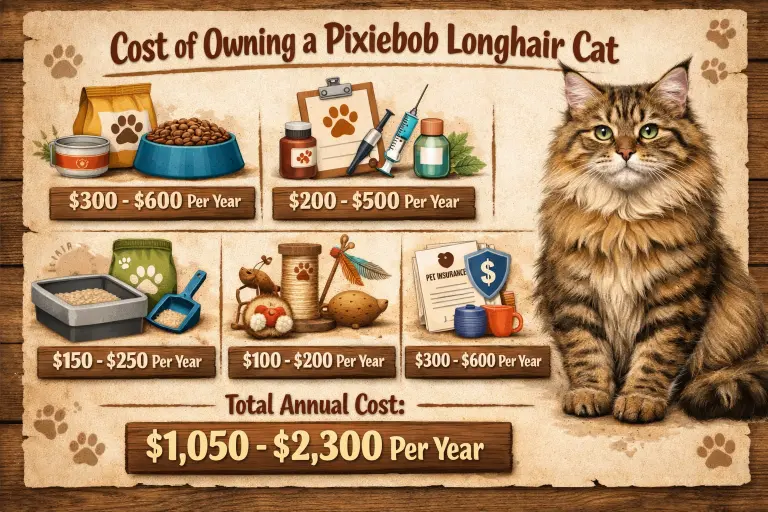
Owning a Pixiebob Longhair can be an exciting and rewarding experience. These cats are known for their friendly, dog-like personalities and luxurious long coats. However, before you bring one home, it is important to understand the full costs of ownership. Many new cat owners focus only on the adoption fee or the price of food, but the reality is that long-term ownership involves ongoing expenses, emergencies, and lifestyle choices that affect your budget.
The Pixiebob Longhair is a unique breed that requires some special attention. Their long fur means more grooming, which can add to regular costs. Preventive care, such as vaccinations and parasite control, is essential to keep them healthy and avoid costly veterinary emergencies. Even seemingly small items like scratching posts, litter boxes, and toys can add up over time, especially if you want to provide a comfortable and enriched environment for your cat.
Budgeting for a Pixiebob Longhair also includes understanding differences between indoor and outdoor cats. Indoor cats tend to have lower veterinary risks and fewer injuries, but they still require high-quality food, litter, and enrichment. Outdoor cats may face more accidents and illnesses, which can quickly increase unexpected costs. Multi-cat households further multiply ongoing costs, but sometimes shared items, like litter boxes and toys, can slightly offset expenses.
This guide is designed to help you make an informed decision. It breaks down all major costs into one-time expenses, monthly and annual costs, unexpected emergencies, and lifetime ownership estimates. By the end, you will have a clear picture of what it truly takes to responsibly care for a Pixiebob Longhair, so you can plan your finances and ensure your cat has the best possible life.
One-Time & Initial Costs
Bringing a Pixiebob Longhair into your home requires some upfront investment. These costs are often the first thing potential owners notice, but many underestimate how much is truly needed. Understanding these expenses will help you start off prepared, avoiding financial stress in the first months.
One of the first expenses is the adoption or purchase cost. Prices for Pixiebob Longhairs vary depending on whether you adopt from a rescue, buy from a breeder, or import a pedigree cat. Rescue or adoption fees are generally lower, ranging from $150 to $600, while breeders typically charge between $800 and $2,500, sometimes more for rare lines or certified show-quality cats. This initial fee often covers basic vaccinations and microchipping, but you should confirm exactly what is included.
Spay or neuter surgery is another essential one-time cost if it has not already been done. This surgery ensures your cat cannot reproduce and helps prevent certain health issues and behavioral problems. Prices for spaying or neutering typically range from $100 to $500 depending on the clinic, age, and size of the cat. Microchipping, another recommended step for lost pets, costs around $40 to $70. Initial vaccinations and a wellness exam usually cost $100–$200 for kittens or new adult cats.
Home preparation and essential supplies are often overlooked. A new Pixiebob Longhair will need at least one litter box (more if you have multiple cats), scratching posts, bedding, food and water bowls, and a safe space to explore. Additionally, longhaired cats require grooming tools such as brushes, combs, and nail trimmers. Prices for these supplies can add up to $150–$400 initially, depending on quality and quantity. Investing in good-quality items early can reduce replacement costs later.
Here is a table summarizing typical one-time initial costs:
| Item | Estimated Cost Range | Notes |
|---|---|---|
| Adoption / Purchase | $150 – $2,500 | Rescue is cheaper, breeders cost more |
| Spay / Neuter | $100 – $500 | One-time medical procedure |
| Microchip | $40 – $70 | Permanent ID for lost pets |
| Vaccinations & Wellness Exam | $100 – $200 | Initial health check and shots |
| Essential Supplies | $150 – $400 | Litter box, scratching post, bedding, bowls |
| Grooming Setup | $50 – $150 | Brushes, combs, nail trimmers |
By planning for these costs upfront, you ensure that your Pixiebob Longhair starts life in your home safely and comfortably. Being prepared also sets the stage for managing monthly and annual expenses effectively.
Ongoing Monthly & Annual Expenses
After the initial setup, ongoing costs become the main part of owning a Pixiebob Longhair. These expenses are predictable but vary depending on your cat’s age, lifestyle, and health needs. Being aware of these costs helps you budget effectively and avoid surprises.
Food and treats are a major monthly expense. Longhair cats like the Pixiebob require high-quality protein-rich food to maintain their coat and health. Kibble typically costs $20–$60 per month, while wet food can add another $30–$80, depending on brand and quantity. Treats and occasional dietary supplements may add an extra $10–$20 per month.
Litter is another recurring cost. Cats need clean litter daily, and high-quality litter can range from $15–$40 per month for a single cat. Multi-cat households may spend double or triple this amount. You also need cleaning supplies like scoops, liners, or mats to maintain hygiene.
Routine veterinary care is important to prevent illness and catch problems early. Annual wellness exams, vaccinations, and preventive treatments for parasites typically cost $200–$500 per year. Preventive dental care may add an additional $50–$150 annually. Indoor cats often have fewer risks than outdoor cats, but regular check-ups are still recommended.
Grooming maintenance is particularly important for longhaired Pixiebobs. Brushing several times a week helps prevent mats and hairballs, reducing the need for professional grooming. Some owners choose to schedule professional grooming every 4–6 months, which can cost $50–$100 per session. Toys, scratching posts, and climbing structures should also be replenished occasionally to maintain enrichment.
Here is a table summarizing typical monthly and annual costs:
| Item | Monthly Cost | Annual Cost | Notes |
|---|---|---|---|
| Food & Treats | $50 – $140 | $600 – $1,680 | Quality diet is important for coat health |
| Litter & Cleaning | $15 – $40 | $180 – $480 | Depends on number of cats and litter type |
| Preventive Vet Care | $0 – $50 | $200 – $500 | Flea, tick, worm preventives, annual exam |
| Grooming & Maintenance | $0 – $25 | $50 – $200 | Professional grooming optional |
| Toys & Enrichment | $5 – $20 | $60 – $240 | Rotation helps prevent boredom |
Proper budgeting for these ongoing expenses ensures that your Pixiebob Longhair stays healthy and happy throughout their life. Small adjustments, such as buying supplies in bulk or scheduling preventive care efficiently, can help keep costs manageable.
Unexpected & Emergency Costs
Even with careful planning, owning a Pixiebob Longhair may involve unexpected costs. Emergencies can happen at any time, and it’s important to be financially prepared for health issues, injuries, or sudden needs.
Veterinary emergencies are the most unpredictable expenses. Common issues include gastrointestinal upset, urinary blockages, infections, and accidental injuries. Emergency veterinary visits often cost $500–$2,000, depending on severity, treatments, and hospital charges. Serious conditions like surgery or hospitalization can reach $3,000–$5,000. Many cat owners keep an emergency fund to cover these situations.
Behavioral or dietary issues can also add costs. Some Pixiebobs may develop food sensitivities or stress-related behaviors that require specialized diets, supplements, or consultations with a behaviorist. These expenses may range from $50–$300 annually but can spike higher if professional interventions are needed.
Grooming emergencies, while less severe, can also impact your budget. Matted fur in longhaired cats sometimes requires professional de-matting, which can cost $100–$250 per session. Neglecting grooming can lead to skin infections or more expensive veterinary visits.
End-of-life considerations, while difficult to discuss, are another potential expense. Veterinary euthanasia, cremation, or burial services can cost $100–$1,000 depending on choices and services selected. While this is not a monthly cost, planning ahead can prevent financial stress during emotional times.
Here is a table summarizing unexpected costs:
| Type of Expense | Possible Cost Range | Notes |
|---|---|---|
| Emergency Vet Visit | $500 – $2,000 | Accidents or sudden illness |
| Surgery / Hospitalization | $1,000 – $5,000 | Severe conditions or injuries |
| Behavioral / Dietary Interventions | $50 – $300+ | Specialized diets or consultations |
| Grooming Emergencies | $100 – $250 | De-matting or professional grooming |
| End-of-Life Planning | $100 – $1,000 | Euthanasia, cremation, or burial |
Being aware of these possible costs and setting aside funds for emergencies is an essential part of responsible Pixiebob Longhair ownership. This preparation ensures that financial worries do not prevent you from giving your cat the care they need.
Lifetime Cost Summary & Budgeting Guidance
Understanding the lifetime cost of a Pixiebob Longhair helps you plan realistically for the future. With an average lifespan of 12–16 years, even moderate monthly expenses accumulate significantly over time. Combining one-time, ongoing, and emergency costs provides a clearer picture of total ownership.
Lifetime cost estimates vary based on lifestyle choices. For a single indoor cat with moderate veterinary care, the total lifetime cost may range from $10,000 to $20,000. Cats with frequent professional grooming, higher-quality food, or multiple emergency visits can reach $25,000–$35,000. Outdoor cats or multi-cat households may exceed these ranges. These estimates include adoption, supplies, food, litter, preventive care, emergencies, and grooming.
Indoor vs outdoor cats experience different costs. Indoor cats usually have lower veterinary risks and fewer injuries, which reduces emergency expenses. Outdoor cats may require additional vaccinations, parasite control, and treatments for injuries, which increases both annual and lifetime costs. Multi-cat households benefit from some shared resources but generally increase food, litter, and preventive care expenses proportionally.
Practical ways to manage costs include buying high-quality supplies in bulk, scheduling preventive veterinary visits efficiently, and maintaining a regular grooming routine to prevent costly emergencies. Budgeting a monthly emergency fund of $50–$100 can provide a safety net for unexpected vet bills. Planning ahead for end-of-life costs can also reduce stress during emotional times.
Here is a table summarizing lifetime cost estimates:
| Expense Category | Low Estimate | Average Estimate | High Estimate | Notes |
|---|---|---|---|---|
| One-Time Costs | $550 | $1,200 | $2,500 | Adoption, initial supplies, spay/neuter |
| Monthly/Annual Ongoing Costs | $6,500 | $10,000 | $15,000 | Food, litter, preventive care, grooming |
| Unexpected / Emergency | $3,000 | $5,000 | $8,000 | Vet emergencies, behavioral/dietary issues |
| Total Lifetime Estimate | $10,050 | $16,200 | $25,500 | Approximate range for a 12–16 year lifespan |
By reviewing these estimates, potential owners can make informed decisions about whether they can responsibly afford a Pixiebob Longhair. Planning carefully, budgeting for emergencies, and understanding long-term costs ensures that your cat will have a healthy and happy life without financial stress For more detailed information on caring for a Pixiebob Longhair, you can visit the International Cat Association.

Ata Ur Rehman is the founder of Pet Age in Human Years Calculator, an educational platform that provides age conversion charts and lifespan guides for dogs, cats, birds, and other companion animals. His work focuses on helping pet owners understand how animal ages translate into human years using commonly accepted age conversion formulas and published lifespan averages.
The website compiles breed and species lifespan data from kennel clubs, breed organizations, and general animal lifespan studies to present simple and easy-to-understand guides for pet owners worldwide.
This website was created to centralize animal age conversion charts into one easy reference platform for pet owners.