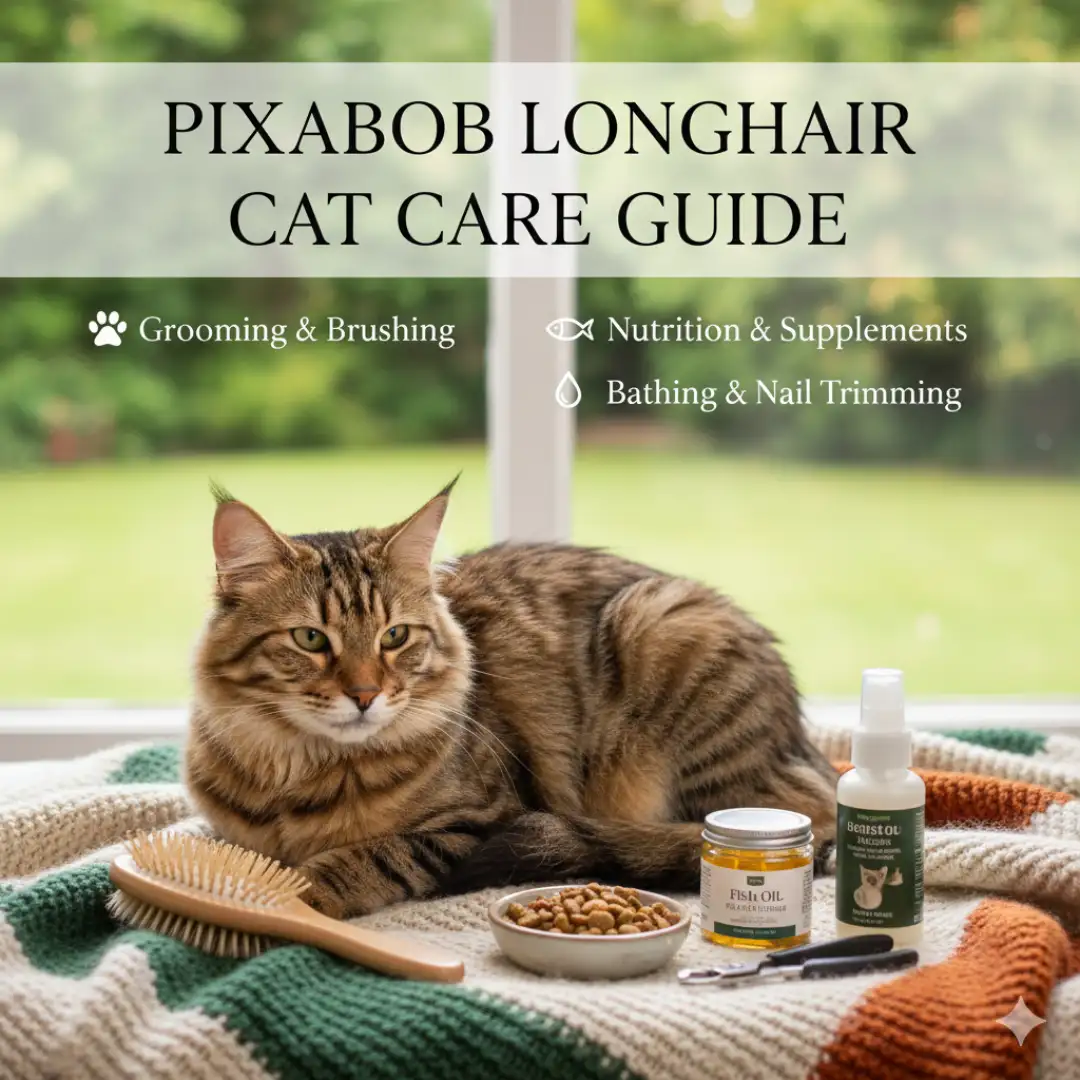
The Pixiebob Longhair is a unique and lovely type of domestic cat with a soft, dense coat that often looks wild or rugged. Many people fall in love with Pixiebobs because they look like little bobcats, but underneath their beautiful fur is a gentle, playful, and social companion. These cats are known for being friendly with families, curious about their world, and active throughout their lives.
Because Pixiebob Longhairs have a longer and thicker coat than shorthaired cats, they need special care to keep their fur healthy and prevent problems like mats, hairballs, and skin irritation. Their coat can trap loose hairs and debris, and if not cared for regularly, this can cause discomfort. Also, regular care routines help with bonding, behavior support, and overall well‑being.
This guide is made for new or experienced owners who want clear, practical advice. It explains how to groom, feed, play with, and monitor the health of a Pixiebob Longhair. Everything here is written so you can take action easily — whether this is your first longhair cat or you already have one.
Taking care of a Pixiebob Longhair’s specific needs will save you time and help your cat stay happy and comfortable. Good care also prevents small issues from turning into bigger problems, like skin infections or stress‑related behaviors.
Grooming & Coat Care Routine
A Pixiebob Longhair’s coat is one of its most beautiful features, but it also needs regular attention. Grooming your cat keeps the fur soft, prevents tangles, and reduces the amount of hair your cat swallows when it cleans itself. This section breaks down what you should do and how often.
Longhair cats naturally shed their fur, especially during seasonal changes in spring and fall. Unlike shorthaired cats that can sometimes manage shedding on their own, longhaired cats need brushing. Pixiebob Longhairs should be brushed at least 4–5 times per week to remove loose hair and prevent mats. Daily brushing during heavy shedding periods helps even more.
For brushing, you want to use the right tools. A soft bristle brush or slicker brush helps remove loose hair without pulling the coat. For areas where the fur gets thicker, like the chest and belly, a wide‑tooth comb works well to gently tease out small tangles. Always brush slowly and speak to your cat in a calm voice, so grooming feels like a positive time together.
Many owners wonder about bathing. Pixiebob Longhairs do not need frequent baths if they stay indoors and are generally healthy. A bath every few months or only when the fur is dirty is enough. Use a shampoo made for cats and make sure water is warm but not hot. Keep baths short and always dry your cat thoroughly, especially in thick fur, to prevent chills or skin irritation.
Lastly, grooming isn’t just about the coat. You should also clean your cat’s ears and trim nails regularly. Longhair coats can trap more debris, and ears may need checking for wax or dirt. A simple ear cleaning solution designed for cats and gentle wipes can help. Nail trimming every 2–3 weeks keeps claws short and helps prevent accidental scratches to skin or furniture.
Grooming Tools & Supplies Table
| Tool or Supply | Why You Need It | How to Use It |
|---|---|---|
| Soft bristle brush | Removes loose hair gently | Brush along fur direction, slow strokes |
| Slicker brush | Works on thicker fur and tangles | Light pressure to avoid skin irritation |
| Wide‑tooth comb | Helps remove small mats | Use after brushing to find hidden tangles |
| Cat‑safe shampoo | Keeps skin and coat clean | Bathe only when needed, not weekly |
| Nail clippers for cats | Keeps claws trimmed | Trim tips every 2–3 weeks |
| Ear cleaner for cats | Maintains ear hygiene | Apply with cotton ball, not deep inside |
| Treats or clicker (optional) | Helps make grooming positive | Reward calm behavior |
Daily Care & Enrichment Needs
Daily care for a Pixiebob Longhair includes more than just brushing. These cats are intelligent and active, and they need physical and mental engagement to stay happy. This section explains what to do each day to keep your cat healthy and content.
Feeding and Hydration
Good food and fresh water are the foundation of your cat’s health. Pixiebob Longhairs should eat high‑quality cat food that matches their age, weight, and activity level. Kittens need food made for growth, adults need balanced nutrition, and older cats may need special formulas for joints or weight control.
Offer fresh water every day, and check it several times. Some cats prefer running water, so a cat drinking fountain can encourage better hydration.
Portion sizes depend on food calorie levels and your cat’s weight. A good rule of thumb is to follow the feeding instructions on your cat food bag and adjust based on your cat’s body condition. Your veterinarian can help you fine‑tune portions if needed.
Litter Box Habits
Clean the litter box daily. Pixiebob Longhairs prefer clean litter and may refuse to use a dirty box. Scoop waste daily and change litter weekly. If you have multiple cats, provide one litter box per cat plus one extra.
Regular litter box checks help you spot health problems early. Frequent urination, bloody urine, or straining can be warning signs that need a vet visit.
Play and Enrichment
Pixiebob Longhairs are playful and curious. Daily play sessions help them use energy, reduce boredom, and prevent unwanted behaviors like chewing or scratching furniture.
Offer a variety of toys: wand toys for chasing, puzzle feeders for mental challenges, and soft toys for solo play. Rotate toys every week to keep interest high.
Climbing structures, like cat trees or shelves, let your cat jump and explore vertically. Many longhair cats enjoy high places where they can watch the room below.
Behavior and Bonding
Spend quiet time with your cat every day. This can mean petting, gentle brushing, or just sitting nearby while you read or watch TV. Pixiebob Longhairs are social and often enjoy close contact with their humans.
If your cat seems shy or nervous around new people or loud noises, give them space and use gentle encouragement. A calm voice and slow movements help build trust.
Health Essentials Every Longhair Owner Should Know
Keeping your Pixiebob Longhair healthy means noticing changes early and understanding common issues. Even with great grooming and daily care, cats can develop health problems that need attention.
Hairballs and Digestion
Hairballs happen when cats swallow loose hair while grooming. This is very common in longhaired cats. Regular brushing cuts down on hair swallowed, which reduces hairballs. You can also talk to your vet about hairball‑control food or treats.
Signs of a hairball problem include frequent retching without producing anything, loss of appetite, or constipation. If these signs last more than a day, contact your vet.
Skin and Coat Problems
Even with brushing, skin issues can appear. Look for redness, flaking, sores, or patches of missing fur. These may be caused by parasites, allergies, dry skin, or infections. Clean grooming areas regularly, but if redness continues, see your vet.
Checking your cat’s skin while brushing helps you catch issues early. Part the fur and look for bumps, tiny insects, or irritated areas.
Dental Care
Dental health affects overall wellness. Cats can develop tartar, gum disease, and bad breath if teeth are not cared for. Daily brushing with a cat‑safe toothpaste is ideal, but if that’s hard, offer dental treats or toys that help clean teeth.
Your vet may recommend professional dental cleanings. Warning signs include drooling, pawing at the mouth, or avoiding dry food.
Common Health Conditions in Pixiebobs
Pixiebobs are generally healthy cats, but like all breeds, they can be prone to certain issues. These may include joint discomfort as they age, weight gain if they are less active, or urinary problems.
To stay ahead, schedule regular veterinary checkups, and watch for behavior changes that could indicate pain or discomfort. Early detection makes treatment easier and more effective.
Health Monitoring Checklist
| What to Watch For | Why It Matters | What to Do |
|---|---|---|
| Changes in appetite | May signal illness | Track food intake and contact vet if appetite drops |
| Lethargy or unusual sleep patterns | Could be illness or pain | Note changes and share with vet |
| Frequent hairballs | Sign of excess fur ingestion | Increase brushing, discuss hairball control |
| Skin redness or flakes | Could be parasites or allergy | Check with vet if persistent |
| Dental issues | Painful and can affect eating | Start brushing and seek vet advice |
| Urinary or litter box changes | Possible urinary tract issue | Immediate vet attention |
Quick Reference Tables & Care Summary
This section gives you clear, easy‑to‑use tables summarizing the most important routines. These tables help you know what to do each day, week, and month without reading long instructions.
Grooming Schedule Table
| Task | Frequency | Notes |
|---|---|---|
| Brush fur | 4–6 times per week | Daily during heavy shedding |
| Check ears | Once per week | Clean if dirty |
| Trim nails | Every 2–3 weeks | Use cat nail clippers |
| Full bathing | Every 2–3 months | Only if cat gets dirty |
| Dental brushing | Daily or weekly | Better results with consistency |
Feeding & Portion Guidelines Table
| Life Stage | Daily Cups (Approx.) | Notes |
|---|---|---|
| Kitten (2–6 months) | ⅓–½ cup | Add high protein kitten food |
| Junior (6–12 months) | ¼–⅓ cup | Frequent small meals |
| Adult (1–7 years) | ¼–⅓ cup | Adjust based on weight |
| Senior (7+ years) | ¼–⅓ cup | Consider senior formula |
Portion sizes vary based on food brand and activity. Always check package instructions and ask your vet for personalized amounts.
Common Mistakes Owners Make
| Mistake | Why It’s a Problem | Better Approach |
|---|---|---|
| Not brushing often | Hairballs, mats | Brush regularly and make it fun |
| Skipping vet checkups | Missed early signs | Schedule annual visits |
| Ignoring behavior changes | Could signal illness | Observe daily and record changes |
| Overfeeding | Weight gain | Measure food each day |
Final Notes
Taking care of a Pixiebob Longhair cat means more than just loving their looks. It means learning what their coat, body, and behaviors need to stay healthy. Regular grooming, daily engagement, proper feeding, and paying attention to changes all help your cat live a long, happy life.If you’d like to learn more about longhair cat coats or grooming tools, a good resource is the Cat Care Guide at the Cornell Feline Health Center: https://www.vet.cornell.edu/departments-centers-and-institutes/cornell-feline-health-center

Ata Ur Rehman is the founder of Pet Age in Human Years Calculator, an educational platform that provides age conversion charts and lifespan guides for dogs, cats, birds, and other companion animals. His work focuses on helping pet owners understand how animal ages translate into human years using commonly accepted age conversion formulas and published lifespan averages.
The website compiles breed and species lifespan data from kennel clubs, breed organizations, and general animal lifespan studies to present simple and easy-to-understand guides for pet owners worldwide.
This website was created to centralize animal age conversion charts into one easy reference platform for pet owners.