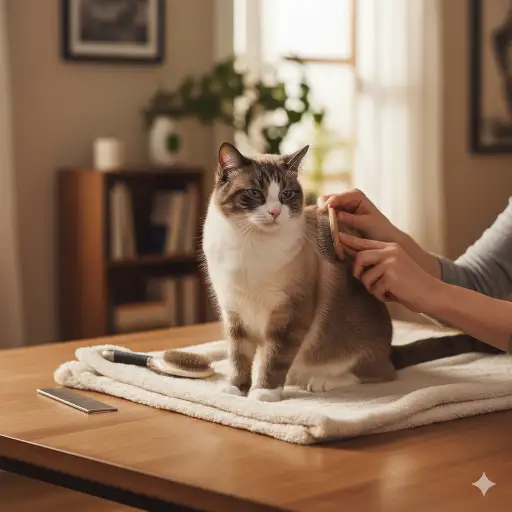
Grooming your Snowshoe cat is not just about keeping them looking clean and neat. Regular grooming helps maintain a healthy coat, reduces shedding, and prevents hairballs, which can be uncomfortable or even dangerous for your cat. Snowshoe cats have medium-short coats, which are soft and dense, making them prone to tangles if not brushed regularly. Taking time to groom also gives you the chance to check your cat for any skin issues, bumps, or parasites early, which can save you trips to the vet later.
Grooming is also a bonding activity. Many Snowshoe cats enjoy gentle brushing and attention when done correctly. It can help calm a nervous cat and strengthen the trust between you and your pet. A well-groomed Snowshoe is generally more comfortable and less likely to develop stress-related behaviors, such as over-grooming or scratching furniture excessively.
Even though Snowshoes have shorter coats compared to long-haired breeds, they still shed, particularly during seasonal changes. Without proper grooming, loose hair can accumulate around your home and lead to hairballs when your cat grooms themselves. Regular brushing removes loose hair before it is swallowed, keeping your cat healthier and your home cleaner.
Finally, grooming can alert you to health problems you might otherwise miss. Regular handling allows you to notice early signs of illness, like lumps, skin rashes, or ear infections. By making grooming a part of your routine, you help your Snowshoe live a longer, healthier, and more comfortable life.
Grooming Needs by Age & Coat Type
| Age Group | Coat Type | Grooming Focus |
|---|---|---|
| Kitten | Soft, short | Gentle brushing, introduce nails and ears |
| Adult | Medium-short | Regular brushing, nail trimming, check ears and eyes |
| Senior | Medium-short | Sensitive skin brushing, gentle handling, monitor nails and teeth |
Brushing, Shedding & Coat Care
Brushing your Snowshoe is one of the most important parts of grooming. It removes loose fur, prevents tangles, and keeps your cat’s coat shiny and smooth. The best tools for Snowshoes include a slicker brush for loose fur and a fine-toothed comb for removing small tangles. You should always start brushing in the direction of the hair growth, beginning at the head, moving down the back, and finishing with the legs and tail.
Snowshoe cats shed seasonally, usually in spring and fall. During these periods, you may notice more hair around your home. Brushing daily during shedding season can reduce hairballs and make your cat more comfortable. For regular months, brushing 2-3 times a week is usually enough for most Snowshoes.
If your Snowshoe develops small mats, do not pull or cut them with scissors. Use a comb to gently work through tangles starting from the edges. If a mat is too tight or close to the skin, it is safer to ask a professional groomer for help. Mats left unattended can cause skin irritation or even infections.
Brushing is also a great time to check your cat’s skin. Look for redness, bumps, or signs of parasites. Snowshoes have sensitive skin, so always use gentle strokes and watch for signs of stress, like ears flattening, tail flicking, or growling. If your cat shows these signs, pause and try again later.
Brushing Frequency Guide
| Coat Condition | Frequency |
|---|---|
| Light shedding | 2-3 times per week |
| Heavy shedding/seasonal | Daily |
| Mats developing | Daily targeted brushing |
| Sensitive or older cats | Gentle brushing 3-4 times per week |
Nails, Ears & Eyes: Basics Every Owner Should Know
Trimming your Snowshoe’s nails is an important part of grooming and helps prevent injuries to both your cat and household members. Use a pair of cat nail clippers, either scissor or guillotine type. Look carefully at the nail to identify the quick, which is the pink part inside the nail. Cutting too close to the quick can cause pain and bleeding, so only trim the tip. Most Snowshoes need nail trims every 2-4 weeks, but kittens may need them more often as they grow.
Cleaning your cat’s ears helps prevent wax buildup and ear infections. Use a soft cloth or cotton ball dampened with a vet-approved ear cleaner. Never insert anything deep into the ear canal. Look for redness, odor, or excess wax, which can be signs of an infection. Check the ears once a week or as recommended by your vet.
Eye care is usually simple. Some Snowshoes may have tear staining or slight discharge. Wipe away any debris with a damp, soft cloth. Avoid using harsh chemicals, and if discharge is yellow, green, or comes with swelling, see a vet.
Behavior cues are important during nail, ear, and eye care. If your cat tenses, hisses, or swats, stop and try again later. Using positive reinforcement, like treats or gentle petting, can help your cat become more comfortable over time.
Safe Grooming Checklist
| Task | How Often | Key Tips |
|---|---|---|
| Nail trim | Every 2-4 weeks | Trim only tips, avoid quick |
| Ear cleaning | Weekly | Use soft cloth, vet-approved solution |
| Eye wipe | As needed | Gentle, damp cloth, monitor for discharge |
| Coat check | Weekly | Look for mats, bumps, or parasites |
Bathing & Stress-Aware Handling
Most Snowshoe cats do not need regular baths. Their coats are naturally clean, and over-bathing can dry out their skin. However, occasional bathing may be necessary if your cat gets into something sticky or dirty. Use a mild cat shampoo and lukewarm water. Always rinse thoroughly to remove all soap residue.
Before bathing, brush your cat to remove loose hair and tangles. Place a non-slip mat in the sink or tub to prevent slipping. Keep water at a shallow level, only enough to wet the coat, and avoid the head if your cat dislikes it. Use a cup or handheld sprayer to gently wet the body, then lather shampoo slowly.
Drying is just as important as bathing. Pat the cat dry with a soft towel and avoid vigorous rubbing, which can stress the cat and tangle the fur. If your Snowshoe tolerates it, a low-heat hair dryer on the lowest setting can help, but keep it moving and maintain a safe distance.
Stress signals during grooming include flattened ears, swishing tail, hissing, or trying to escape. If you notice these, stop and give your cat a break. Gradual desensitization, short grooming sessions, and positive reinforcement like treats or praise can help nervous cats become more comfortable with bathing and handling.
Do / Don’t Grooming Signals
| Signal | Meaning | Action |
|---|---|---|
| Flattened ears | Stress or fear | Pause grooming, calm cat |
| Tail flicking | Annoyance or tension | Slow down, use gentle strokes |
| Hissing or growling | Distress | Stop immediately |
| Relaxed posture, purring | Comfortable | Continue gentle grooming |
| Attempting to escape | Anxiety | Try shorter sessions |
Grooming Frequency & When to Seek Help
A proper grooming routine keeps your Snowshoe comfortable and healthy. Brushing should be done 2-3 times a week, or daily during shedding season. Nail trims every 2-4 weeks help prevent injuries. Ear cleaning and eye checks should be weekly or as needed. Bathing is occasional, only when the cat gets dirty or sticky.
Kittens need gentle introduction to grooming. Start with a few minutes of brushing and short nail inspections. Use treats and calm praise to make it a positive experience. Adult Snowshoes usually tolerate routine grooming well if introduced correctly. Senior cats may need slower, gentler grooming due to joint stiffness or sensitive skin.
Watch for red flags that indicate professional help is needed. Severe mats that cannot be brushed out, bleeding during nail trimming, unusual skin lesions, persistent eye or ear discharge, or behavioral aggression beyond normal resistance may require a professional groomer or veterinarian.
Creating a weekly grooming checklist can make this easier. For example, brushing on Mondays and Thursdays, nails on Saturdays, ears and eyes checked on Wednesdays, and baths only when needed. This makes grooming predictable and reduces stress for both you and your cat.
Grooming Routine Summary Table
| Task | Frequency | Notes |
|---|---|---|
| Brushing | 2-3 times/week | Daily during shedding season |
| Nail trim | Every 2-4 weeks | Avoid quick, use proper clippers |
| Ear cleaning | Weekly | Watch for wax or odor |
| Eye check | Weekly or as needed | Gentle wipe if needed |
| Bathing | Occasionally | Only when dirty, mild shampoo |
By following these simple routines, your Snowshoe cat will have a healthy, shiny coat, strong nails, clean ears and eyes, and a more relaxed attitude toward grooming. Grooming is not just a chore but a bonding time that keeps your cat happy and comfortable throughout their life.
For more tips on caring for your Snowshoe cat, you can visit The Cat Fanciers’ Association for breed-specific guidance and grooming advice.

Ata Ur Rehman is the founder of Pet Age in Human Years Calculator, an educational platform that provides age conversion charts and lifespan guides for dogs, cats, birds, and other companion animals. His work focuses on helping pet owners understand how animal ages translate into human years using commonly accepted age conversion formulas and published lifespan averages.
The website compiles breed and species lifespan data from kennel clubs, breed organizations, and general animal lifespan studies to present simple and easy-to-understand guides for pet owners worldwide.
This website was created to centralize animal age conversion charts into one easy reference platform for pet owners.