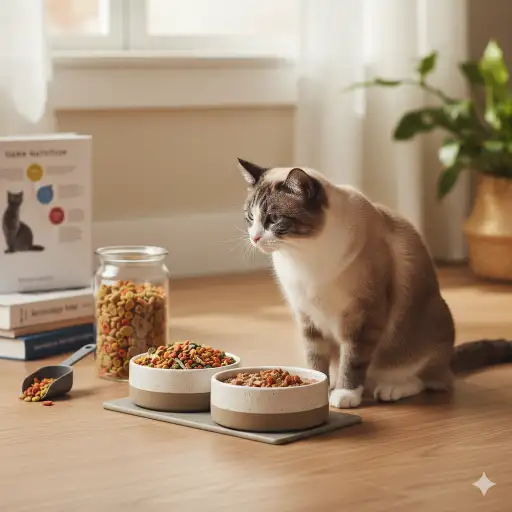
Snowshoe cats are beautiful, smart, and friendly pets. Like all cats, they are obligate carnivores, which means their bodies need meat to stay healthy. Unlike dogs or people, cats cannot make some essential nutrients on their own. These nutrients must come from animal‑based foods. Snowshoes tend to be active and muscular, so feeding them a diet that supports strong muscles and steady energy is very important.
At the center of a Snowshoe cat’s diet is high‑quality protein. Protein is made up of small building blocks called amino acids. Some of these amino acids, like taurine and arginine, are essential for cats. Without enough of them, cats can develop eye, heart, and immune problems. Snowshoe cats, like other breeds, also rely on protein for energy when they are active or playing.
Another key part of a Snowshoe’s diet is healthy fats. Fats help cats absorb certain vitamins and provide energy. Cats do not store energy from carbohydrates as well as humans do. Because of this, fats are often a more efficient energy source for them. Fats also help keep a cat’s skin healthy and coat shiny. Healthy fats come from meat and fish oils, not from added oils in plant foods.
Carbohydrates are found in many commercial cat foods, but cats do not need a high amount of them. Their bodies are designed to digest proteins and fats better than carbs. Too many carbohydrates can lead to weight gain or digestive upset. Snowshoe owners should look for foods that keep carbohydrates low and protein high. The best foods list meat or fish as the first ingredient, not grains or fillers.
Here is a simple comparison of nutrient focus for your Snowshoe:
| Nutrient Type | Why It Matters | Good Sources |
|---|---|---|
| Protein | Builds muscle, supports immune system, provides energy | Chicken, turkey, fish, beef |
| Taurine & Essential Amino Acids | Supports heart and eye health | Meat, fish, organ meat |
| Healthy Fats | Provides energy, supports skin & coat | Fish oil, chicken fat |
| Carbohydrates | Energy source, but not critical | Rice, peas (in small amounts) |
Understanding these basics helps you choose foods that fit your Snowshoe’s needs. The best diets focus on real animal protein, balanced fats, and limited carbohydrates. This gives your cat the nutrients it needs for a long and healthy life.
Choosing the Right Food: Wet, Dry & Mixed Feeding Explained
When you are picking food for your Snowshoe cat, you may notice there are wet foods, dry foods, and mixed feeding options. Each type has benefits and drawbacks. The right choice depends on your cat’s needs, your schedule, and hydration goals. The most important thing is that the food is complete and balanced for cats.
Wet food comes in cans or pouches. It has high moisture, which helps keep your Snowshoe hydrated. Many cats do not drink enough water, so wet food can help prevent dehydration and support urinary tract health. Wet food also usually has higher protein and fewer carbohydrates than dry food, which matches what cats naturally eat in the wild.
Dry food is easy to store and feed. It does not spoil quickly and can be left out during the day. Some cat owners prefer dry food for convenience. However, dry food has much less moisture than wet food. If you feed dry food often, make sure your cat always has fresh water. Snowshoe cats may also eat less of dry food if it is low in protein and high in carbs.
Many owners choose mixed feeding, which means giving both wet and dry food. This can give your Snowshoe the benefits of both types—moisture from wet food and convenience from dry food. Mixed feeding also lets you vary flavors and textures, which can keep your cat interested in eating. Just be careful to balance total calories so your cat does not gain weight.
The table below shows the key differences:
| Food Type | Moisture | Protein Level | Carbohydrates | Best For |
|---|---|---|---|---|
| Wet Food | High | Usually High | Usually Low | Hydration, urinary health |
| Dry Food | Low | Varies | Often Higher | Convenience, free‑feeding |
| Mixed Feeding | Medium | Balanced | Balanced | Best of both |
When selecting a specific brand or formula, always read the ingredient list. Look for real meat or fish as the first ingredient. Avoid foods with lots of fillers, artificial flavors, or unnamed meat by‑products. High‑quality foods are not always the most expensive, but they do show clear nutrition labeling and meet standards set by authorities like AAFCO (Association of American Feed Control Officials).
Daily Feeding: How Much & When to Feed Snowshoe Cats
Feeding your Snowshoe cat the right amount is just as important as choosing the right food. Too much food can lead to weight gain and obesity, while too little may cause nutrient deficiencies and low energy. Feeding amounts depend on your cat’s age, weight, activity level, and overall health.
Kittens grow very quickly. They need food rich in protein, fat, and calories to build muscle and support development. Most kittens eat three to four small meals per day. As they grow, their stomachs get bigger and they begin to eat less often. An average Snowshoe kitten may eat more calories per pound of body weight than an adult cat because they are growing fast and have high energy needs.
Adult Snowshoe cats usually do well with two meals per day—morning and evening. Measuring food with a scoop helps ensure your cat does not overeat. Most commercial foods list how many calories are in a cup or can. From that, you can follow a feeding guide that matches your cat’s ideal weight. Remember that this is just a starting point. Watch your cat’s body condition and adjust up or down if needed.
Senior cats might be less active than adults, so they need fewer calories. But some seniors have trouble keeping weight on or have dental issues that make chewing dry food hard. In those cases, wet food or softer ready‑to‑feed meals can be helpful. Always talk to your veterinarian if your senior cat has special health needs.
Here is a general guide for feeding amounts. These numbers are approximate. Your cat’s needs may differ.
| Cat Age | Daily Feeding Notes |
|---|---|
| Kitten (up to 12 months) | 3–4 small meals, higher calories per pound |
| Adult (1–7 years) | 2 meals daily, adjust portions by activity |
| Senior (7+ years) | 1–2 meals daily, may need softer food or special formula |
Keep these tips in mind:
- Use a measuring cup or digital scale to be accurate.
- Adjust portions if your cat gains or loses weight.
- Monitor your cat’s body condition score (not just weight).
- Free‑feeding (leaving food out all day) can cause overeating in some cats.
Common Feeding Challenges & Practical Solutions
Feeding a Snowshoe cat can be easy, but owners often face challenges. Knowing common problems and solutions helps keep your cat happy and healthy.
Picky eating is one challenge many owners report. Snowshoes can prefer certain textures or flavors. If your cat refuses a new food, try slowly mixing a small amount of the new food with the old one over 7–10 days. You can also warm wet food slightly to increase smell, which may make it more appealing.
Hydration is another common concern. Cats naturally have a low thirst drive. They evolved to get moisture from prey. If your Snowshoe eats only dry food, it may not drink enough water. Adding wet food, providing a clean water bowl in multiple places, or using a cat fountain with moving water can encourage drinking.
Obesity affects many indoor cats. Indoor Snowshoes may not burn as many calories as outdoor or highly active cats. To avoid obesity, reduce calorie‑dense treats, adjust portions, and consider interactive feeding toys that make your cat work for food. These toys can slow down eating and provide mental stimulation.
Feeding treats and human foods is another area to be careful. Treats should make up no more than 5–10% of daily calories. Some human foods are safe in tiny amounts (like plain cooked chicken), but others are harmful. Never feed onions, garlic, chocolate, grapes, raisins, caffeine, alcohol, or bones that can splinter. Always check with your vet before offering anything outside your cat’s regular food.
The table below shows common mistakes and better solutions:
| Mistake | Better Solution |
|---|---|
| Free‑feeding dry food only | Mix wet food, schedule meals |
| Too many treats | Limit treats to 5–10% of calories |
| Ignoring water intake | Add water bowls, use cat fountain |
| Switching food abruptly | Introduce new food slowly |
FAQs: Snowshoe Cat Feeding & Nutrition Questions Answered
How much should my Snowshoe cat eat per day?
Your cat’s daily food amount depends on age, weight, and activity. Use the feeding guide on your food bag as a starting point, then adjust based on your cat’s body condition. Measure food, and check weight regularly.
Should I feed wet food, dry food, or both?
Both types have benefits. Wet food helps with hydration and usually has more protein. Dry food is convenient and easy to store. Mixed feeding is often a good balanced approach.
Are grain‑free diets good for Snowshoos?
Cats do not need grains, but they also do not need grain‑free diets unless your vet recommends it for a health reason. What matters more is overall protein and fat quality, not whether grains are included.
How do I prevent my Snowshoe from gaining weight?
Measure food portions accurately, reduce high‑calorie treats, and provide regular playtime. Interactive toys and scheduled meals can help prevent overeating.
What treats are safe for my cat?
Commercial cat treats designed for feline diets are best. You can also offer tiny amounts of plain cooked meat. Keep total treats to under 10% of daily calories.
How do I tell if my cat is getting enough water?
Your cat should have fresh water available. Look for signs of hydration like moist gums and normal energy levels. If your cat rarely drinks, adding wet food or a water fountain can help.
Final Feeding Summary & Owner Advice
Feeding your Snowshoe the right diet means focusing on high protein, balanced fats, and proper hydration. Prioritize foods with real meat or fish as the first ingredient. Mix wet and dry food if that fits your cat’s needs. Measure portions and adjust them based on weight and activity level.
Watch for common feeding challenges like picky eating, dehydration, or extra weight. Always introduce new food slowly and monitor your cat’s response. Treats are fun but should be kept small.
If you notice sudden changes in appetite, weight, or behavior, consider talking to your veterinarian. Nutrition matters for every stage of your Snowshoe’s life, from kitten to senior. With the right food and feeding habits, you can help your cat live a happy and healthy life.
For more detailed information on feline nutrition and feeding guidelines from trusted experts, visit the Cat Nutrition section at the Cornell Feline Health Center: https://www.vet.cornell.edu/departments-centers-and-institutes/cornell-feline-health-center

Ata Ur Rehman is the founder of Pet Age in Human Years Calculator, an educational platform that provides age conversion charts and lifespan guides for dogs, cats, birds, and other companion animals. His work focuses on helping pet owners understand how animal ages translate into human years using commonly accepted age conversion formulas and published lifespan averages.
The website compiles breed and species lifespan data from kennel clubs, breed organizations, and general animal lifespan studies to present simple and easy-to-understand guides for pet owners worldwide.
This website was created to centralize animal age conversion charts into one easy reference platform for pet owners.