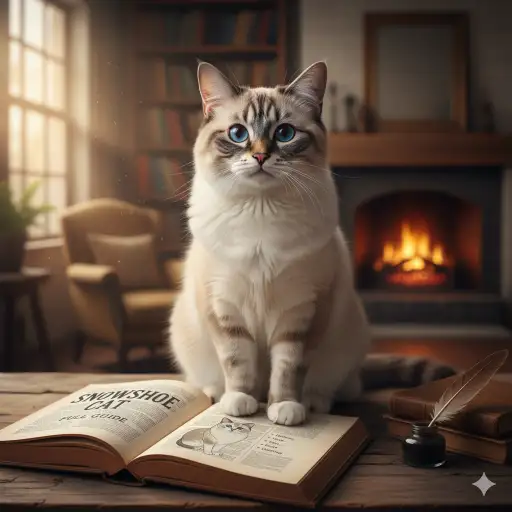
Snowshoe cats are lovely companions known for their striking white “boots,” gentle nature, and friendly attitude. They are social cats that enjoy time with their people, play, and a warm home. This guide helps new and experienced owners understand how to care for a Snowshoe cat well. You will learn simple, clear steps to keep your cat healthy, happy, and comfortable every day.
Snowshoe cats are not just pretty to look at; their care needs are specific in many ways. They have short coats that need regular brushing, bright eyes that can show signs of irritation, and playful personalities that need outlet activities. Understanding what makes Snowshoe cats unique helps you avoid problems before they start.
Many people search online for “Snowshoe cat care guide,” “how to care for a Snowshoe cat,” and “Snowshoe cat health tips,” and that’s exactly what this article is designed to answer. You will get practical tips you can use right now, explained in easy words that anyone can follow—even if this is your first pet.
This guide also highlights what to watch for as your cat grows from a kitten to an adult, and then to a senior. You will learn what daily care looks like, how to spot health warning signs, and what to do when something seems wrong. If you want a trusted resource to help you take great care of your Snowshoe cat, you’re in the right place.
daily and weekly care routine
Taking care of a Snowshoe cat involves tasks you do each day and tasks you do a few times a week. A routine helps your cat feel safe and loved. Below you will find easy, step‑by‑step care instructions that fit into your normal day. The goal is to make care simple, so your cat stays healthy and happy without stress for either of you.
Feeding your Snowshoe cat the right food and at the right times is one of the most important daily tasks. Most adult Snowshoe cats do well with two small meals a day, but kittens may need three to four smaller meals. The food should be high in protein and balanced for cats. Always check the feeding instructions on the food package, or ask your veterinarian for specific advice. Make sure your cat always has access to fresh, clean water. Many cats prefer running water, so a cat fountain can be a good investment.
Keeping the litter box clean is another daily task. Snowshoe cats are sensitive to smells and may refuse to use a dirty box. Scoop waste at least once a day, and change the litter completely once a week. Use a litter your cat likes and avoid strong scented litters, which can be off‑putting for many cats. If you have more than one cat, you should have one litter box per cat plus one extra.
Snowshoe cats are playful and smart. They need daily playtime to stay active and avoid boredom. Try to set aside at least 10–15 minutes, two to three times a day for interactive play. Use toys that move or make noise to keep their attention. Puzzle feeders or treat toys can also help your cat use its brain while eating.
Grooming may not be needed every day, but brushing your Snowshoe cat once or twice a week helps reduce loose hair and keeps the coat shiny. Use a soft brush to avoid irritating the skin. Snowshoe cats do not require as much grooming as long‑haired breeds, but regular brushing helps prevent hairballs.
Here is a simple table to help you remember the tasks you should be doing:
Daily & Weekly Care Checklist
| Task | Frequency | Purpose |
|---|---|---|
| Feed balanced meals | Daily | Maintain energy & healthy weight |
| Provide fresh water | Daily | Hydration and health |
| Scoop litter box | Daily | Clean, comfortable bathroom area |
| Play session | Daily | Exercise & mental stimulation |
| Brush coat | 2–3 times/week | Reduce shedding & hairballs |
| Change litter | Weekly | Hygienic environment |
Keeping track of these tasks will help your Snowshoe cat feel secure and well cared for. A routine also makes it easier for you to notice changes in behavior or appetite, which can signal health issues.
health, warning signs & vet care
Health care for your Snowshoe cat includes regular check‑ups, watching for early warning signs, and knowing when to contact a veterinarian. Cats hide illness well, so small changes in behavior or habits may be the first sign that something is not right. Being aware and proactive can help your cat live a longer, healthier life.
Some common health concerns in cats can also affect Snowshoes. Dental problems are frequent, especially as cats age. You might notice bad breath, yellow teeth, or difficulty eating. Regular brushing of your cat’s teeth can help, but some cats may still need professional dental cleaning by a vet. Weight gain and obesity are also common issues. Obesity can lead to diabetes, joint pain, and heart stress. Be sure to feed measured portions and avoid too many treats.
Eye irritation and tear staining may also appear in some Snowshoe cats due to their facial markings and eye shape. If you see persistent discharge or redness, clean the area gently with a damp cloth. If irritation continues, call your vet. Another concern in many cat breeds is urinary tract issues. If your cat strains to pee, has blood in the urine, or stops using the litter box, seek veterinary attention immediately.
Routine vet visits are essential, not just for shots. Kittens need more frequent check‑ups as they grow and develop. Adult cats should see a vet at least once a year, and senior cats might need visits every six months. During these appointments, your vet can check your cat’s weight, teeth, heart, and overall condition. They can also recommend vaccinations, parasite prevention, and special care as your cat ages.
Health Monitoring Table
| Issue | Watch For | Vet Action |
|---|---|---|
| Weight gain | Belly fat, less play | Diet plan & check‑up |
| Dental disease | Bad breath, tartar | Dental cleaning & exam |
| Eye irritation | Redness, discharge | Ophthalmic exam |
| Urinary issues | Straining, blood | Immediate vet visit |
Watching your cat every day helps you catch problems early. If something feels “off” or unusual, trust your instincts and talk to your vet. Early help often leads to better outcomes.
behavior, training & enrichment
Snowshoe cats are known for being social and playful. They are often friendly with people and enjoy being part of family activities. But like all cats, they need mental stimulation, affection, and clear rules to feel secure and behave well. Understanding your Snowshoe’s behavior helps you build a strong bond and prevent trouble before it starts.
Play and exercise are not just fun — they are essential for your cat’s health. Snowshoes are active cats that enjoy chasing toys, climbing on cat trees, and exploring new things. Try to rotate different kinds of toys to keep things fresh. Wand toys, balls, and feather toys are usually favorites. Interactive play helps your cat burn energy and reduces the chances of unwanted behavior like scratching furniture or excessive meowing.
Training your Snowshoe cat may sound unusual, but cats can learn simple rules and tricks with gentle rewards. Teaching your cat to come when called, use a scratching post, or stay off kitchen counters can improve life for both of you. Use positive reinforcement, like praise or small treats, and keep training sessions short and fun. Never punish your cat physically — punishment can cause fear and damage trust.
Snowshoe cats also have feelings and moods just like people. They may become bored, anxious, or stressed if their environment lacks stimulation or routine. Signs of stress can include hiding more than usual, over‑grooming, or changes in appetite. If you notice these signs, try increasing playtime, offering new toys, or creating safe hiding spots like boxes or cat condos.
One simple tip is to give your cat vertical spaces, such as shelves or cat trees. Cats feel safer when they can observe from high spots. Also, consider puzzle feeders, which make your cat work for food in a playful way. These small changes can add hours of engagement to your cat’s day.
life stages & special situations
Snowshoe cats go through different stages in life, and each stage has special care needs. A kitten’s care is not the same as an adult’s, and a senior cat’s needs change again. Understanding these changes helps you provide the right support at the right time. You will also learn tips for homes with more than one cat, and how to manage indoor‑only cats.
Kittens are full of energy and grow fast. They need frequent meals, gentle socialization, and familiar routines. Kittens should be introduced to grooming tools early, such as brushes and nail clippers, so they learn to accept care without fear. Litter training is another key task for kittens. Most Snowshoe kittens learn quickly, but you may help them by keeping the litter box in the same quiet place and cleaning it often.
Adult Snowshoe cats are usually in their prime from about 1 year to 7 years old. During this time, stick to a balanced diet, provide plenty of play opportunities, and keep up with regular vet visits. Most adult cats enjoy being part of family activities, so include your cat when you relax or watch TV by offering a toy or lap time.
Senior cats may slow down and need a softer bed, easier‑to‑reach food dishes, and special diets for joint health or weight management. As your cat ages, check their teeth more often, because dental problems are more common in older cats. Outdoor access should be supervised or restricted for senior cats to protect them from risks they may not handle as well as younger cats.
Multi‑cat homes offer both joy and challenges. Snowshoe cats usually get along with others if introductions are slow and careful. Give each cat their own spaces to eat, sleep, and use the litter box. Avoid forcing cats to interact — respect their pace. Slow, positive introductions help reduce stress and fighting.
Indoor‑only cats are safe from cars, predators, and many diseases, but they need more enrichment to stay active. Provide climbing spaces, windows with perches, and interactive toys. A window view with birds or squirrels can be a great source of entertainment.
Life Stage Care Comparison
| Life Stage | Key Focus | Special Notes |
|---|---|---|
| Kitten | Socialization, small meals | Early training & play |
| Adult | Exercise, routine care | Balanced diet & play |
| Senior | Comfort & joint support | Frequent vet checks |
Your Snowshoe cat’s needs change over time. Being aware of those changes and adjusting your care will help your cat live a long, happy life.
If you want even more useful tips and tools for cat care, check resources like the American Association of Feline Practitioners at https://catfriendly.com

Ata Ur Rehman is the founder of Pet Age in Human Years Calculator, an educational platform that provides age conversion charts and lifespan guides for dogs, cats, birds, and other companion animals. His work focuses on helping pet owners understand how animal ages translate into human years using commonly accepted age conversion formulas and published lifespan averages.
The website compiles breed and species lifespan data from kennel clubs, breed organizations, and general animal lifespan studies to present simple and easy-to-understand guides for pet owners worldwide.
This website was created to centralize animal age conversion charts into one easy reference platform for pet owners.